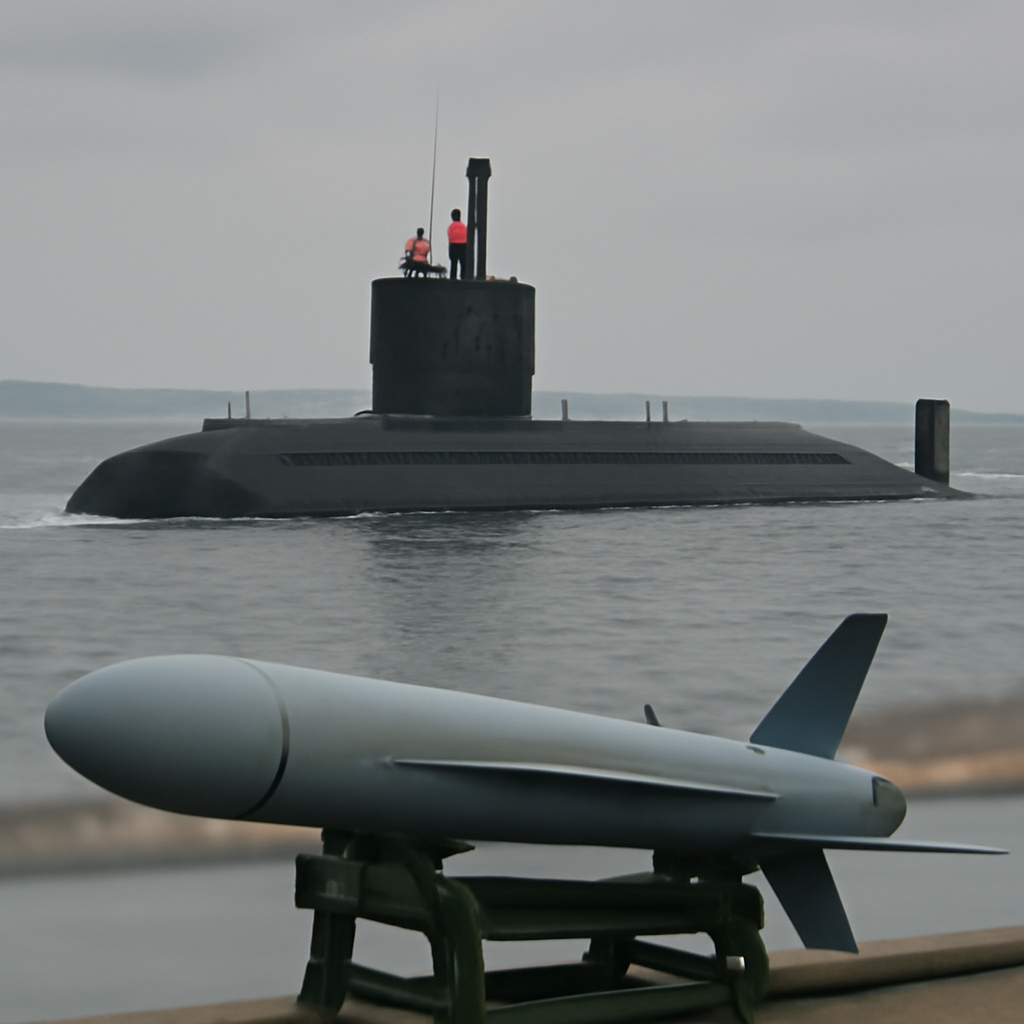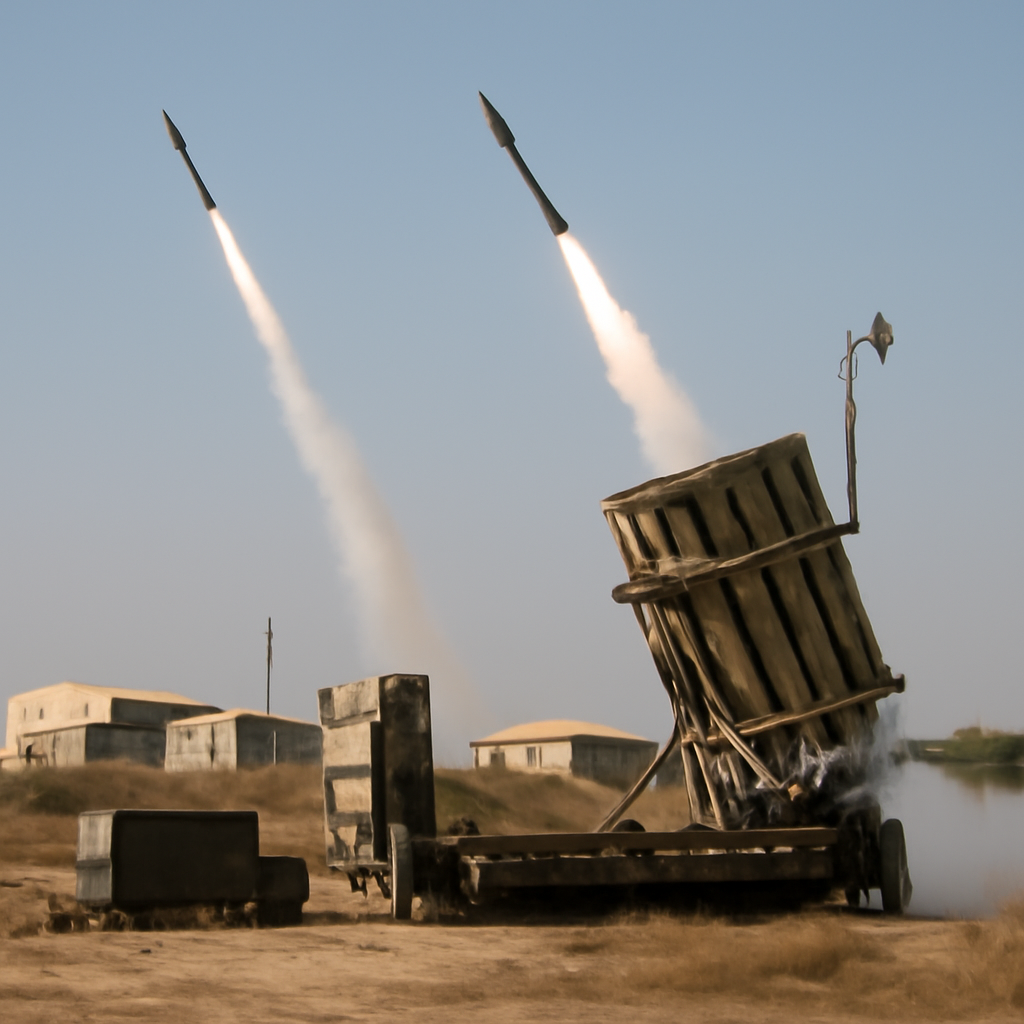
“A short while ago, the IDF identified missiles launched from Iran toward the territory of the State of Israel,” the Israel Defense Forces wrote on Telegram as defensive systems began intercepting inbound threats on June 7, 2026.
Iran acknowledges missile launches and cites motive
Iran openly acknowledged launching ballistic missiles toward Israel, with state media IRIB reporting “additional missiles” and publishing imagery. Iranian officials described the strike as a response to an Israeli attack on Beirut a few hours earlier. The report in The War Zone notes this was the first such strike since the April 8 ceasefire.
The War Zone also reproduced a broader claim — that Iran had previously launched many ballistic-missile attacks on Israel following strikes across Iran beginning Feb. 28 — presented in the context of the developing confrontation.
IDF: interceptors engaged, sirens, and official warnings
The IDF said defensive systems were operating “to intercept the threat” after sirens sounded across multiple areas of Israel. Videos shared on social media and linked in the report showed Israeli interceptors engaging what observers described as Iranian ballistic missiles over northern Israel. The IDF later said it had intercepted several missiles and, in the outlet’s summary, claimed that “all the missiles were intercepted.”
There were no initial reports of injuries or damage. Still, Israeli officials signaled a hard line: a senior Israeli official told Israeli media, “There will be a forceful response,” while the IDF spokesperson characterized the Iranian strike as “a grave mistake,” saying operations against Hezbollah would continue and warning citizens that more attacks could be launched.

This site is the portfolio.
OSINTSights runs on Cloudflare Workers, D1, R2, and Vectorize, with an AI pipeline on Hetzner ARM. Nubivance designed, built, and operates it. We do the same for clients.
See what we buildDahieh strike in Beirut and the Hezbollah connection
Earlier on June 7, Israel struck what it said was a Hezbollah command center in the Dahieh section of Beirut. The IDF said the strike was in response to Hezbollah rocket attacks on northern Israeli communities and described the targeted site as being “used by Hezbollah terrorists to advance terror attacks against Israeli civilians and IDF soldiers operating in southern…”
The War Zone reported no initial accounts of casualties or damage from that Beirut strike in its updated dispatch tying the sequence of events together.
President Donald Trump urges restraint and to avoid escalation
President Donald Trump spoke with multiple media outlets after the Iranian missile launches, urging restraint. On Fox News he recommended Iran stop its missile firing and “get back to the table and make a deal.” He told Axios he planned to call Israeli Prime Minister Benjamin Netanyahu and “tell him not to hold his fire,” saying, “Both of them have already done their part. Israel had its strike and Iran had its strike. We don’t need another one.”
In comments to Axios and other outlets included in The War Zone report, the president added, “The Iranian missile fire didn’t hit anyone. I hope Israel doesn’t respond. If Bibi attacks them back, it’ll just drag on…” and framed the moment in terms of delicate negotiations, saying, “We’re very close to a final deal with Iran. It’ll be a good deal. I don’t want it to blow up because of what’s happening now.” To Channel 13 News he said, “I think Israel has responded enough, no need for more. We can achieve peace after 3,000 years.”
Airspace notices, imagery, and media-released messages
The incident produced operational ripples in regional airspace: the report notes that Iran issued a notice closing its airspace, and Iraq issued a NOTAM closing its airspace “to operational reasons.” Multiple videos and social-media posts, included in the article, purported to show the Iranian launches and Israeli defensive intercepts. Iranian media also released an image it said showed text inscribed on the missiles fired toward Israel.
What this means for Israeli civilians, the IDF, and the United States
- Israeli civilians: Sirens sounded across several regions and multiple alert waves were reported; initial accounts in The War Zone indicated no reported injuries or damage, but officials warned of the possibility of further strikes.
- The IDF: The military reported intercepting incoming missiles and publicly framed the Iranian action as a grave error, saying operations against Hezbollah would continue and signaling intention to respond militarily.
- The United States and President Donald Trump: The president publicly urged restraint, saying he would call Prime Minister Benjamin Netanyahu to discourage a retaliatory strike and warning that further military escalation could jeopardize negotiations described as “very close” to a final deal with Iran.
The situation was described in The War Zone as developing. Key facts reported there — Iranian acknowledgment of the launch, Israeli intercept operations, the earlier Dahieh strike in Beirut, and public appeals for restraint from the U.S. president — frame the immediate crisis; whether Israel will carry out the “forceful response” some officials have warned of remains the central unresolved question.