CVE-2026-65339: a dated but now-patched audio bypass
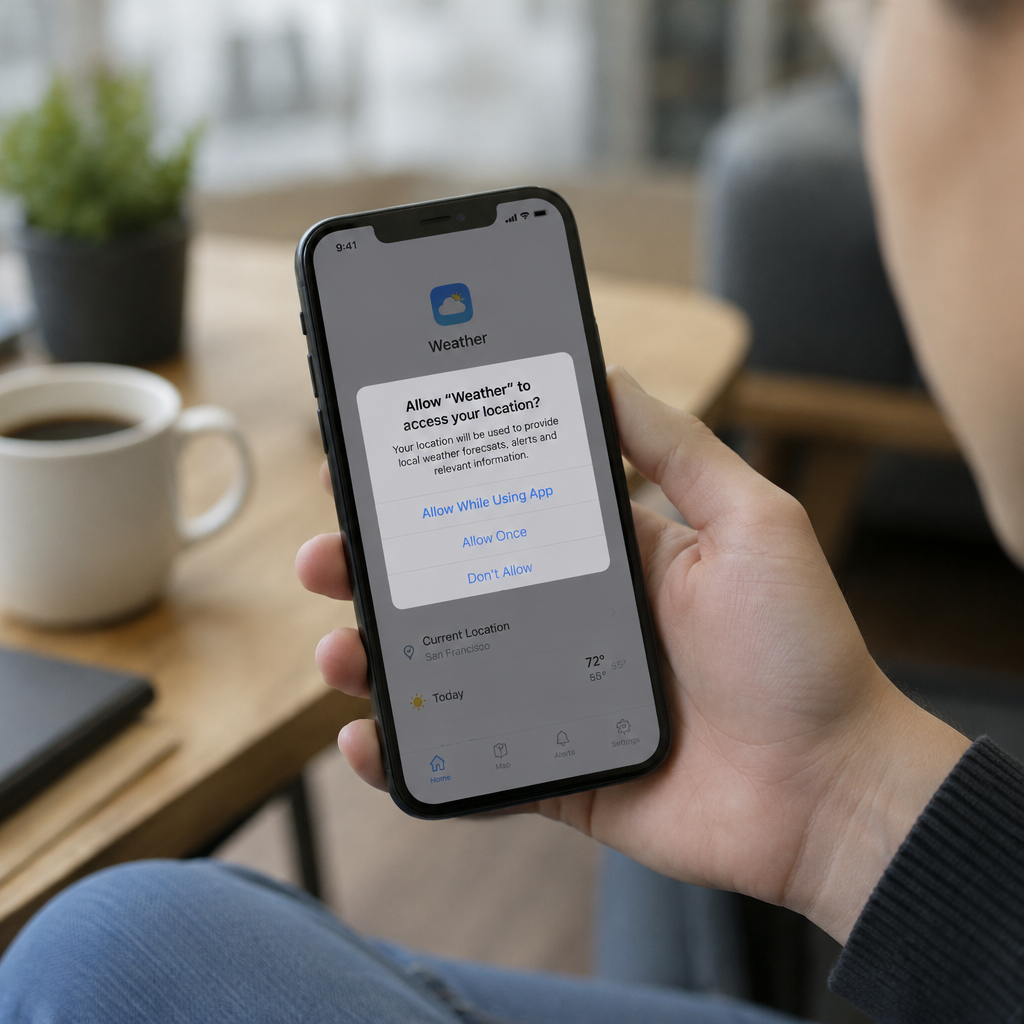
CVE-2026-65339 was a flaw in Apple's audio service that, until it was patched, allowed apps on iPhone and iPad to record audio even after a user tapped "Don't Allow" on the microphone permission prompt. The first security updates that fixed the flaw were released on August 17, and neither Apple nor the two researchers who published technical analyses report that the vulnerability was used in real-world attacks.
Patch timeline and affected releases
The vendors' fixes are spread across Apple platforms and builds. The updates listed by researchers include:
- iOS 26.6.1 and iPadOS 26.6.1 (August 17), for iPhone 11 and later; iPad Pro 12.9-inch 3rd generation and later; iPad Pro 11-inch 1st generation and later; iPad Air 3rd generation and later; iPad 8th generation and later; and iPad mini 5th generation and later.
- iOS 18.7.11 and iPadOS 18.7.11 (October 26), for iPhone XS, iPhone XS Max, iPhone XR, and iPad 7th generation.
- macOS Tahoe 26.6.2 (August 17) and macOS Sequoia 15.8 (September 14).
- tvOS 27 (September 14) for Apple TV 4K 2nd generation and later; watchOS 27 (September 14) for Apple Watch Series 9 and later; visionOS 27 (September 14) for Apple Vision Pro (all models).
The U.S. Cybersecurity and Infrastructure Security Agency (CISA) assigned the flaw a CVSS score of 5.0 out of 10, and its catalog of known exploited vulnerabilities did not list CVE-2026-65339 as of the catalog's update "late last week." Apple’s notes for the August 17 updates described the issue only as one that "may let an app leak sensitive user information."

Audit-ready is a season. It shouldn't be.
Evidence in spreadsheets, controls drifting between audits, frameworks multiplying on flat headcount. Nubivance runs continuous compliance on Rapid7 Cyber GRC - SOC 2, HIPAA, ISO 27001, PCI, CMMC.
End the scrambleHow the audiomxd bypass worked, technically
Both researchers traced the bypass to Apple's audio service, named audiomxd. The service accepted an app-supplied audit token that identified the calling process; an app could provide a token that named audiomxd itself. Audiomxd then treated that caller as an internal audio client and took a shortcut that avoided the Transparency, Consent, and Control (TCC) system, allowing recording without going through the usual permission check.
The kernel supplied the details an app needed to impersonate the service. The published fix forces the service to verify the real caller identity that the kernel provides. Outside callers now require the private entitlement com.apple.private.audio.client-audit-token-override to replace the client identity the service would otherwise rely on — an entitlement the researchers say an app cannot grant to itself.
Nik Tsytsarkin (Meta Red Team X) and Mustafa Calap: what their tests showed
Nik Tsytsarkin of Meta Red Team X and security engineer Mustafa Calap published independent technical analyses and demonstrations. Key, concrete points from their work:
- Tsytsarkin showed the prompt appearing the first time his test app opened; declining it did not stop recording, and the prompt did not reappear on subsequent launches. In one early test build the orange microphone indicator that normally shows when an app is using the microphone stayed off while the app recorded; in a later build that indicator was restored and appears in his demo video.
- Calap reproduced the bypass on iOS 26.6 (released July 27) and on an iPadOS 27 beta. His test app recorded while its microphone permission still read denied; no orange indicator appeared in the Dynamic Island or in Control Center. He did not specify which of his two test builds showed the missing indicator.
- Both researchers' test apps were installed from Xcode, never underwent App Review, and were sandboxed with no added entitlements beyond NSMicrophoneUsageDescription. The bypass required an app already installed on the device, and recording had to start while the app was in the foreground; once started, recording continued after the app went to the background and after the device was locked. The background version also set UIBackgroundModes = audio.
- The bypass applied only to microphone capture through the audio service and did not grant other privacy permissions.
What this means for end users, technologists, and App Review
End users: The researchers describe no user setting that blocks the bypass, and they explicitly state that installing the listed updates is the fix. Users concerned about this class of issue should install the August–September fixes for their devices.
Technologists and security teams: The bug illustrates a privilege-check shortcut in a system service — audiomxd accepted a spoofed audit token — and underscores the need to verify caller identity end-to-end. CISA’s 5.0 CVSS score and its not-listing in the exploited-vulnerabilities catalog provide contextual risk data but do not indicate active exploitation, per the researchers' and Apple’s statements.
App Review and platform reviewers: Both researchers note their test apps were installed from Xcode and never went through App Review, so the published tests do not show whether App Review would have detected or rejected such an app during submission.
In short: the flaw gave apps a pathway to record after permission was denied, researchers demonstrated the conditions under which it worked, and Apple’s patches close the shortcut by forcing audiomxd to verify the kernel-supplied caller identity. Installing the listed updates is the concrete protective action; whether App Review or other platform controls would have stopped the specific test apps remains an open procedural question.