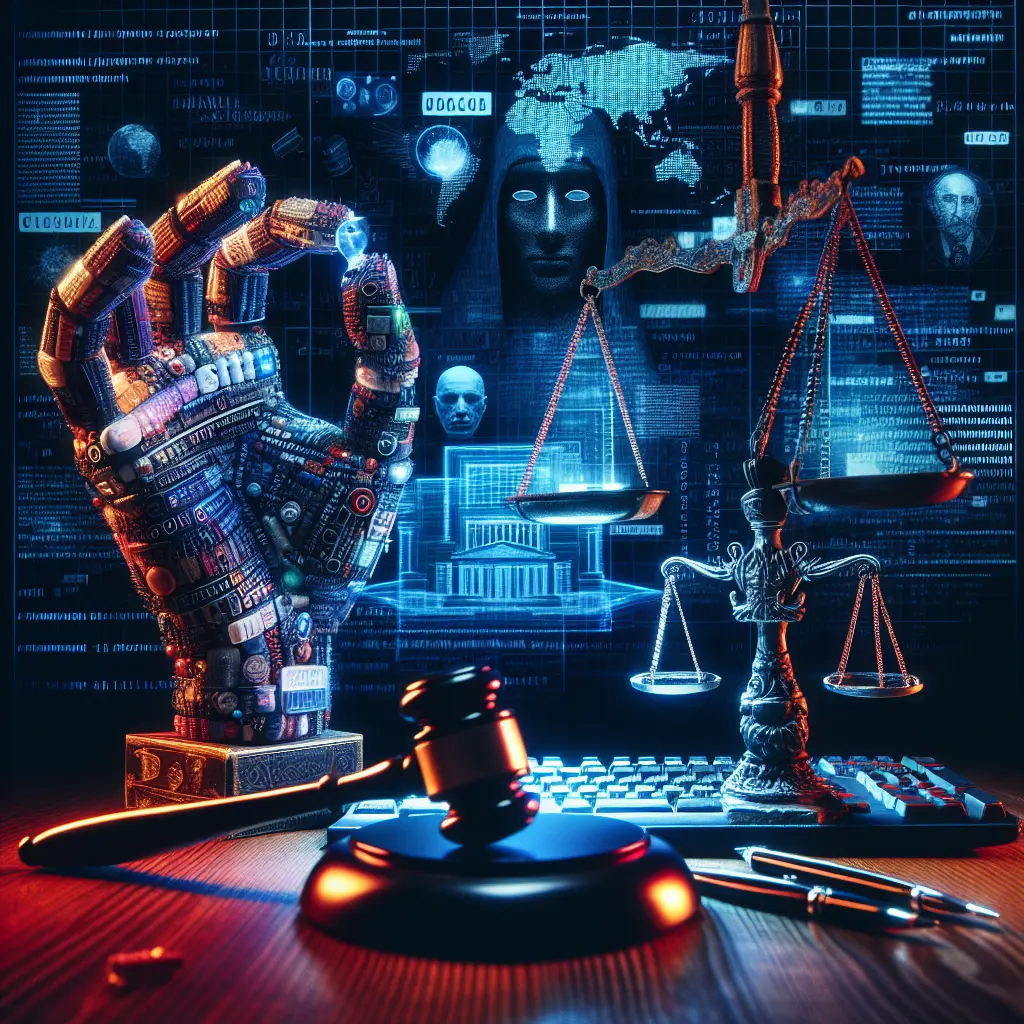
Cyber Siege at the ICC: The Implications of a Targeted Attack
In a world increasingly defined by digital vulnerabilities, the International Criminal Court (ICC) has found itself in the crosshairs of a “sophisticated” cyberattack, marking a troubling sequel to a similar breach two years prior. As the ICC disclosed this latest assault, questions are surfacing not just about the attack’s origins but also its implications for international law and justice in an era where cyber threats are as potent as traditional warfare. How do such breaches affect public trust and operational integrity within institutions designed to uphold accountability on a global scale?
The ICC, established in 2002 to prosecute individuals for genocide, war crimes, and crimes against humanity, has faced multiple challenges since its inception. However, the recent cyberattack represents an escalation that can no longer be ignored. In a climate where cybersecurity is often viewed as secondary to diplomatic engagement, incidents like these compel us to reassess our priorities in safeguarding the very frameworks meant to maintain international order.
On October 13, 2023, the ICC acknowledged through its official channels that it had suffered a targeted cyberattack, although specifics remain under wraps. The institution hinted at striking similarities between this incident and earlier espionage campaigns that have swept through various entities worldwide. Officials emphasized their commitment to maintaining operational continuity amid such challenges while simultaneously working with cybersecurity experts to investigate and mitigate the damage.
This incident is particularly concerning given that it follows an earlier breach in 2021 that affected the court’s ability to operate effectively. The nature of these attacks raises significant questions about who stands behind them—state actors, hacktivists, or possibly even organized crime syndicates—and what their motivations might be. As legal frameworks struggle to keep pace with rapid technological advancements, these breaches spotlight glaring gaps in protections afforded to international institutions.
The ramifications of such an attack can be profound. For one, they erode public trust in the institutions responsible for administering justice on a global scale. Victims of war crimes and genocide rely on entities like the ICC for accountability; when these institutions falter under duress from cyber threats, it undermines their credibility and effectiveness. Furthermore, it poses risks not just to data but potentially compromises sensitive information crucial for ongoing investigations into high-profile cases involving powerful figures.
Experts suggest that such incidents necessitate a reevaluation of cybersecurity protocols within international organizations. These institutions often operate with limited budgets and resources compared to their private-sector counterparts, which can leave them vulnerable. Building robust systems requires not only technological upgrades but also enhanced training for personnel at all levels—areas where many organizations fall short due to bureaucratic inertia or budgetary constraints.
The stakes are particularly high for policymakers who must navigate this treacherous landscape while ensuring that justice is served without compromising sensitive diplomatic relationships. As nations increasingly recognize that cybersecurity should be prioritized alongside military preparedness and diplomatic engagement, how will they balance these competing demands?
Looking ahead, observers can anticipate several key developments following this incident:
- Increased Scrutiny: Expect heightened scrutiny on cybersecurity measures across all international organizations as stakeholders seek reassurance that necessary steps are being taken to secure data.
- Policy Reforms: This incident may catalyze discussions around reforming laws related to cybersecurity and data protection at both national and international levels.
- Bilateral Cooperation: We may see nations collaborating more closely on intelligence-sharing initiatives aimed at preempting future threats while bolstering collective cyber defenses.
The persistent threat of cyberattacks on vital international institutions like the ICC underscores an urgent truth: robust defenses are no longer optional; they are essential for maintaining global order. Can we afford complacency when justice itself hangs in the balance? As world leaders convene in forums addressing both digital security and human rights, one wonders if they will seize this moment as an opportunity or merely allow it to pass into memory—just another headline lost among the clamor of today’s news cycle.



