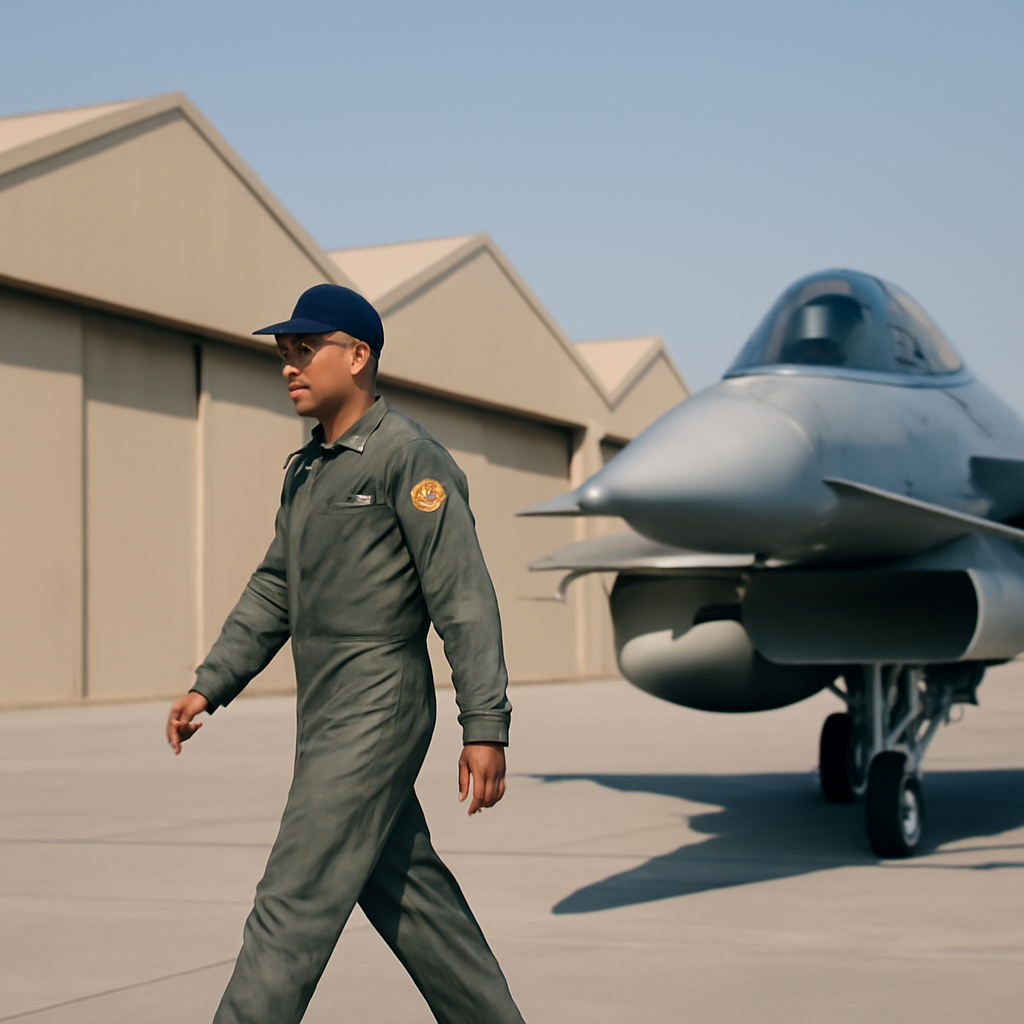
"The Australian Army’s workforce is more educated, technically proficient and connected to emerging technology than any previous generation," the article notes, framing a single, central challenge: can an institution that has the people and tools also institutionalise continuous adaptation before conflict forces the change?
Strategic fitness — an institutional analogue to combat fitness
The piece defines "strategic fitness" as the measurable capacity of a military institution to recognise change, interpret its implications, make timely decisions, implement them and learn from the results. It compares strategic fitness to combat fitness: where combat fitness readies a soldier to employ skills under physical and mental pressure, strategic fitness enables an institution to generate and regenerate military advantage as its environment changes. Without that capacity, doctrine, technology and force structure risk becoming mismatched to reality.
Why peacetime systems slow adaptation
The article lays out a structural problem: institutions built for extended peacetime reward stewardship, governance and deliberate capability development. By contrast, war compresses decision windows, increases tolerance for calculated risk and forces visible consequences — factors that historically accelerated adaptation. The Australian Army, the piece notes, has repeatedly evolved under operational pressure, citing examples "from the Western Front to Afghanistan." But the environment has shifted: strategic competition, technological disruption, cyber operations, economic coercion, information campaigns and military modernisation now exert continuous pressure without crossing the threshold of declared conflict.

This site is the portfolio.
OSINTSights runs on Cloudflare Workers, D1, R2, and Vectorize, with an AI pipeline on Hetzner ARM. Nubivance designed, built, and operates it. We do the same for clients.
See what we buildHow to measure strategic fitness
Measuring preparedness traditionally focuses on readiness, force structure and capability — important, the article says, but descriptive of today's force. Strategic fitness asks a different question: how quickly can the army become the force required for an unanticipated threat, technology or operating problem? Proposed indicators include:
- Time between identifying a change and authorising a response;
- Time required to convert successful experimentation into doctrine, training or capability;
- Speed with which lessons produce revised decisions.
The article argues these measures would expose institutional latency and show whether the army is actually adapting, rather than merely accelerating isolated activities such as procurement or experimentation.
Who must own adaptation and how exercises should change
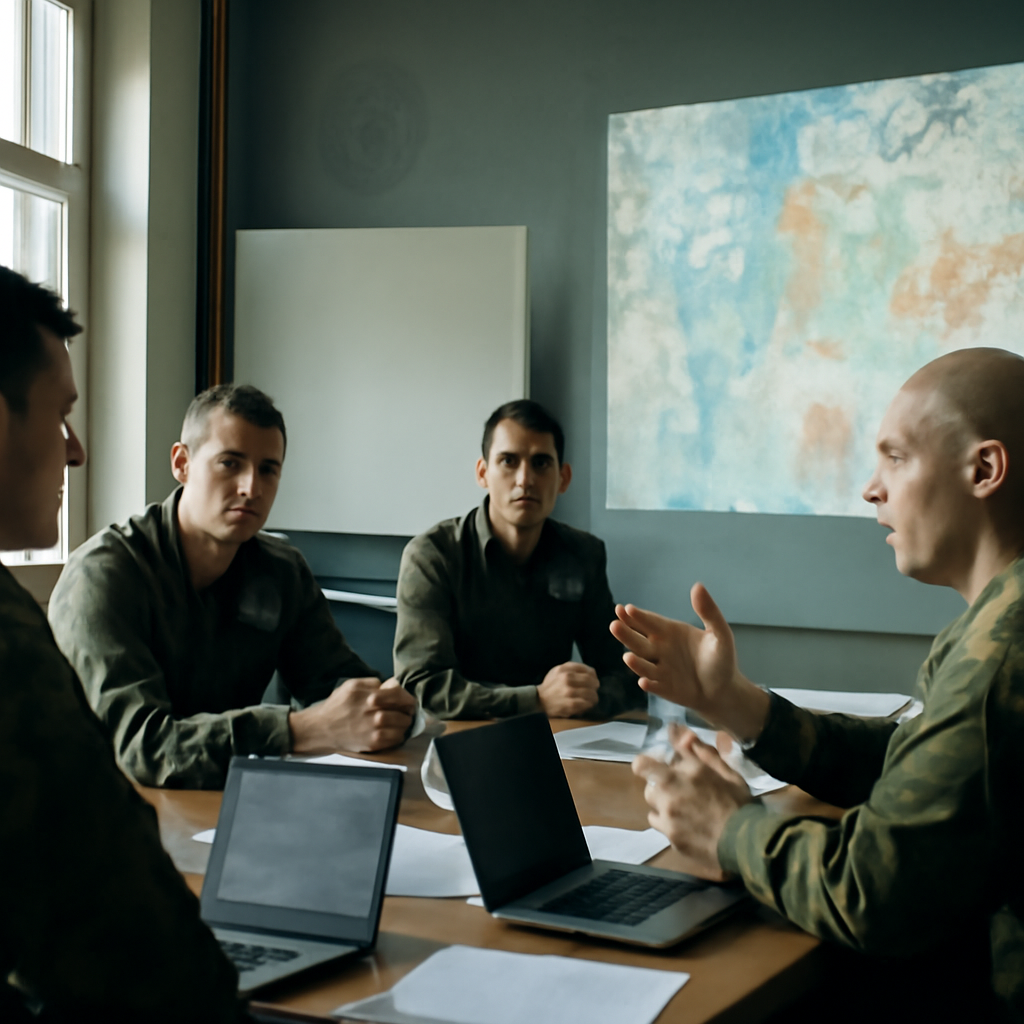
Responsibility, the article warns, cannot sit solely with specialist teams. Senior leaders must regularly test the institutional adaptation cycle against emerging problems, identify where decisions are stalling and assign authority to remove barriers. Major exercises should do more than validate execution of existing plans: they should test whether the institution can recognise failure, redesign its approach and implement change. The goal is to reproduce wartime conditions that favour initiative — short feedback loops, delegated authority, rapid learning and visible consequences — while preserving lawful governance, professional judgement and accountability.
What this means for senior leaders, procurement teams, and training commands
- Senior leaders should treat strategic fitness as a dimension of preparedness: they will need to discover where decision windows are too long, assign authority to clear blocks and make institutional adaptation a regular part of senior-level duties.
- Procurement and capability developers must connect faster acquisition and experimentation to doctrine, training and force design so successful trials convert into operational effect rather than remaining episodic demonstrators.
- Training commands and professional military education should institutionalise rapid learning: exercises and curricula must deliberately test the institution’s capacity to recognise failure, redesign approaches and implement changes across doctrine, command and force structure.
The article concludes with a pointed challenge: this generation’s task is harder than adapting under the pressures of conflict — it is to institutionalise wartime rates of adaptation in peacetime. Strategic fitness, as defined, is the measurable capacity to convert change into operational advantage; building it requires integrated systems linking strategy, doctrine, force design, capability development, professional education, command, training and organisational learning so that insight in one part of the army produces change across the others.