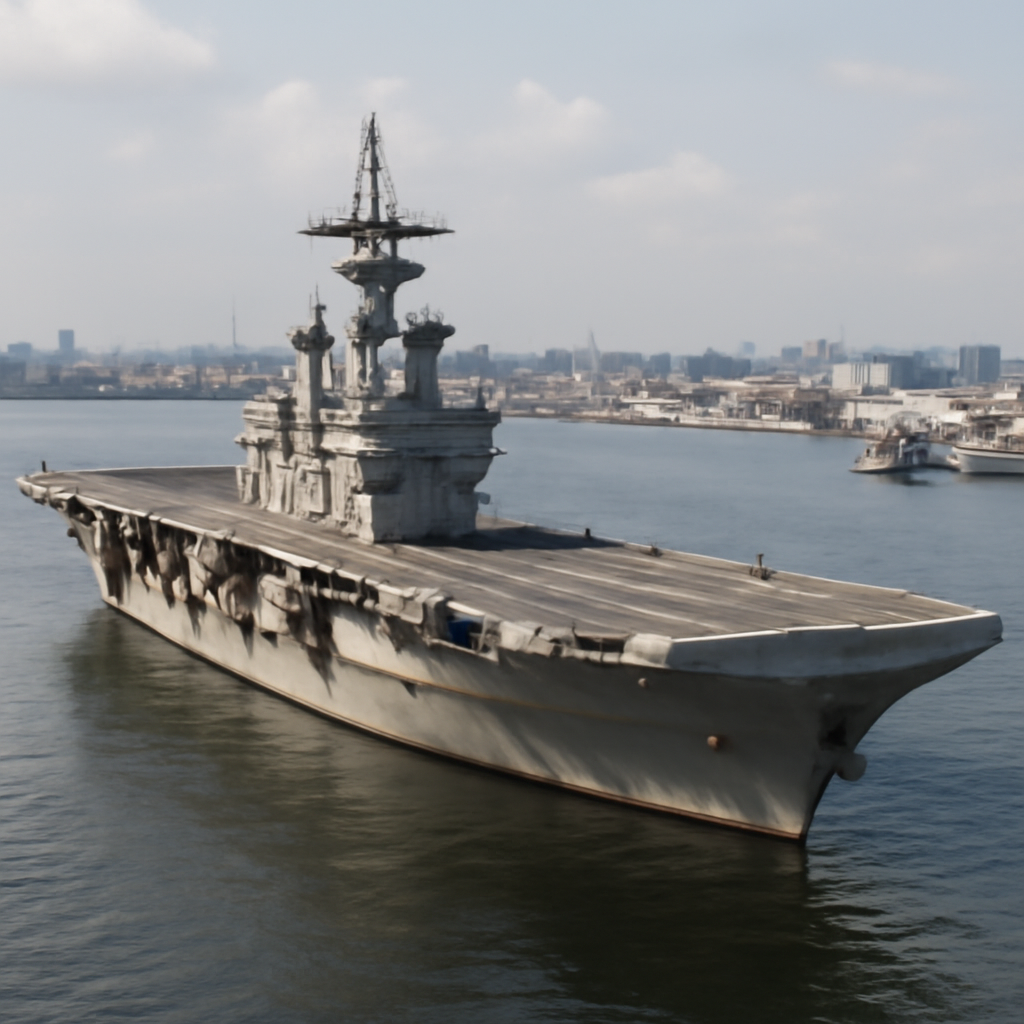
KRI Sriwijaya is a small aircraft carrier formerly owned and operated as the Giuseppe Garibaldi by the Italian Navy. How Indonesia chooses to equip, modernize and sustain that ship will determine whether it becomes a flexible amphibious platform and drone experimentation hub or, as similar ships have become elsewhere, an expensive "harbor queen."
KRI Sriwijaya's character: more amphibious support ship than offensive carrier
The vessel is best understood, in its current profile, as an amphibious support ship with substantial aviation capabilities rather than a platform for air-superiority operations. The ship is smaller than most modern flat-deck carriers operating in the Western Pacific and will require considerable modification before it enters Indonesian service. Indonesia has engaged Italian shipbuilder Fincantieri to modernize the warship, an arrangement the reporting says should improve Indonesia’s capacity for keeping the ship at sea.
V/STOL fighters: limited practical options cited in the reporting
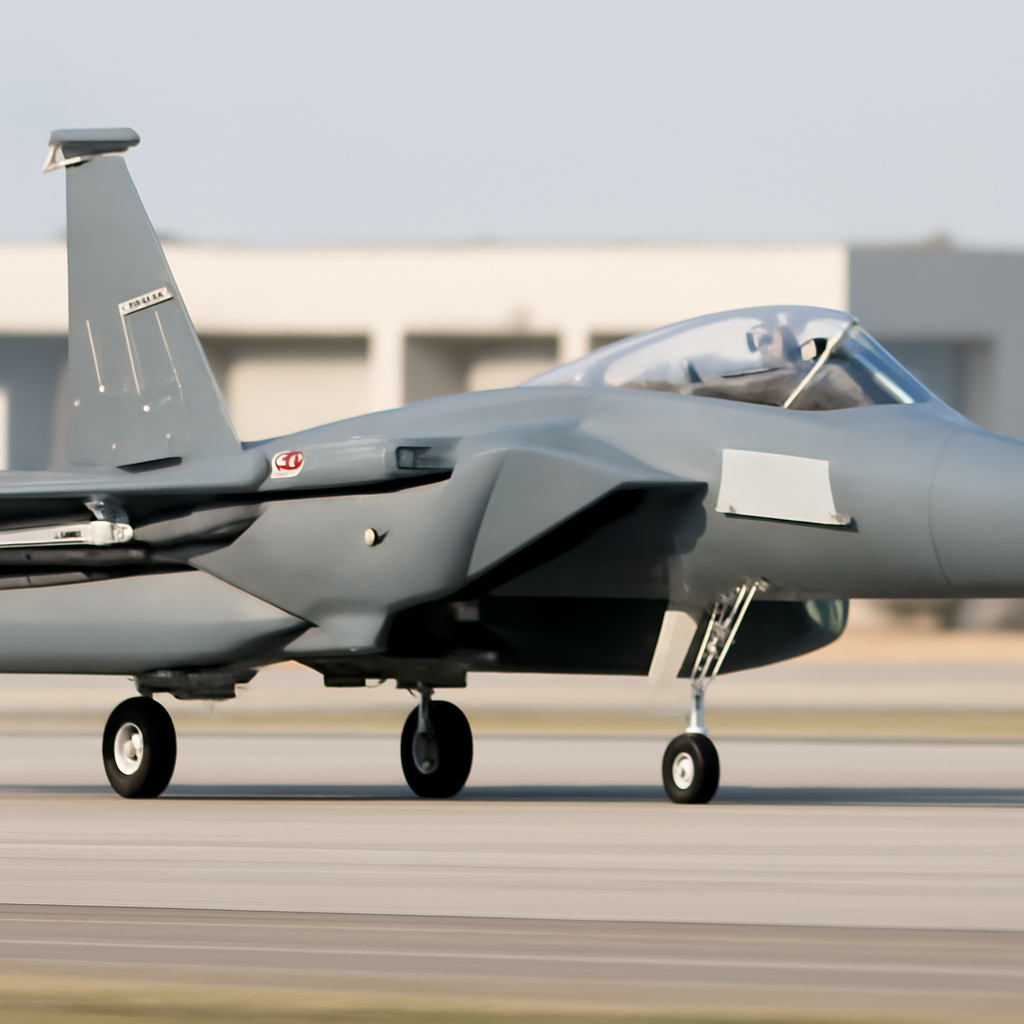
The article notes only two operational V/STOL fighters in the world: the AV-8B Harrier and the F-35B Lightning II. It states the Harrier fleet is old and expensive to operate, while the F-35B has not been offered to Jakarta and is described as extremely expensive. Given those constraints, the reporting concludes Indonesia appears unlikely to pursue a small V/STOL combat wing for Sriwijaya and is instead likely to emphasize aviation support roles.

Audit-ready is a season. It shouldn't be.
Evidence in spreadsheets, controls drifting between audits, frameworks multiplying on flat headcount. Nubivance runs continuous compliance on Rapid7 Cyber GRC - SOC 2, HIPAA, ISO 27001, PCI, CMMC.
End the scrambleTurkiye's TCG Anadolu as a pragmatic model: unmanned aviation from a sea platform
The TCG Anadolu is presented as the most relevant contemporary model for Indonesia. Anadolu, an amphibious warship operating along the same lines as vessels used by Spain and Australia, was originally expected to fly the F-35B; disputes with Washington have put those plans on ice. The Turkish Navy has instead used Anadolu as a platform for experimenting with a range of uncrewed aircraft, including the Bayraktar TB3 and the Bayraktar Kimilelma, both of which have multimission capabilities. The reporting highlights that Indonesia has already signed a deal with Turkiye for the transfer of a number of drones and may be able to take advantage of Turkish experience operating advanced UAVs from a maritime platform.
The Chakri Naruebet warning: how ambition can be blunted by costs
The Thai Chakri Naruebet — a Spanish-designed carrier similar in size to Sriwijaya — is offered as a cautionary example. Thailand initially expected Chakri Naruebet to operate AV-8B Harriers, but the fighter proved difficult to sustain and the small Harrier force was retired in the early 2000s. The Thai carrier subsequently became known as a "harbor queen," employed mostly for a few high-profile humanitarian assistance and disaster relief (HADR) operations. Thailand’s experience is tied in the article to serial financial crises that de-emphasized the navy and its most expensive ship.
What this means for the Indonesian Navy, humanitarian responders, and regional navies
- Indonesian Navy: The navy will have to decide how much to invest in modernization, crew training, and sustainment to avoid the fate of a lightly used capital ship; its ongoing contract with Fincantieri is a concrete step toward readiness and maintenance capacity.
- Humanitarian assistance and disaster relief responders: If Indonesia follows the amphibious-support/LHD model, Sriwijaya could materially enhance HADR capability by hosting helicopters and other aviation assets for relief operations.
- Regional navies and security observers: The acquisition places Indonesia in a growing club of Western Pacific navies operating carriers; recent years have seen Australia, India, China, and Japan build or acquire flat-decked aircraft-carrying warships, and Thailand joined the group in the 1990s with the Chakri Naruebet.
An aircraft carrier of any size is both an opportunity and a long-term obligation. The choices ahead are concrete: invest in converting Sriwijaya into a maintained, modernized platform that supports helicopters and maritime drones — following the Anadolu experiment — or risk an expensive underused flagship along the lines of Chakri Naruebet. The Fincantieri modernization contract and the drone transfer deal with Turkiye are immediate, demonstrable steps; whether they are sufficient will depend on Indonesia’s follow-through on sustainment, aircrew and unmanned-systems integration, and operating tempo.