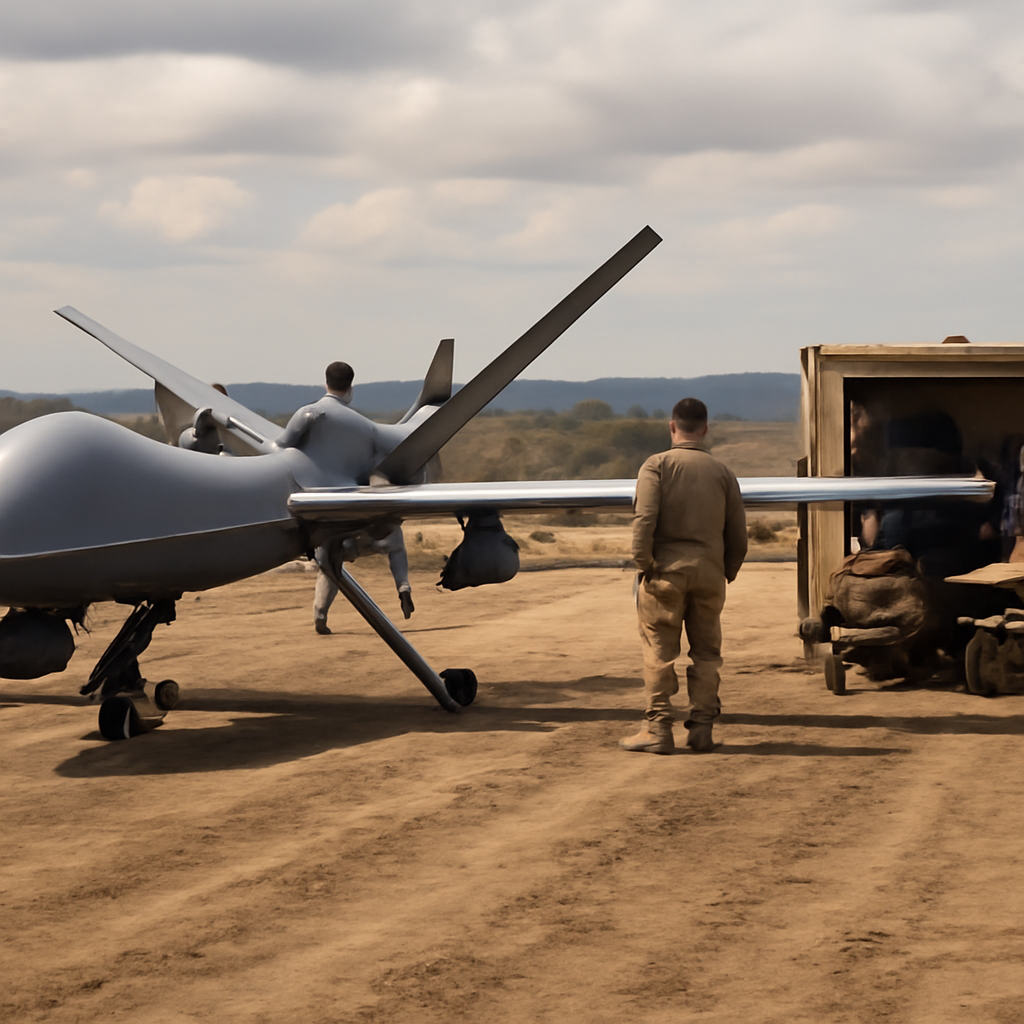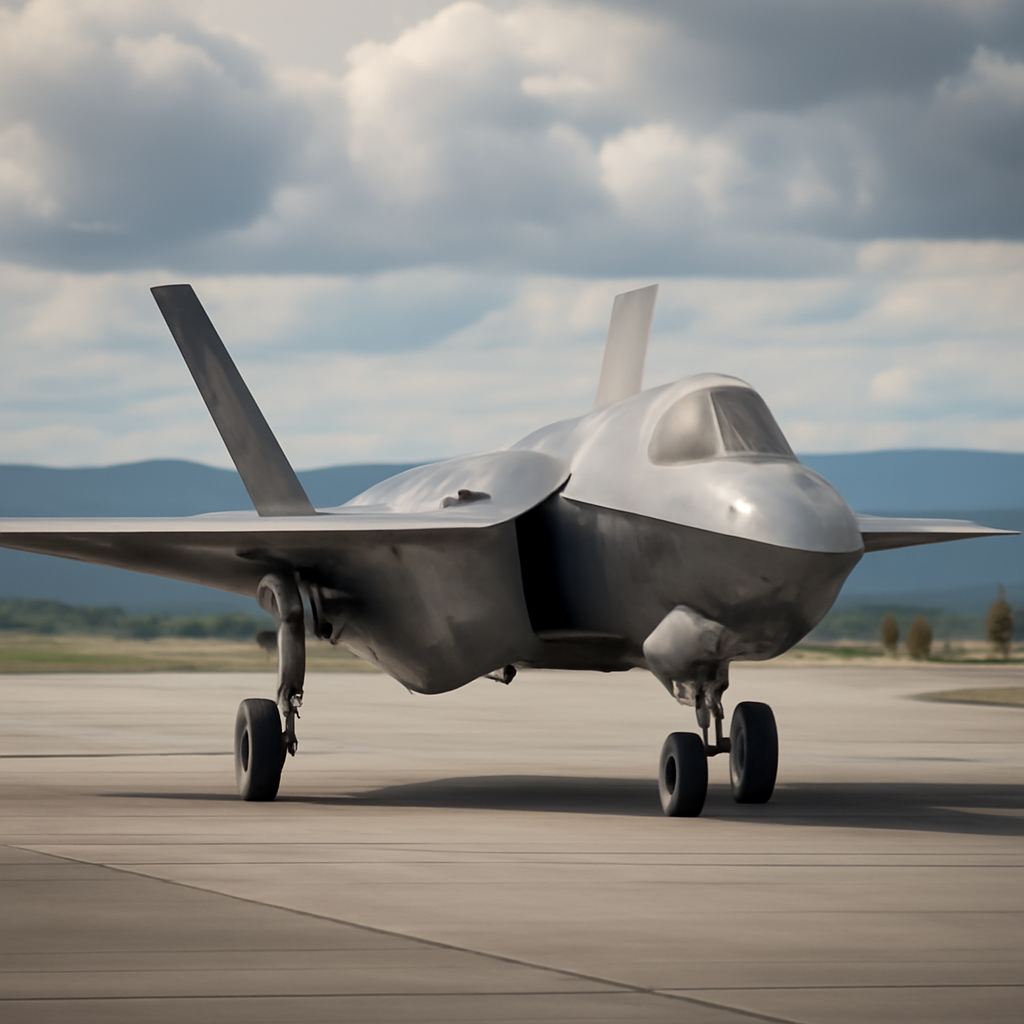
India faces a choice over whether to add Russian Su-57 stealth fighters to its force mix — a debate that carries strategic weight for the Indian Air Force (IAF), the Pakistan Air Force (PAF), and wider regional air-power calculations. Voices inside India are urging acquisition of several Su-57 squadrons; Quwa’s reporting situates that push against a backdrop of Pakistan’s possible J-35AE purchases and the People’s Liberation Army Air Force’s faster move toward next‑generation fighters.
IAF preferences: Rafale and Super Sukhoi remain front of mind
Quwa’s assessment finds that the IAF would likely prefer to concentrate on the Rafale as its next primary fighter acquisition rather than pivoting to the Su-57. At present the service’s practical focus appears to be on procuring more of platforms "that already work," and on upgrading current types — notably buying additional Rafales and pursuing the Super Sukhoi program to modernise the Su-30MKI fleet. New projects such as the Advanced Medium Combat Aircraft (AMCA) and future Tejas variants are, in this reading, secondary considerations.
Political pressure and the framing of a Su-57 purchase
Proponents for Su-57 acquisitions in India frame the argument as a necessary response to two pressures: a potential PAF purchase of the Chinese J-35AE and the PLA Air Force’s accelerating adoption of next-generation fighters. Quwa reports that these external cues are amplifying domestic voices urging a rapid move toward a stealth-capable platform, even as the IAF’s operational instincts favour consolidation around existing, mature systems.

The cyber insurance questionnaire just landed. Now what?
SOC 2, HIPAA, insurance renewals - someone has to own security strategy. Nubivance provides fractional CISO leadership without the full-time salary.
Get a security leadPakistan’s path: capability-driven, not simply reactive
According to Quwa, a Pakistani response should not be seen as a straightforward tit‑for‑tat. The PAF has already roadmapped a period for inducting a stealth fighter such as the J-35AE; that plan is not strictly contingent on Indian choices about the Su-57. Instead, the PAF’s trajectory toward a stealth-fighter-led strike doctrine has long been under preparation — Quwa traces this trend to the mid‑2010s — and is intended to deliver specific offensive capabilities rather than merely matching generations.
That offensive architecture would likely be built around new strike wings centred on a stealth fighter and supported by a broader systems approach: unmanned combat aerial vehicles (UCAVs), decoy drones, and special mission aircraft such as new airborne early warning and control (AEW&C) platforms and airborne stand‑off jamming (ASOJ) assets.
Technical and procurement realities shaping choices
Quwa records that the PAF has repeatedly specified requirements for a twin‑engine fighter with sufficient internal volume to carry high‑powered electronics and potentially directed energy weapons. "To put it another way, the PAF wants a large twin‑engine fighter that can drive its long‑term offensive strike needs," Quwa writes. The fighters likely to be available to Pakistan — the J-35AE and possibly KAAN — are stealth designs, but stealth is described as one component of a larger capability goal.
Maintenance and sustainment considerations also feature: the PAF would, Quwa suggests, prefer a twin‑engine 4.5+ generation aircraft over a stealth fighter if such an option (for example, the J-16) were available immediately, because the former would be easier to maintain. Thus procurement choices may hinge as much on platform availability and lifecycle support as on raw technological sophistication.
What this means for the Indian Air Force, the Pakistan Air Force, and PAF Air Headquarters
- Indian Air Force: Expect continued emphasis on expanding and upgrading proven fleets — more Rafales and a Super Sukhoi upgrade path for Su-30MKI — with new‑build stealth programmes remaining lower priority unless political pressures force a change.
- Pakistan Air Force: Likely to press ahead with a planned induction of a stealth-capable next‑generation fighter to underpin new strike wings and a force architecture based on UCAVs, decoys, AEW&C and ASOJ support, rather than reacting solely to Indian acquisitions.
- PAF Air Headquarters (AHQ): Will monitor Indian decisions closely, but Quwa’s assessment indicates AHQ’s timetable for NGFA induction is already planned independently and focused on securing large twin‑engine platforms and associated mission systems.
The central fact emerging from Quwa’s reporting is a degree of strategic autonomy on both sides: India’s service preference leans toward consolidating proven platforms, while Pakistan’s roadmap toward stealth and larger strike capabilities remains active and capability‑driven. Whether New Delhi signs a deal for Su‑57s will matter politically and symbolically; operationally, Quwa suggests it would not necessarily alter the PAF’s preexisting plans to field a stealth‑centred offensive group supported by a network of unmanned and special‑mission systems.
Source: Quwa — The Deep Political Pressures Forcing Russia’s Su-57 Into India’s Fighter Debate