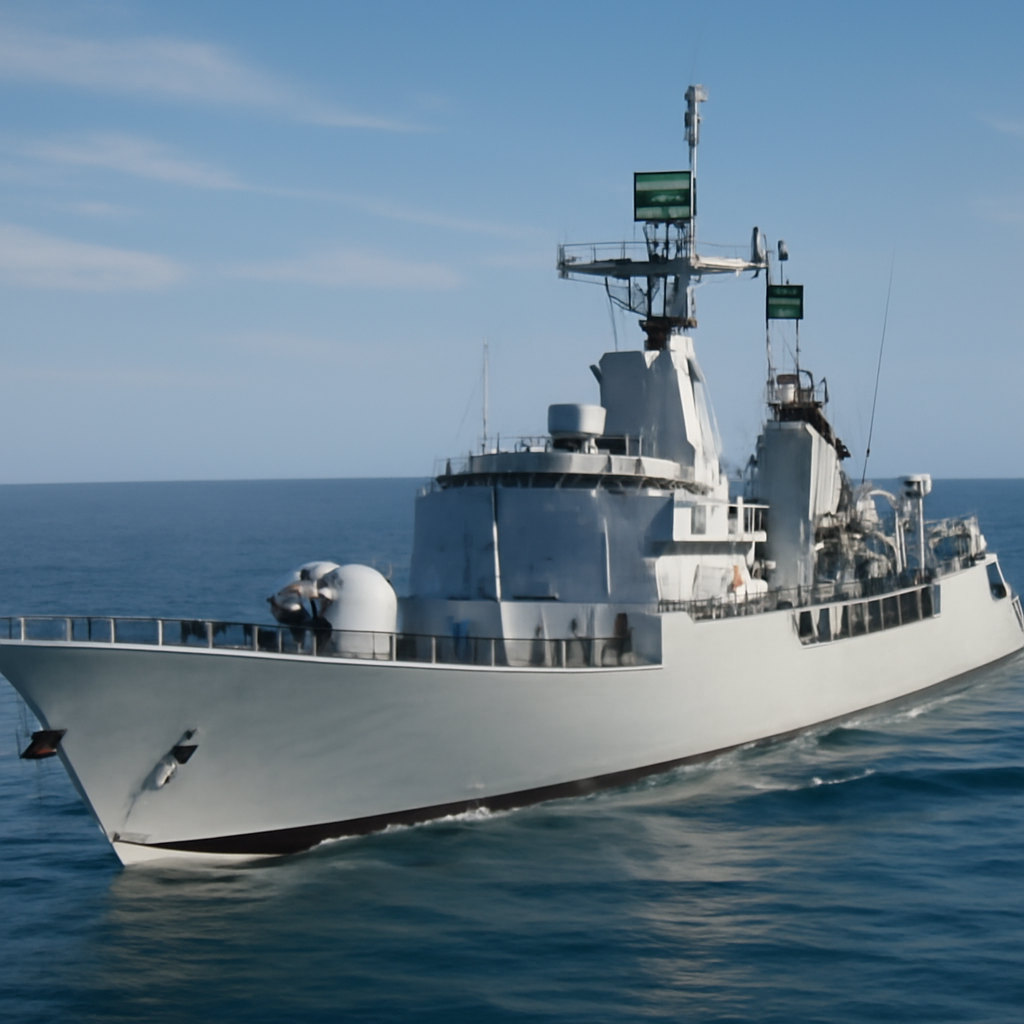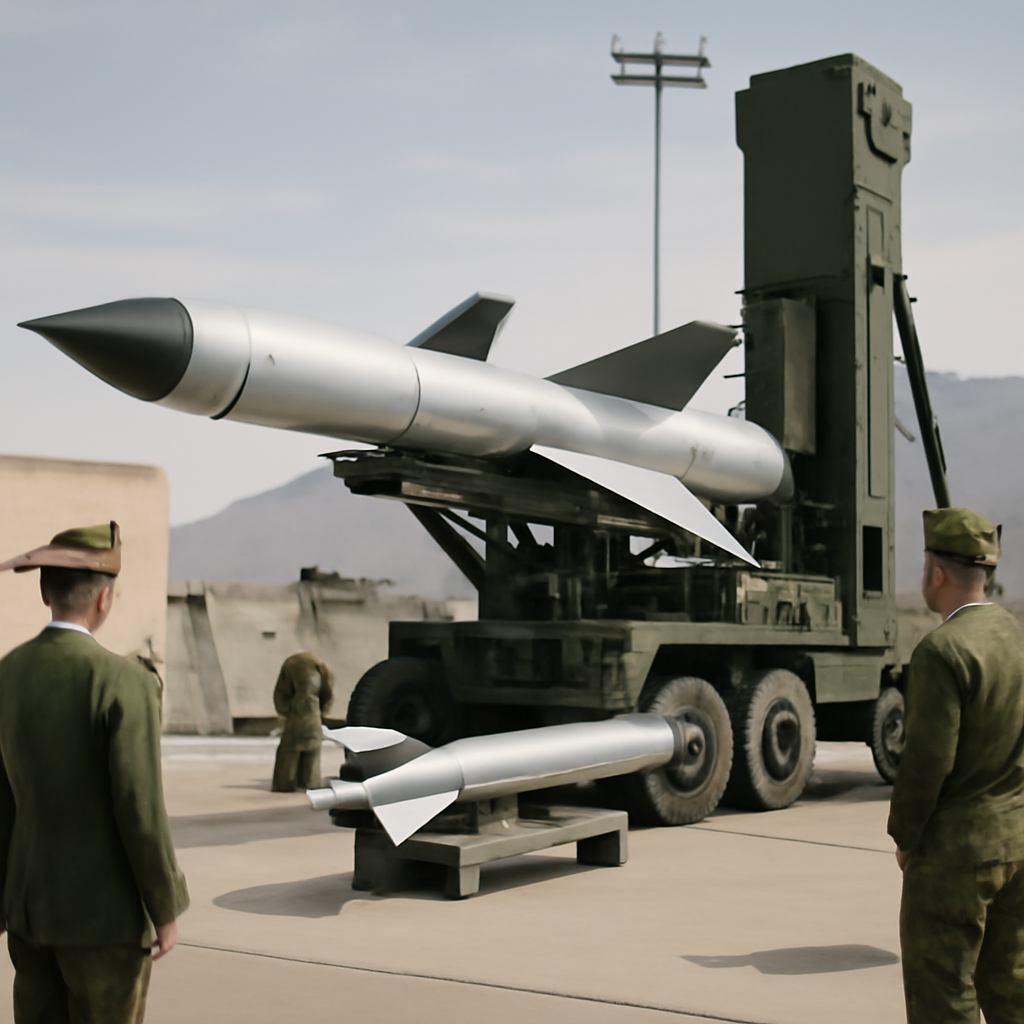
"A range of weapons that create overlapping shields across the entire Greek territory, with an integrated command-and-control system," Nikos Dendias said, laying out the ambition behind Athens' Achilles' Shield initiative.
Nikos Dendias and the Achilles’ Shield package
Greece’s defense minister, Nikos Dendias, announced that his government has approved more than €3 billion (about $3.4 billion) in air defense acquisitions for the program known as Achilles’ Shield, according to Reuters and an online translation of his remarks. Dendias listed a broader set of planned purchases that include American and Israeli drones and Embraer-made C-390 transport aircraft. He did not enumerate specific air-defense systems in his initial remarks, but set a delivery timetable: the various capabilities will be delivered "in stages," and the full enterprise should be ready 35 months "from today."
Israel-linked platforms reported as primary suppliers
While Dendias initially declined to name suppliers, Greek and Israeli news outlets have reported that most of the air-defense platforms are expected to come from Israel. Those reports have pointed to Rafael-made David’s Sling interceptors and radars from ELTA, a subsidiary of Israel Aerospace Industries. Reuters said Athens and Jerusalem had been in talks about replicating much of Israel’s layered air-defense approach as part of Greece’s broader military modernization push; those discussions date back to at least November 2024, Reuters reported.
When pressed by reporters after his briefing, Dendias went further: the plan is not only to purchase Israeli systems but also to include production of Israeli systems in Greece. He suggested roughly €700 million of the approved air-defense pot would be allocated to Greek industry.

Audit-ready is a season. It shouldn't be.
Evidence in spreadsheets, controls drifting between audits, frameworks multiplying on flat headcount. Nubivance runs continuous compliance on Rapid7 Cyber GRC - SOC 2, HIPAA, ISO 27001, PCI, CMMC.
End the scrambleTechnical aim: layered defenses, integrated command-and-control
Dendias’ description emphasizes a layered architecture: overlapping shields across the entire Greek territory tied together by an integrated command-and-control system. The announcement situates Greece among several nations racing to field expansive air-defense networks designed to counter missiles, rockets and especially one-way drones. The story explicitly links those efforts to models already pursued elsewhere—naming America’s Golden Dome and Turkey’s Steel Dome—and notes that many designs draw on concepts from Israel’s multi-tiered approach, where the Iron Dome is described in the reporting as the lowest tier and systems such as David’s Sling and Arrow serve as the middle and upper tiers.
Complementary buys: V-Bat drones, Heron UAV, and C-390 transports
Beyond the air-defense interceptors and radars, Dendias said Athens approved the purchase of 10 V‑Bat surveillance drones from the U.S. firm Shield AI to complement four V‑Bat systems Greece already possesses. He also said Greece will buy an Israeli-made Heron unmanned aerial vehicle. On the logistics side, Dendias said Greece will acquire three Embraer C‑390 transport aircraft from Portugal, with the first delivery expected next year.
What this means for Greek industry, Israeli suppliers, and the Greek armed forces
- Greek industry: With Dendias indicating about €700 million would flow to domestic industry, Greek firms stand to gain both production work and integration roles if the plan to produce Israeli systems in Greece proceeds as described. That allocation signals an explicit industrial participation target tied to the procurement.
- Israeli defense suppliers: Reports that much of the package would come from Jerusalem—naming Rafael’s David’s Sling and ELTA radars—place Israeli companies at the center of the program. The announced intention to manufacture systems in Greece would shift part of the program from export sales to international co-production or licensing arrangements.
- Greek armed forces and logistics planners: The package combines interceptors, radars, persistent surveillance drones, and transport aircraft. Deliveries staged over a 35‑month timeline, plus an expected first C‑390 delivery next year, will require coordinated integration, testing and command‑and‑control arrangements to realize the "overlapping shields" Dendias described.
The approval marks a material step in Athens’ effort to build a multi-layered defensive posture. The combination of foreign platforms, reported Israeli production partnerships, and a defined domestic funding share creates a dual challenge: synchronizing delivery and integration within a 35‑month schedule, while standing up local production lines for complex sensors and interceptors. Whether the reported Israeli systems, the planned domestic industrial work, and the stated timeline align in practice is the immediate operational and procurement question the announcement leaves squarely on the table.
Source: Breaking Defense — Greece approves over $3.4B in air defenses for Achilles’ Shield