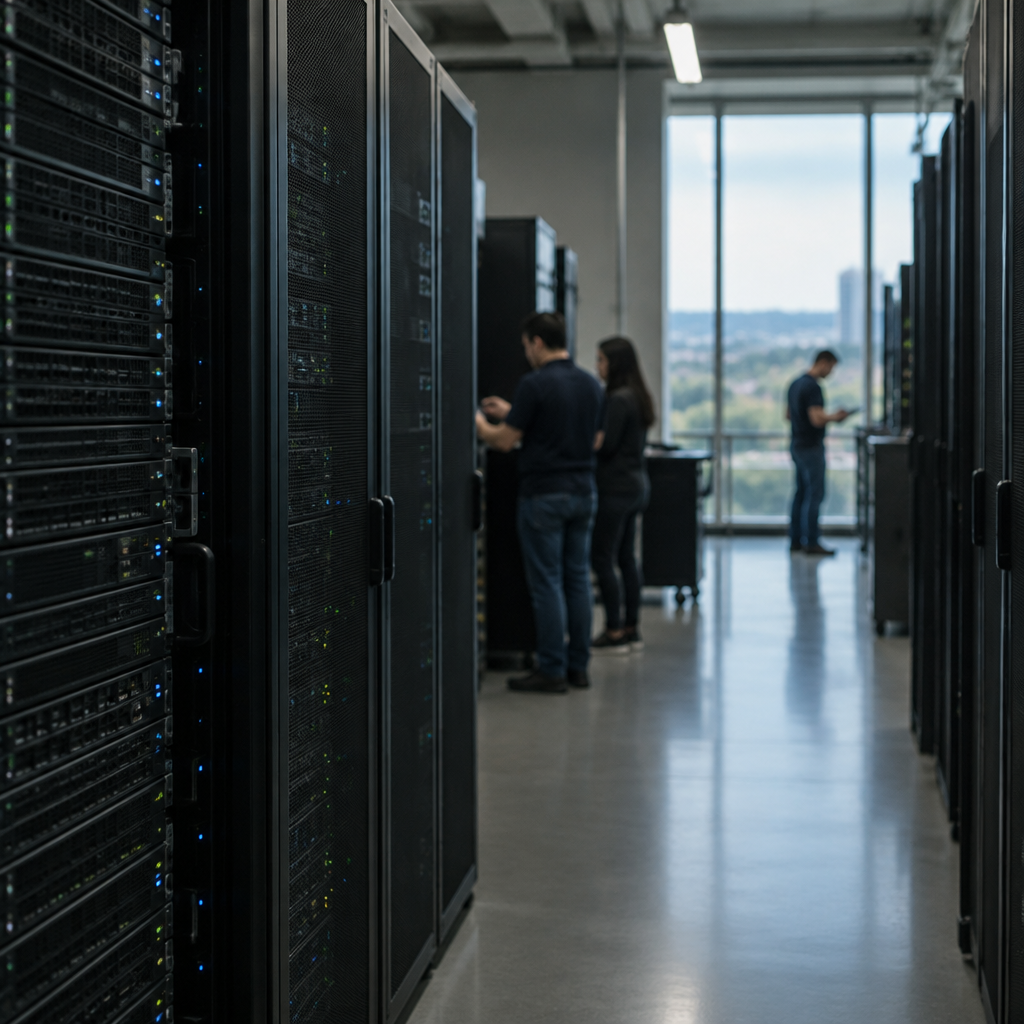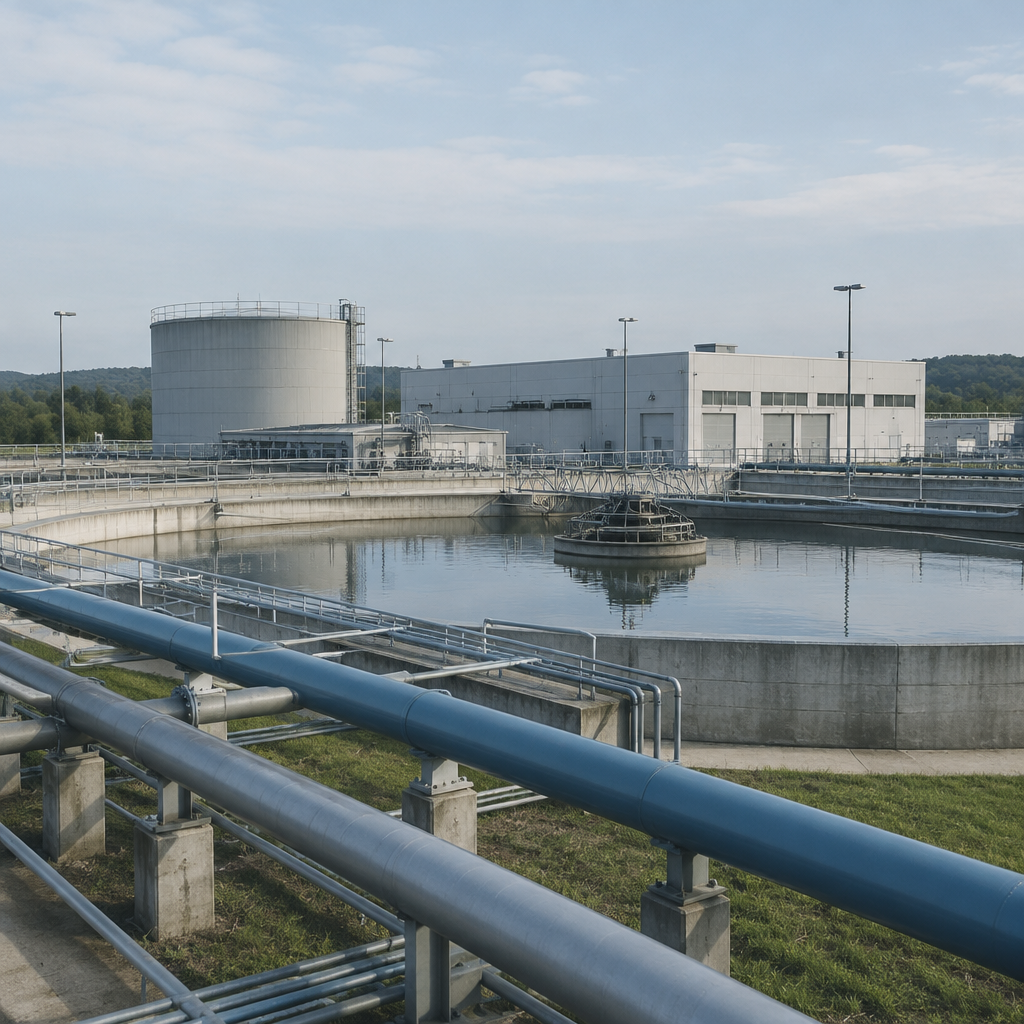
“Cybercrime was projected to cost the world $10.5 trillion annually by 2025,” a projection that positions cybercrime as the economy’s third-largest risk. For government agencies, the stakes described in the documentary Midnight in the War Room are more than fiscal: they are the continuity of water, power, healthcare and public trust.
Why government services face outsized risk
Midnight in the War Room lays out a simple premise: governments operate highly interconnected systems that deliver vital public services. When those systems are disrupted, the effects can cascade beyond a single agency to entire communities. The documentary stresses that cyber resilience must move past prevention and encompass the ability to maintain essential operations during an incident, respond effectively, and restore services quickly.
The film emphasizes practical steps agencies must take: identify the most critical services, map dependencies, establish clear response responsibilities, and test recovery plans for scenarios in which normal systems are unavailable. It argues that these preparedness measures must be embedded across business continuity, emergency response, and executive decision making—not left solely to security teams.
Lockney, Texas: a small town and a glaring exposure
One concrete example in the film underscores how routine systems can become entry points. Former City Manager of Lockney, Texas, Buster Poling describes finding an administrative portal left exposed and repeatedly probed by attackers. The system recorded more than 37,000 attempts in a single day. That episode highlights a recurring theme of the documentary: small communities with limited resources can face high-consequence threats from relatively simple misconfigurations or overlooked access points.

Audit-ready is a season. It shouldn't be.
Evidence in spreadsheets, controls drifting between audits, frameworks multiplying on flat headcount. Nubivance runs continuous compliance on Rapid7 Cyber GRC - SOC 2, HIPAA, ISO 27001, PCI, CMMC.
End the scrambleSolarWinds (December 2020) and supply-chain lessons
The documentary revisits the SolarWinds compromise discovered in December 2020, where malicious code was inserted into a software update and created pathways into customer environments. Midnight in the War Room presents that event as a forcing function across the cyber community: it showed the deep risks posed by interconnected supply chains and the reality that an organization’s security posture depends on the integrity of systems and services it relies upon.
As a result, the film notes, reform followed within the cyber community and government initiatives aimed at helping agencies prioritize known vulnerabilities. Those shared insights, the documentary argues, are especially valuable for public entities with limited resources because they allow focus where impact is greatest.
WannaCry (2017): how fast disruption can propagate
The film uses the 2017 WannaCry ransomware outbreak to illustrate speed and scale. What began with four National Health Service hospitals going dark expanded within hours to affect 37 hospital trusts across the U.K. Surgeries were paused, ambulances queued, and patients struggled to access appointments. Midnight in the War Room draws the lesson that when essential systems are interconnected, the impact of an incident can spread far beyond the initial point of failure, a danger that applies across the public sector.
Workforce realities: short CISO tenures and a widening talent pipeline
Technicians and leaders, the documentary contends, are central to resilience—and they are strained. It reports that the average tenure of a Chief Information Security Officer is less than 11 months, one of the shortest in executive leadership. That turnover, combined with the personal pressure on security teams responsible for defending critical systems, undermines sustained preparedness.
Midnight in the War Room argues that sustainable security requires adequate resources, realistic expectations, clear escalation plans, and a culture of learning that treats incidents as opportunities to strengthen defenses. It also calls for broadening the talent pipeline beyond traditional military and intelligence routes so agencies can tap people who developed technical skills through nontraditional paths.
What this means for technologists, policymakers, and the public
- Technologists and security teams: Prioritize mapping dependencies, test recovery plans for degraded operations, and harden overlooked access points—practices shown to matter in Lockney and in the SolarWinds case.
- Policymakers and procurement leaders: Use coordinated, shared vulnerability prioritization efforts to help resource-constrained public entities concentrate where they can have the greatest impact.
- The public and service operators: Expect that continuity planning—so that clean water, power, and healthcare remain available when IT fails—must be as important as preventive controls.
Midnight in the War Room closes on a practical imperative: public sector leaders may not be able to prevent every attack, but they can determine how prepared their organizations are when one happens. That preparation, the documentary insists, is what turns cybersecurity from a technical safeguard into a commitment to the people government serves.