“The Hunger Report 2026 … estimates that 3.6 million Australian households experienced food insecurity in the past year.”
Scale and severity: what the numbers say
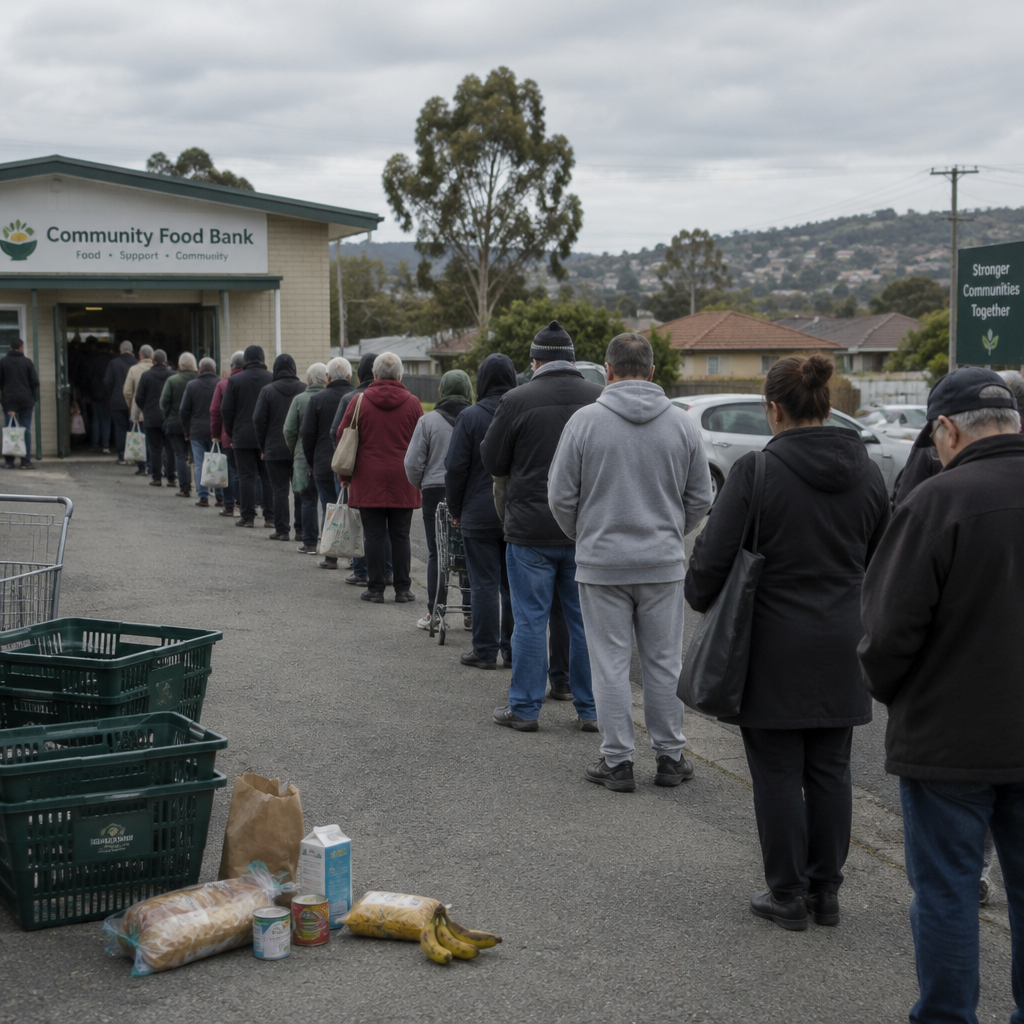
Foodbank’s Hunger Report 2026 places food insecurity at the centre of Australia’s domestic vulnerability. The report estimates 3.6 million households—about one in three—experienced food insecurity in the past year, and for one in five of those households the experience was severe. Nearly half of all households with children were affected, and six in 10 single‑parent households faced food insecurity. Those figures are not presented as isolated hardship statistics; the report frames them as a barometer of national preparedness.
Household coping: depleted reserves and constrained preparedness
Foodbank’s data shows how households have already eroded the buffers emergency planners assume will be available in crises. Among food‑insecure households, 45 percent reported drawing on savings, 29 percent deferred payments onto credit cards or buy‑now‑pay‑later products, and 65 percent reduced home energy use to make ends meet. Emergency management guidance that advises Australians to keep at least three days of food and water at home is “close to meaningless” for households choosing between groceries and power bills, the report argues. A household with no savings and an empty pantry cannot stockpile through a disruption; for them, resilience means food getting to the supermarket shelf and the food relief agency every week, without fail.

This site is the portfolio.
OSINTSights runs on Cloudflare Workers, D1, R2, and Vectorize, with an AI pipeline on Hetzner ARM. Nubivance designed, built, and operates it. We do the same for clients.
See what we buildThe National Defence Strategy’s recognition — and its gap on food
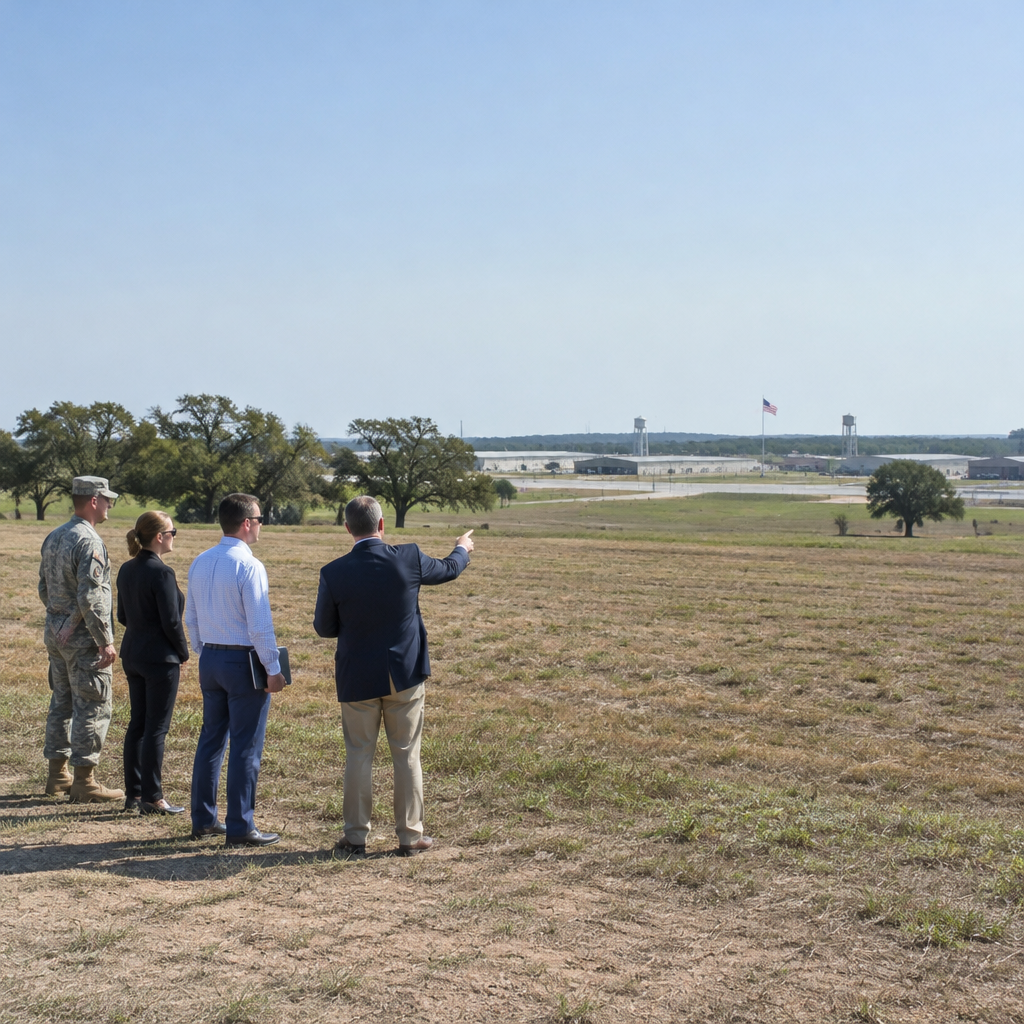
The 2026 National Defence Strategy makes national civil preparedness and national resilience part of national defence, accepting that keeping essential goods and services flowing and keeping communities together are elements of how a nation deters and endures external pressure. Yet Foodbank points out a mismatch: “the Strategy’s list of inputs to critical preparedness leaves out food.” The Australian Strategic Policy Institute’s National Food Security Preparedness Green Paper (April 2025) had already warned that hunger breeds discontent capable of undermining social cohesion, public trust and democratic resilience—exactly the social goods the Defence Strategy expects civil preparedness to protect.
Feeding Australia, coordination and existing mechanisms
Feeding Australia, described in the source as “the first National Food Security Strategy,” is identified as the vehicle to make food a visible pillar of national civil preparedness. The Defence Strategy assigns the Department of the Prime Minister and Cabinet the lead on national civil preparedness; Foodbank argues Feeding Australia must become that strategy’s visible food arm. Much of the coordinating machinery already exists: the National Emergency Management Agency and its National Coordination Mechanism, the Food and Grocery Sector Group, and initiatives such as the 2025 Exercise Convergence, which tested fuel shortages, H5 bird flu and supply disruption. What has not been made, the source contends, is the clear connection between those arrangements and the longer, deeper disruptions the 2026 Defence Strategy now asks Australia to prepare for.
What this means for single‑parent households, the Department of Agriculture, and emergency managers
- Single‑parent households and households with children: these groups are disproportionately affected—six in 10 single‑parent households and nearly half of households with children experienced food insecurity—so relief and preparedness planning must prioritise regular access to food, not only emergency one‑off aid.
- The Department of Agriculture, Fisheries and Forestry: as “the primary agency responsible for food security policy and programs,” the department is identified as the central coordinator to align fuel, freight, energy and production systems under Feeding Australia to keep food moving during extended disruption.
- Emergency management agencies and the National Emergency Management Agency: existing advice about three days’ supplies remains sound for households with spare resources, but the agencies will need to bind supply‑side resilience—fuel, freight and grocery sector coordination—into civil preparedness for people who cannot stockpile.
This year’s fuel and fertiliser shock is cited as another warning that “came at a price we could handle.” The source emphasises that Australia has the land, the farmers, the institutions and, in Feeding Australia, a plan in the making—but it warns the nation has yet to show the political and administrative resolve to treat the food security of every household as a measure of national power.
The parliamentary inquiry into national civil preparedness and resilience, announced in July 2026, is presented as a concrete opportunity to give food a more visible place in how Australia prepares for crisis. The piece closes with a practical first step: Feeding Australia’s initial job should be to map out how to secure the foundations that keep food reaching households, supermarket shelves and relief agencies when the system comes under pressure. If national defence now rests in part on civil preparedness, the argument here is simple and stark: a resilient country cannot have hungry households.