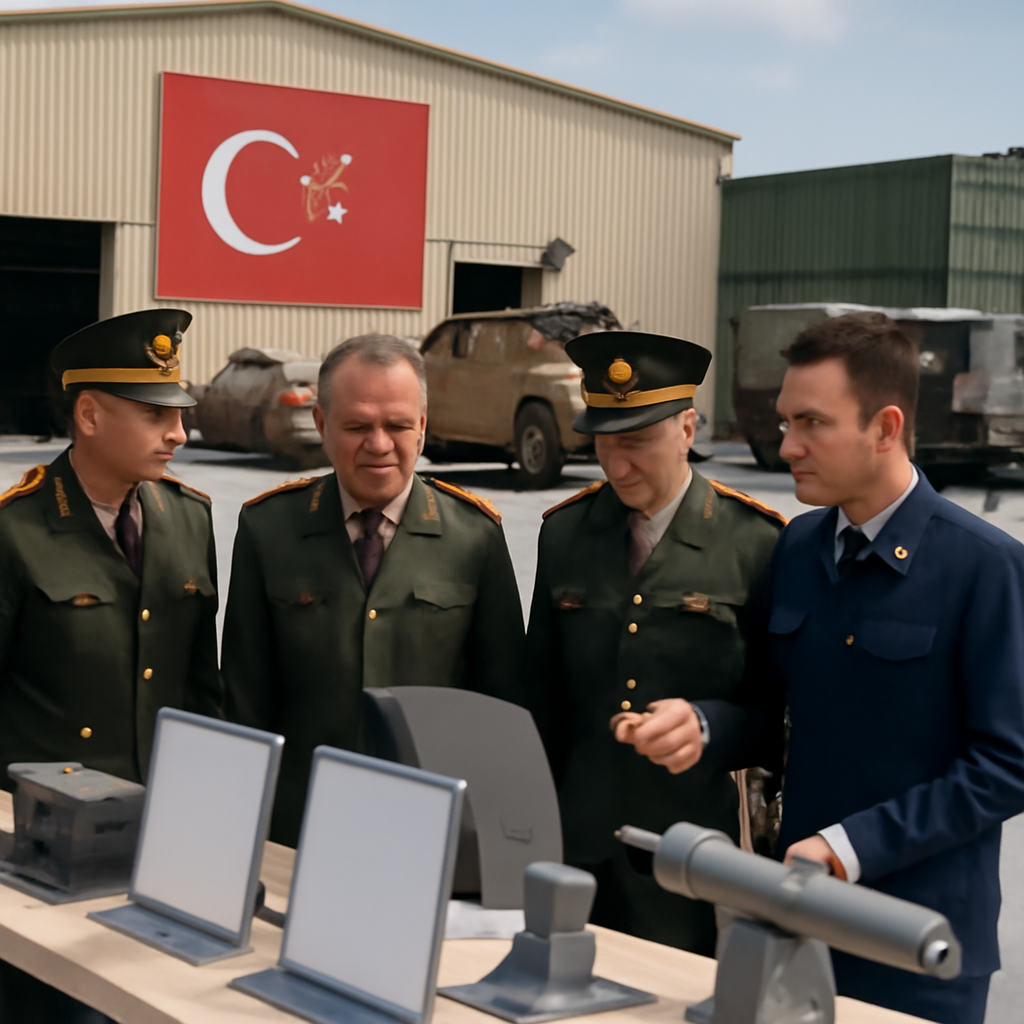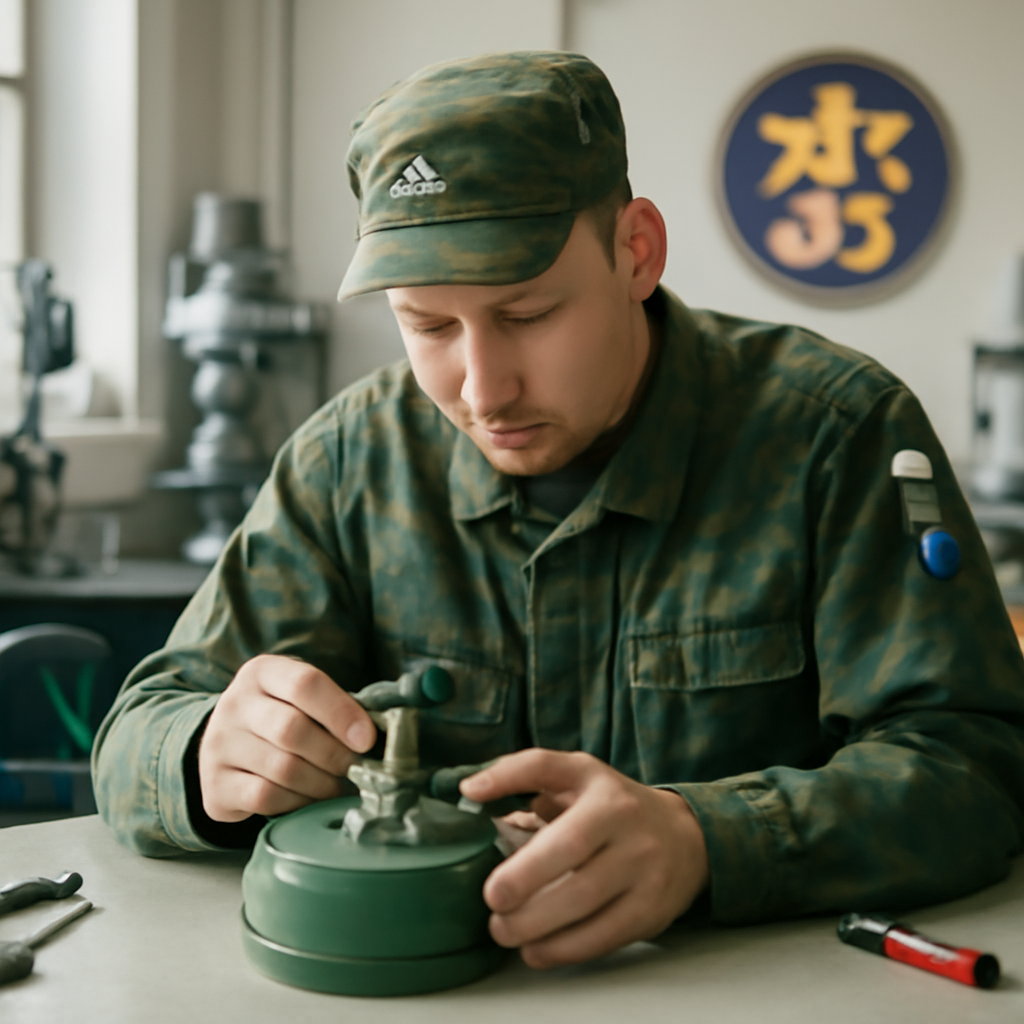
"The aim is for production of the new anti-personnel mines to begin in Finland in 2028," said Col. Riku Mikkonen, inspector of engineers for the Finnish Army Command.
Col. Riku Mikkonen on timeline and procurement
Finnish officials have moved from discussion to procurement planning. According to Col. Riku Mikkonen, a materials procurement project is in a "preparatory and market review phase" while technical specifications are being drawn up. The Finnish Defense Forces expect to issue requests for tenders soon and proceed to a competitive tendering process. At this point no contracts have been signed.
The program aims to return Finland's anti-personnel mine stockpile to its pre-2012 level — before Finland acceded to the Ottawa Convention — with the first new mines and associated training equipment expected during 2027 and production slated to begin in 2028. Overall program cost is given as approximately $110 million, with final deliveries scheduled into the 2030s.
Designs: a modern tube tripwire mine, a pressure-activated step mine, and possible cluster-type systems
The project seeks two types of domestically manufactured anti-personnel mines. The first is described as a modern tube mine activated by a tripwire trigger; the second is a pressure-activated step mine. Finnish officials also left open the possibility of procuring more technically advanced munitions in the future, explicitly including cluster-type mines "of the kind deployed by Russia in Ukraine."
The source material notes that anti-personnel mines have been widely used by both sides in the war in Ukraine and that Kyiv has received such mines as part of U.S. air packages. The materials also underline the long-standing humanitarian risks these weapons pose — they can kill or maim civilians long after hostilities end.

This site is the portfolio.
OSINTSights runs on Cloudflare Workers, D1, R2, and Vectorize, with an AI pipeline on Hetzner ARM. Nubivance designed, built, and operates it. We do the same for clients.
See what we buildStockpile, training, and the peacetime policy
Finnish defense planners intend all conscripts to be trained to employ anti-personnel mines. The Defense Forces say they will not lay anti-personnel mines during peacetime; Mikkonen reiterated that the weapons would be used only under emergency conditions. Media coverage from a February 3, 2026 media day at the Kainuu Brigade included images of two Finnish conscripts in winter camouflage installing anti-personnel mines during training exercises.
The procurement effort includes not only munitions but also associated training equipment and a broader plan to reintroduce mine-handling capability into Finland's reserve-based defense posture.
Russian military developments near Finland
The Finnish decision is presented in the context of wider Russian military reorganization and infrastructure growth near Finland's border. In 2024 Russia reestablished the Leningrad Military District, covering approaches to St. Petersburg and territory bordering Finland and the Arctic. That reorganization included formation of the 44th Army Corps in the Republic of Karelia, established in 2024 and positioned near Finland's eastern border.
Imagery cited in the material shows construction at the Lupche-Savino garrison near Kandalaksha — about 70 miles east of the Finnish border — including facilities for an artillery brigade and engineering elements. Finnish reporting also identified a separate expansion at Novaya Vilga that could hold as many as 6,000 Russian troops roughly 100 miles from the Finnish border. In addition, imagery analysis indicated a notable buildup of new Russian armor, including T-90M tanks, at the 22nd Central Tank Reserve Base, located about 450 miles from Finland's border.
What this means for conscripts, NATO eastern-flank members, and civilians
- Conscripts: The Finnish plan explicitly includes training every conscript to employ anti-personnel mines; the first training equipment is expected in 2027, and the Defense Forces envisage use only under emergency conditions.
- NATO eastern-flank members: The move follows a wider regional trend — Poland, Lithuania, Latvia, and Estonia have also moved to leave the Ottawa Convention — reflecting shared concerns about Russia's military posture and lessons from the war in Ukraine.
- Civilians and humanitarian actors: The source material underscores the longstanding humanitarian risks of anti-personnel mines, which can remain lethal long after combat ends; Finland stresses a peacetime policy of not laying such mines, but the reintroduction of these weapons raises legacy and post-conflict clearance questions.
Finland frames the reintroduction of anti-personnel mines as a defensive step tied to a national strategy of rapid mobilization, denial and delay — measures intended to make any invasion costly for an attacker. The program remains in preparatory phases: technical specifications are being finalized, tenders are pending, and no contracts have yet been signed. With first equipment due in 2027 and production aimed for 2028, the near-term timetable is set; the longer-term build-up will depend on procurement outcomes and the security environment along Finland's eastern border.
https://www.twz.com/news-features/finland-plans-to-build-a-million-landmines-as-russian-threat-looms