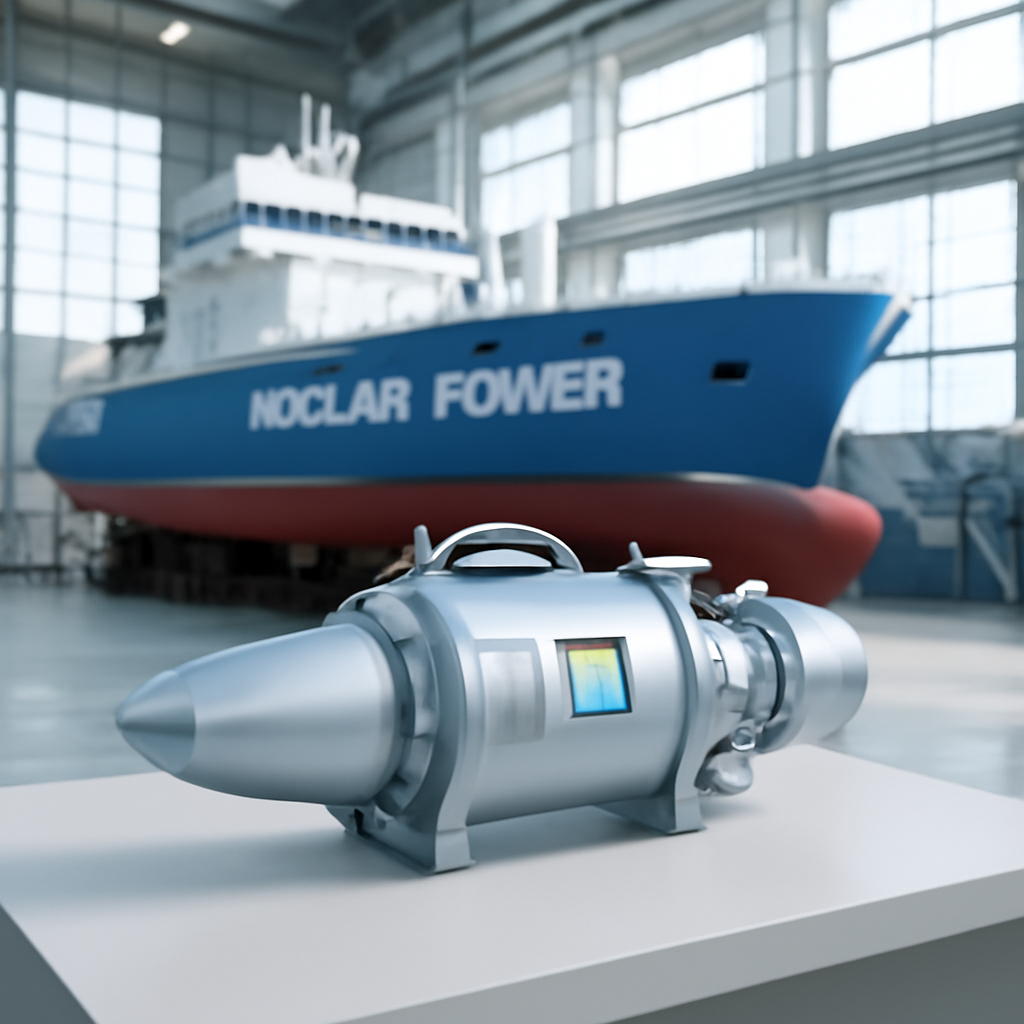
"we don’t need to wait for small reactors to be a reality on land and only then start thinking about objectives for the sea… we need to be impatient when deciding the future," Pierroberto Folgiero told reporters.
Fincantieri explores nuclear propulsion
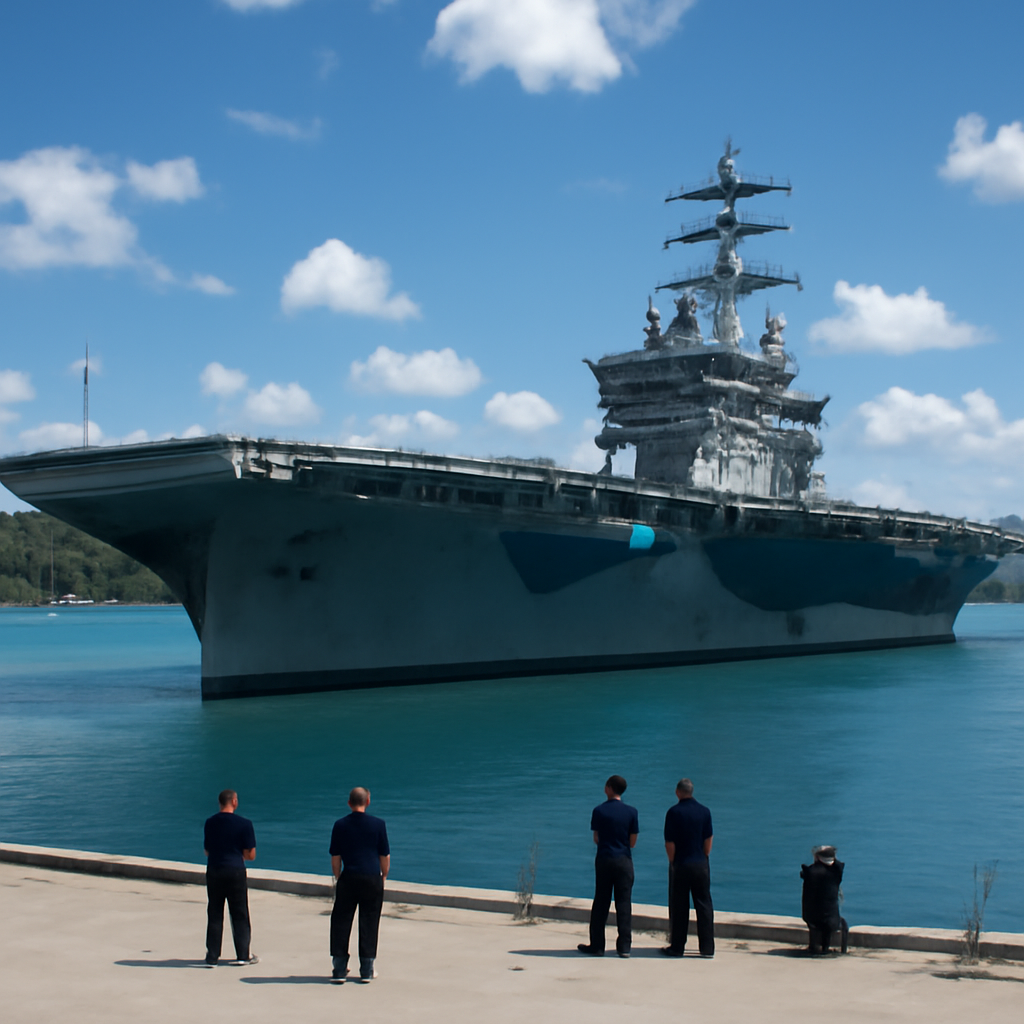
Fincantieri, Italy’s major shipbuilder, is studying the potential of designing nuclear-powered vessels, CEO Pierroberto Folgiero said during a meeting in Brussels with European Commissioner for Sustainable Transport Apostolos Tzitzikostas. Folgiero framed the work as exploratory rather than imminent—“there’s nothing right around the corner,” he told reporters at a closed-door roundtable—but emphasized active engagement with the technology.
Third- and fourth‑generation reactors and broader partnerships
Folgiero said the company has "been studying the technology, including third- and fourth-generation reactors," and is seeking partners not only for the reactor itself but "for the rest of the value chain and other components." His comments linked technical research to industrial strategy: Fincantieri is looking beyond a single component to the suppliers, systems, and integration that would follow if naval nuclear propulsion moves from study to program.

Audit-ready is a season. It shouldn't be.
Evidence in spreadsheets, controls drifting between audits, frameworks multiplying on flat headcount. Nubivance runs continuous compliance on Rapid7 Cyber GRC - SOC 2, HIPAA, ISO 27001, PCI, CMMC.
End the scrambleUnderwater telecommunications and the WSense collaboration
Separately, Folgiero described underwater telecommunications as a potential "game-changer" for naval operations and critical‑infrastructure protection. He noted a February agreement between Fincantieri and Italian firm WSense to integrate WSense’s wireless technologies into Fincantieri’s DEEP underwater drone, part of an effort the CEO said will help protect critical infrastructure. That work sits alongside Fincantieri’s interest in unmanned surface systems and command-and-control links.
Unmanned surface drones, Ukraine lessons, and command-and-control
Asked whether Fincantieri was collaborating with Ukraine’s defense industry on unmanned technologies, Folgiero shifted to what has most inspired him: the use of relatively simple unmanned motorboats and, crucially, the way Ukrainian operators manage satellite links and command-and-control "without any telecom coverage." He said Fincantieri is "very focused on surface drones" and is watching systems that can survive or bypass contested communications environments.
European Patrol Corvette (EPC) program and shared procurement
Folgiero advocated for collaborative European projects to share the costs of defense research, production and acquisition and to reduce duplication and interoperability headaches. He pointed to the European Patrol Corvette (EPC) program—now in its second phase and involving Italy, France, Spain and Greece—as an example. The EPC is envisioned as a class of corvettes to replace aging patrol vessels; Folgiero argued there is no need for national variants, saying "we don’t need an Italian corvette, a French, a Spanish, or a Danish one" and adding the analogy that "there are no Italian waves, French waves, Spanish waves… Waves are waves."
What this means for technologists, policymakers, and procurement leaders
- Technologists and security teams: Expect continued emphasis on resilient command-and-control links and underwater telecoms—areas Fincantieri is actively developing, including integrating WSense wireless technologies into the DEEP underwater drone.
- Policymakers and regulators: The exploration of third- and fourth-generation reactors for maritime use, coupled with the Italian military's study of nuclear-powered naval forces, will require early attention to oversight, safety frameworks, and cross-border coordination if partnerships proceed.
- Procurement leaders and navies: The EPC program’s second-phase work and Fincantieri’s call for shared platforms point to procurement choices favoring joint development and interoperability over national stovepipes; industrial partnerships for reactors and the broader value chain are likely to shape future acquisition timelines.
Fincantieri’s comments sketch a two-track approach: long-term technical study of maritime nuclear propulsion and near-term investment in unmanned systems and underwater communications. The company is publicly seeking partners for both ambitions while cautioning that nuclear vessels are not an immediate program. At the same time, the firm is signing concrete industrial agreements, such as the February deal with WSense, and participating in multinational efforts like the EPC program. With the Italian military studying the possibility of its first nuclear-powered naval forces, the next steps will come from partnership decisions and regulatory choices that the CEO has said the company is impatient to make.