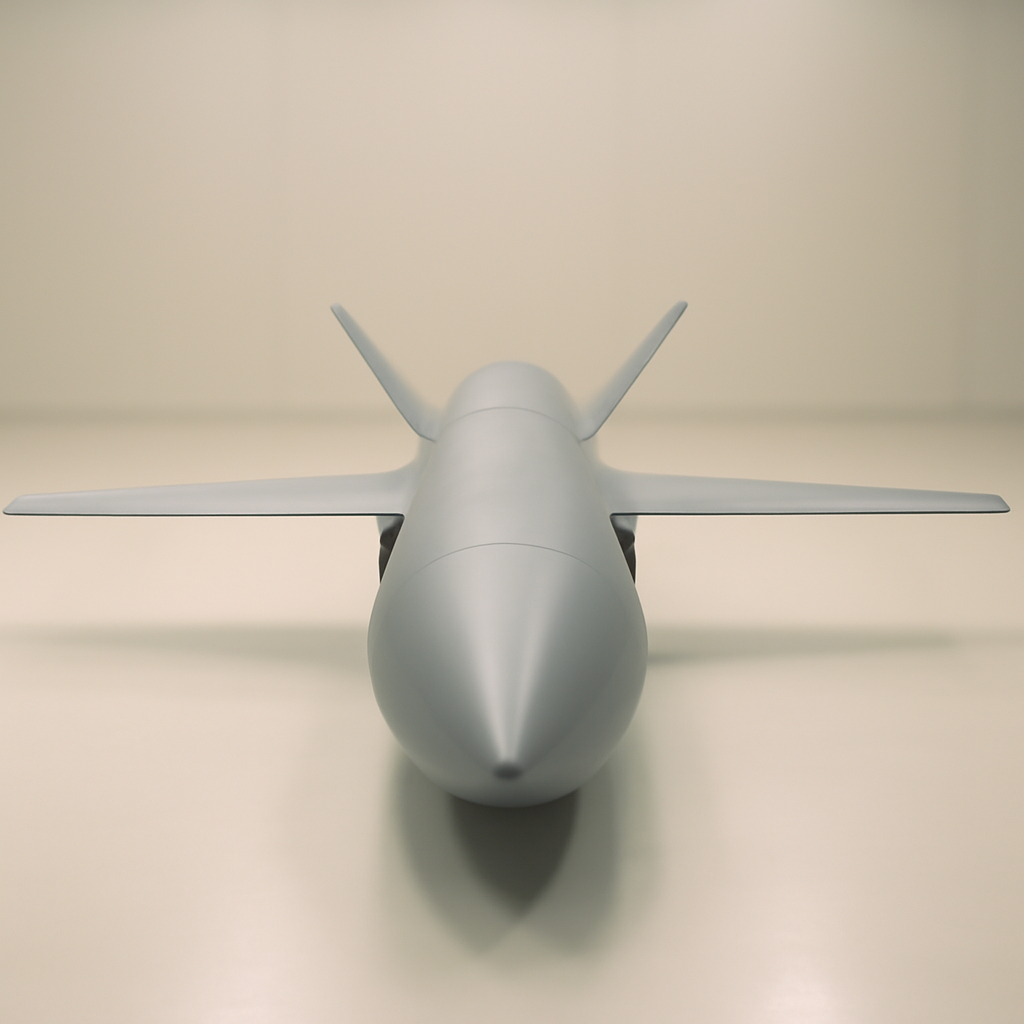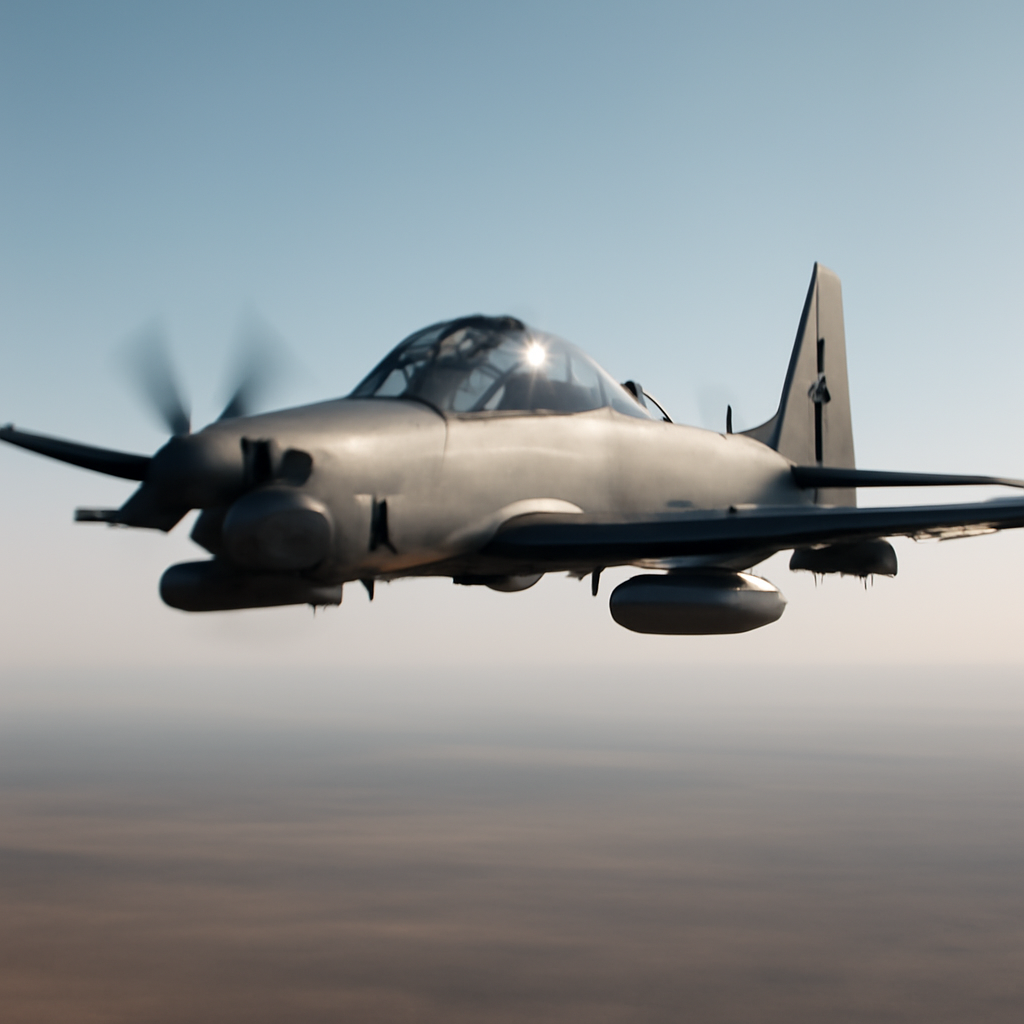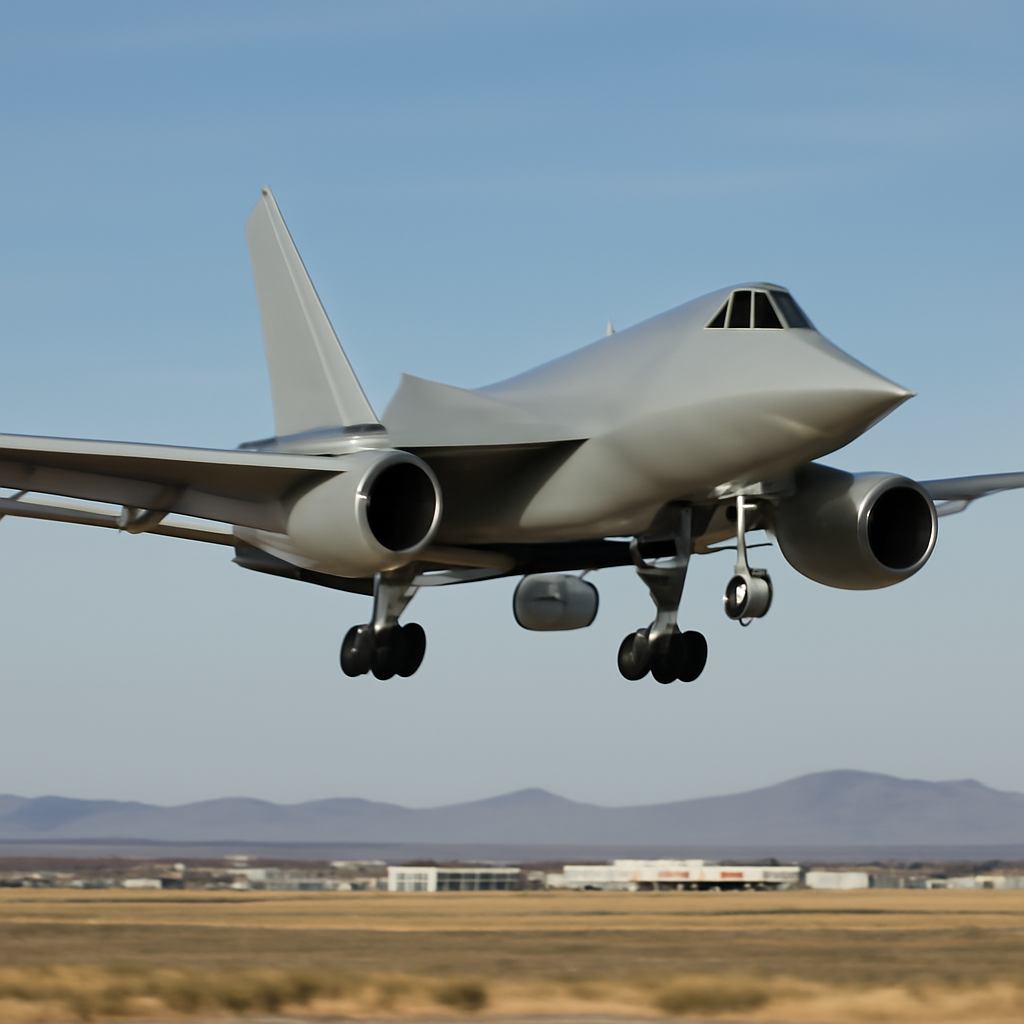
The Boeing 757 known as “Catfish” — civil registration N757A and the very first 757 ever built, which took its maiden flight in 1982 — was recently photographed carrying a stealthy under‑fuselage infrared sensor pod while approaching Edwards Air Force Base in California.
Catfish’s role and unique modifications
“Catfish” is a heavily modified Boeing 757 that has served as a systems‑integration testbed for the F‑22 since the 1990s. The aircraft’s distinctive nose profile was altered to directly replicate the Raptor’s geometry and it carries an AN/APG‑77 active electronically scanned array (AESA) radar in that nose. The 757 also features swept forewing surfaces above the cockpit that were designed to support testing of conformal antennas for the Raptor’s AN/ALR‑94 electronic support measures system and other elements of the F‑22’s fused sensor suite. The cabin is fitted with workstations and a replica of the Raptor’s cockpit to host dozens of engineers and technicians during flight testing.
The under‑fuselage infrared pod and Raptor 2.0
Photographs captured by Jerod Harris show Catfish carrying a stealthy infrared sensor pod under the forward fuselage. The pod is described in the reporting as one component of a broader “Raptor 2.0” upgrade package for the F‑22. Raptor 2.0 also encompasses new stealthy drop tanks, enhancements to stealth features, radar and electronic warfare capabilities, and other improvements detailed in the program planning.

Audit-ready is a season. It shouldn't be.
Evidence in spreadsheets, controls drifting between audits, frameworks multiplying on flat headcount. Nubivance runs continuous compliance on Rapid7 Cyber GRC - SOC 2, HIPAA, ISO 27001, PCI, CMMC.
End the scrambleWhy a 757 testbed is useful for infrared pod testing
There are several practical reasons Catfish is attractive for this kind of work. Carrying the pod beneath the forward fuselage gives the sensors a clear field of view to the front, as well as to the left, right and down. The reporting notes that the stealthy pods have been flown on actual F‑22s for years, but the service only has a limited number of Raptors available, and those jets are characterized as fuel‑hungry, maintenance‑intensive and otherwise expensive to operate. For test profiles that call for extended, level flight, a platform like Catfish can be more efficient.
Beyond endurance, Catfish’s large cabin and onboard workstations allow for in‑flight testing and evaluation by numerous engineers and technicians — a capability that smaller surrogate aircraft may lack. The piece also notes that a North American Sabreliner business jet (N33TR) has been used to test these pods in the past, and that radar testbed aircraft such as RATT55/NT‑43A have flown alongside platforms like the B‑2 during related work (tweet referenced by SR_Planespotter, July 1, 2024). Photographs by Jarod Hamilton show an F‑22 flying with the stealthy pods and drop tanks over the Mojave Desert in March 2026.
Raptor 2.0, NGAD links, and the future of Catfish
The reporting places the pod testing within a wider modernization effort: a new integrated, distributed infrared search and track capability called the Infrared Defensive System (IRDS) is planned for F‑22s under Raptor 2.0. The article summarizes IRST system traits — they detect and track targets by infrared emissions, are passive (they do not emit signals), and are immune to radio frequency electronic warfare jamming; they can be used to cue or be fused with AESA radars to produce higher‑fidelity target tracks and improved situational awareness.
Catfish has already supported work on Next Generation Air Dominance (NGAD) programs, including surrogate testing for Boeing’s F‑47 sixth‑generation fighter. The reporting notes the Air Force in 2024 said it no longer had a firm retirement schedule for the F‑22 fleet, reflecting plans to keep the Raptors in service for decades. At 44 years old, Catfish itself — and 757s in general — are becoming harder and more costly to sustain, and the article suggests Boeing is likely to consider a new, highly specialized testbed tailored to the physical geometry and avionics of the next fighter. The F‑35 family’s Boeing 737‑300–based Cooperative Avionics Testbed (the “CATbird”) is cited as an analogous dedicated test jet. The piece also notes China operates a Tu‑204C‑based testbed commonly described as a Catfish clone that has supported development of the J‑20 stealth fighter.
What this means for the Air Force test community, Boeing engineers, and F‑22 operators
- Air Force test and evaluation community: Using Catfish permits longer, more instrumented sorties for evaluating infrared pods and distributed IRST architectures without tying up limited F‑22 flight hours on endurance‑centric tests.
- Boeing and onboard engineering teams: The 757’s cabin and workstations offer a flexible environment for live integration and hands‑on troubleshooting during flights, but the airframe’s age (44 years) points toward planning for a successor testbed aligned with future fighter geometries.
- F‑22 fleet maintainers and operators: Pod testing on Catfish and other surrogates helps mature sensor capabilities — including IRDS — while conserving Raptor flying hours, but the reporting underscores that at least some Raptor aircraft remain necessary for other test regimes because the pods have been flown on actual F‑22s for years.
Catfish’s recent flight with an under‑fuselage infrared pod reinforces the aircraft’s long‑running role as a flexible flight test platform for the Raptor family. Whether the 757 will continue to shoulder that burden as the Air Force pursues Raptor 2.0, NGAD work and a future Boeing F‑47 remains a practical question: Catfish can provide time‑on‑sensor and engineer access now, but its age and the changing demands of next‑generation fighters make a purpose‑built successor likely. High‑visibility photos from Edwards AFB show the work is active; the next steps will be defined by how quickly the program translates testbed results into fieldable IRDS and other Raptor 2.0 upgrades.