“From January 2021 to January 2025 China has abandoned 51 spent rocket bodies in LEO above 650 kilometers,” a new analysis shows — a rate that more than doubled China’s total for the previous five years and concentrated an outsized share of long‑lived debris in low Earth orbit.
LeoLabs numbers: 51 rocket bodies abandoned, 2021–2025
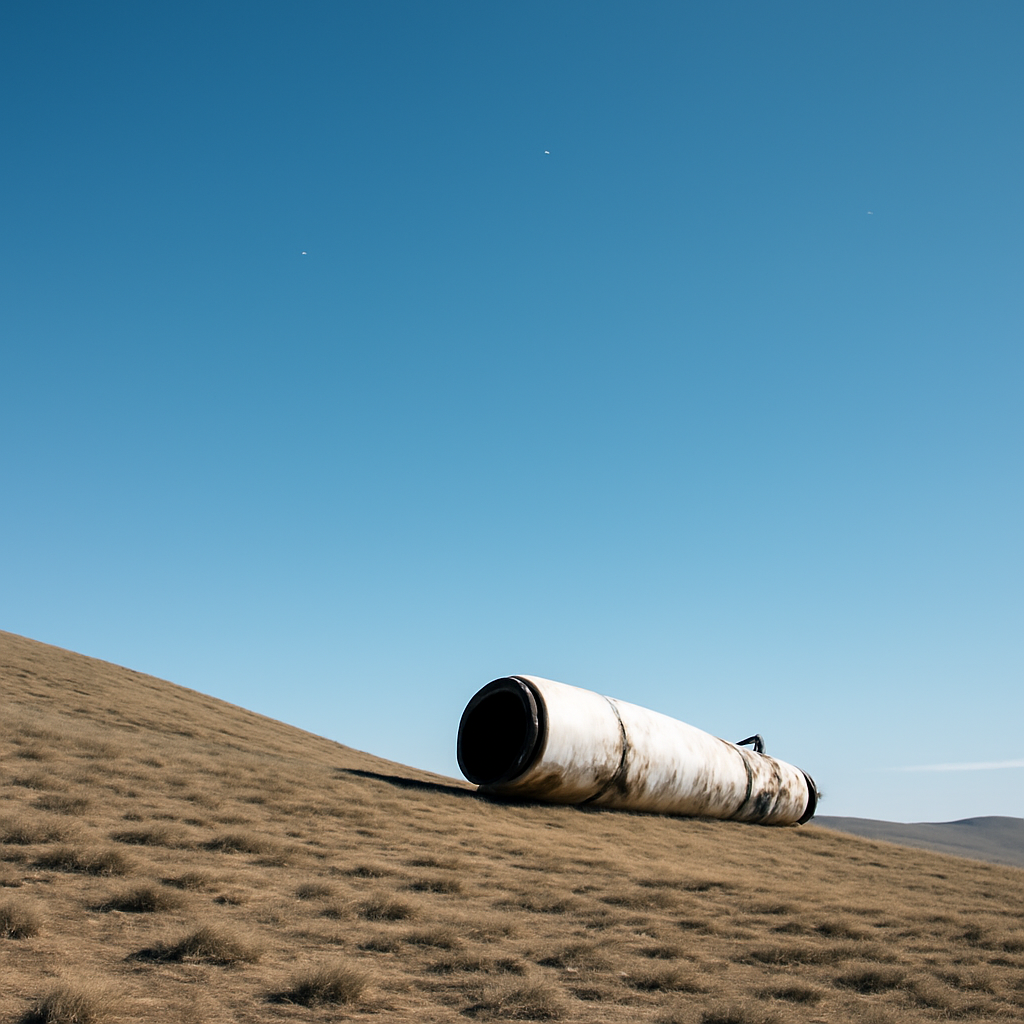
Space monitoring firm LeoLabs provided an analysis to Breaking Defense showing that between January 2021 and January 2025 China abandoned 51 spent rocket bodies in low Earth orbit (LEO) above 650 kilometers (about 404 miles). That increase brought China’s total to 96 abandoned rocket bodies in those altitudes and, LeoLabs found, accounted for 86 percent of the global number of rocket bodies left in LEO during that period — “nearly seven times more than the rest of the world combined.” By contrast, the United States left four and Russia one.
Mass and risk: three explosions and a tripling of abandoned R/B mass
LeoLabs’ analysis also documented a sharp rise in mass. The “amount of R/B mass abandoned above 650 km from China has more than tripled,” increasing from 98,000 kilograms to 305,000 kilograms, the firm reported. LeoLabs concluded that “98 [percent] of the global increase in abandoned R/B mass is from China meaning China has left over 40x the amount of abandoned R/B mass in long‑lived orbits in LEO than rest of the world combined.”
Darren McKnight, author of the LeoLabs study, explained that China’s use of larger rockets for LEO launches contributes to that mass increase, and warned of cascading danger: “This growing reservoir of massive derelict objects that have already shown a propensity to explode (i.e., three Chinese rocket body explosions over the last four years: two CZ‑6A and recent Zhuque‑2) and will linger for decades to centuries, potentially colliding with other space objects, adds an unnecessary level of uncertainty for military space actors.”

Audit-ready is a season. It shouldn't be.
Evidence in spreadsheets, controls drifting between audits, frameworks multiplying on flat headcount. Nubivance runs continuous compliance on Rapid7 Cyber GRC - SOC 2, HIPAA, ISO 27001, PCI, CMMC.
End the scrambleQianfan constellation, orbital neighborhoods, and proximity to PWSA
Victoria Samson, chief director of space security and stability at the Secure World Foundation, emphasized how the orbital placement of many of these derelicts raises specific operational risks. Samson noted that “many of the rocket bodies are at 800‑820 km; the United States’ PWSA [Proliferated Warfighter Space Architecture] is intended to operate at at an altitude of 1000 km, which means that those satellites could be at risk from these rocket bodies as they approach their operating orbits.”
Samson also highlighted the role of China’s Qianfan constellation in the recent increase. The Qianfan network, “which is being stationed on‑orbit between 800 km and 1,160 km, just hit 200 satellites, and Beijing plans to put up a total of 15,000 birds,” she said. Samson warned that “[t]his has the very real possibility that the situation will get much worse if China does not change its approach.”
International best practices, mitigation options, and Beijing’s statement
LeoLabs’ findings sit against a backdrop of internationally endorsed mitigation measures designed to limit long‑lived debris. The report notes that more than 60 nations, including China, have signed international best‑practice guidelines, and many national licensing regimes — including in the United States — require technical mitigations such as using residual fuel to lower spent stages so they re‑enter within 25 years or jettisoning stages into lower orbits early in ascent so they de‑orbit quickly. LeoLabs’ data “suggests” China is not abiding by those international best practices.
Beijing, however, told the United Nations Scientific and Technical Subcommittee of the Committee on the Peaceful Uses of Outer Space on June 11 that it follows the 25‑year debris mitigation rule “as required by its own national space‑use laws.” The Chinese embassy in Washington did not immediately respond to a request for comment for the report.
What this means for PWSA, commercial operators, and the space security community
- PWSA and military space planners: The placement of numerous derelict rocket bodies at 800–820 km presents collision risk to satellites intended to operate near 1000 km, creating a concrete hazard as satellites transit and reach their operational altitudes.
- Commercial constellation operators and Qianfan: The Qianfan rollout — 200 satellites on orbit so far and a plan for 15,000 in total — raises the probability that additional launches and abandoned stages will increase long‑lived mass in crowded orbital bands between 800 km and 1,160 km.
- Space security and debris‑mitigation advocates: The tripling of abandoned mass and the record of recent explosions heighten concerns about future fragmentation events that could generate cascades of debris, complicating operations for both military and commercial actors for decades to centuries.
The LeoLabs numbers present a clear, data‑driven snapshot: a disproportionate share of the recent increase in long‑lived rocket bodies and mass in LEO stems from a single launch program and a single nation’s operational choices. Whether Beijing’s stated adherence to a 25‑year rule will translate into different launch‑and‑post‑mission practices remains the open question — one that matters for satellites already planned to operate in and pass through the affected orbital bands.