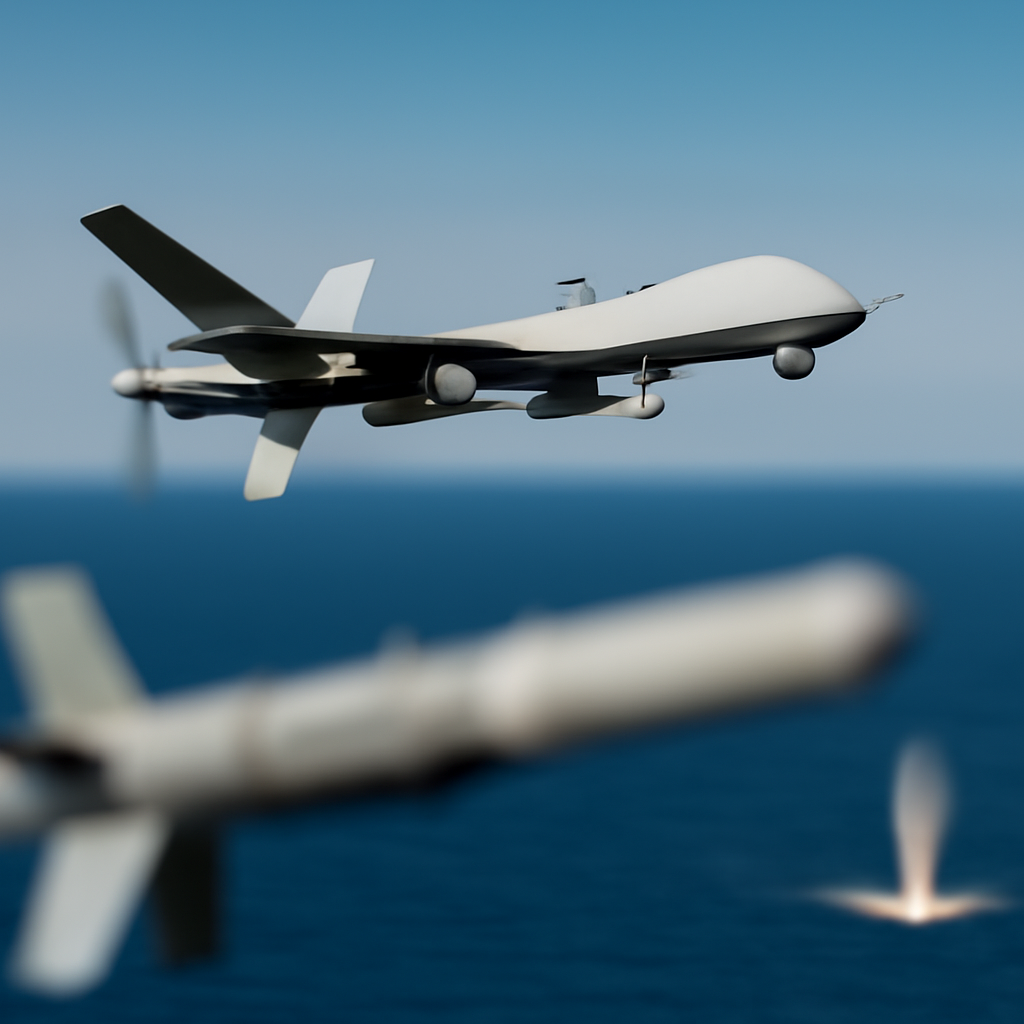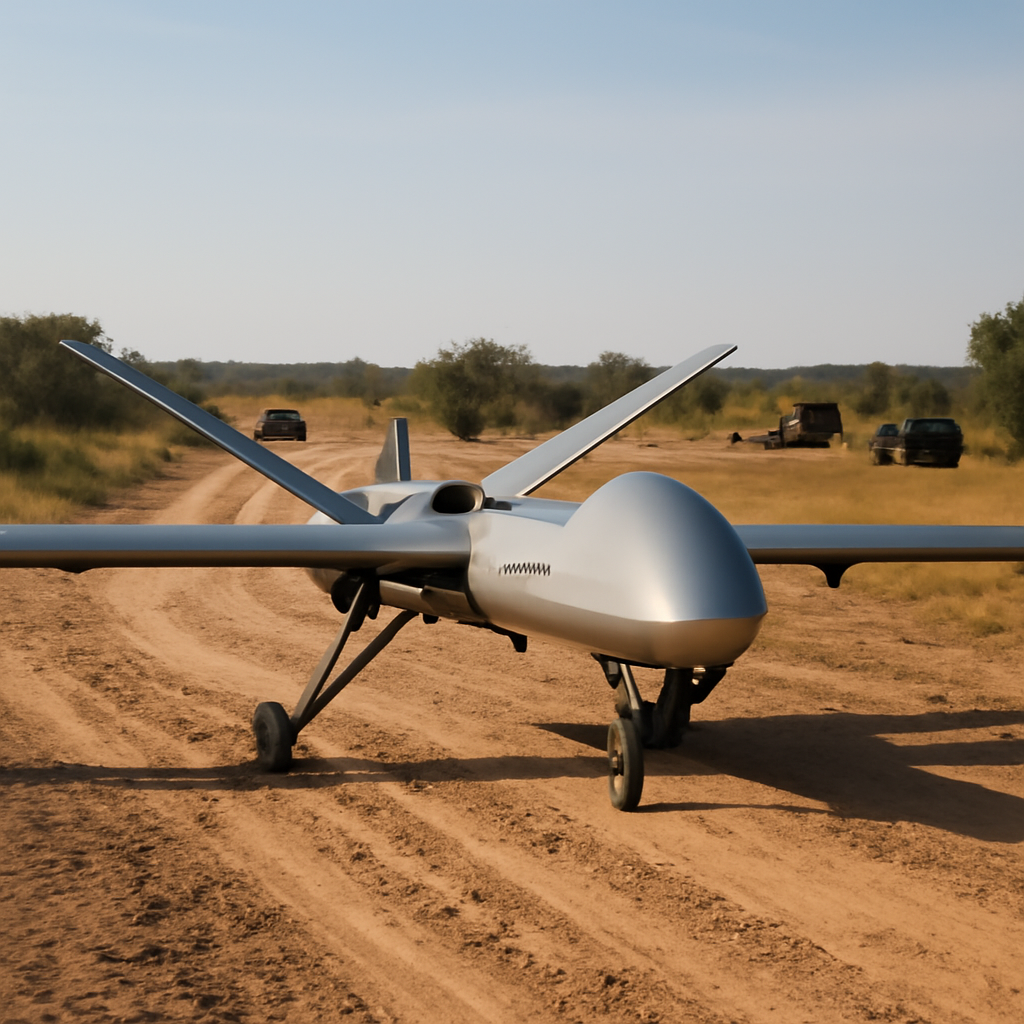
The original XP‑55’s rear‑mounted pusher engine wasn't just an eccentric flourish: moving the propeller behind the pilot gave a clean, wide forward view and freed up the entire nose for concentrated firepower, the blog observed — "tighter shot grouping, simpler harmonization," in the author's words.
Photos circulating on the Chinese internet
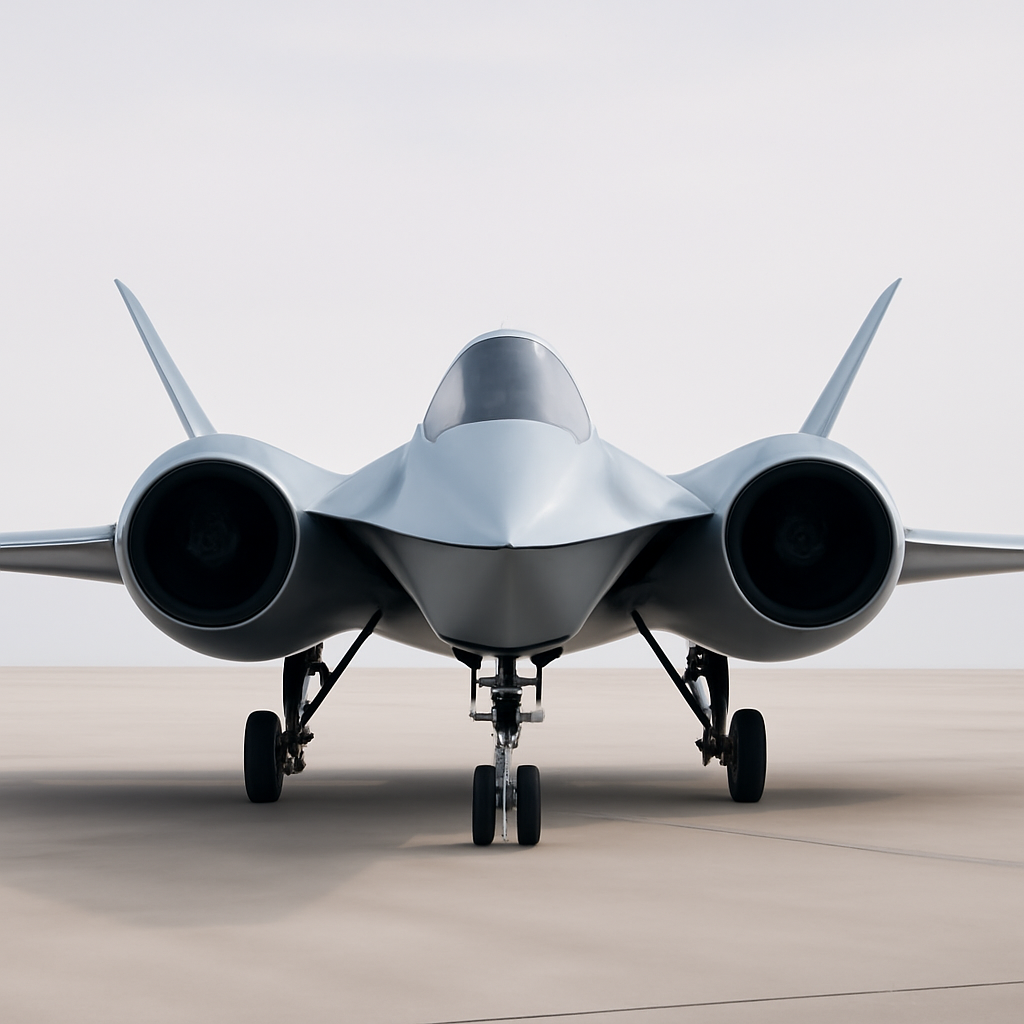
New photographs posted online in China have prompted a burst of commentary abroad. The images — as reported in a recent blog post — show an unconventional layout that the author likens to the Curtiss‑Wright XP‑55 Ascender, but with a conspicuous difference: the concept appears to have been doubled, with twin engines replacing the single pusher found on the XP‑55.
The blog describes the reveal as a visual echo rather than a confirmed lineage: "Borrow the concept, double the engines, mission accomplished," the piece quips, emphasising that the comparison rests on photographs circulating on social media rather than formal releases or technical documentation.
Design echoes of the Curtiss‑Wright XP‑55 Ascender
The post points to a specific design feature that invites comparison: the rear‑mounted pusher engine of the XP‑55. That arrangement, the author notes, delivered practical benefits on the original aircraft by clearing the front fuselage for weapons and improving the pilot's forward visibility. The blog calls the XP‑55 a "strange design, sure, but hardly a foolish one," suggesting that the historic layout has an engineering logic that could plausibly inspire later experiments.
The blog also signals the novel twist visible in the photos: rather than one rear pusher, the photographed layout appears to apply the same conceptual idea with two engines. The author characterises this as an instance of applying a known concept twice over — a doubled pusher configuration — but stops short of asserting provenance or purpose.

Audit-ready is a season. It shouldn't be.
Evidence in spreadsheets, controls drifting between audits, frameworks multiplying on flat headcount. Nubivance runs continuous compliance on Rapid7 Cyber GRC - SOC 2, HIPAA, ISO 27001, PCI, CMMC.
End the scrambleHow the author frames possible explanations
The post offers three possibilities for how the resemblance might have arisen. First, it could be an intentional archival inspiration — a deliberate revisiting of a historic layout. Second, it could be coincidence: convergent engineering choices arriving at similar silhouettes. Third, it might simply be engineers entertaining themselves with an unconventional layout. The post is explicit that, at present, "there’s no way to know for sure."
In tone the blog treats the images less as a technical brief and more as a curiosity — "entertaining to watch as more details of this program surface" — while acknowledging the absence of confirming information beyond the photographs themselves.
What this means for China‑watchers, Western commentators, and Chinese engineers
- China‑watchers will likely catalogue the photos as a data point and wait for additional evidence before drawing firm conclusions; the blog describes the day overall as "very quiet" apart from this oddity, suggesting that observers are parsing small signals in a calm reporting window.
- Western commentators — the post references a "certain corner of Western commentary" that reduces Chinese design choices to a simple formula — may use the images to revisit or refine that narrative, though the author implies such shorthand can be too reductive for a single photo set.
- Chinese engineers, in the blog's framing, may simply be experimenting: the author allows for the possibility that the configuration is an expression of engineers "entertaining themselves with unconventional layouts," rather than evidence of a broader doctrinal shift.
Final observation
The photos have produced a neat rhetorical line for observers: take a distinctive historical concept — a rear pusher — and apply it in a new way by doubling the engines. The blog treats that line as as much provocation as proof. For now, the images are a visual curiosity that invites questions rather than answers: are they a deliberate archival revival, a coincidental convergence, or an engineer's whim? Absent further technical detail, the author leaves the question open and watches as "more details of this program surface."