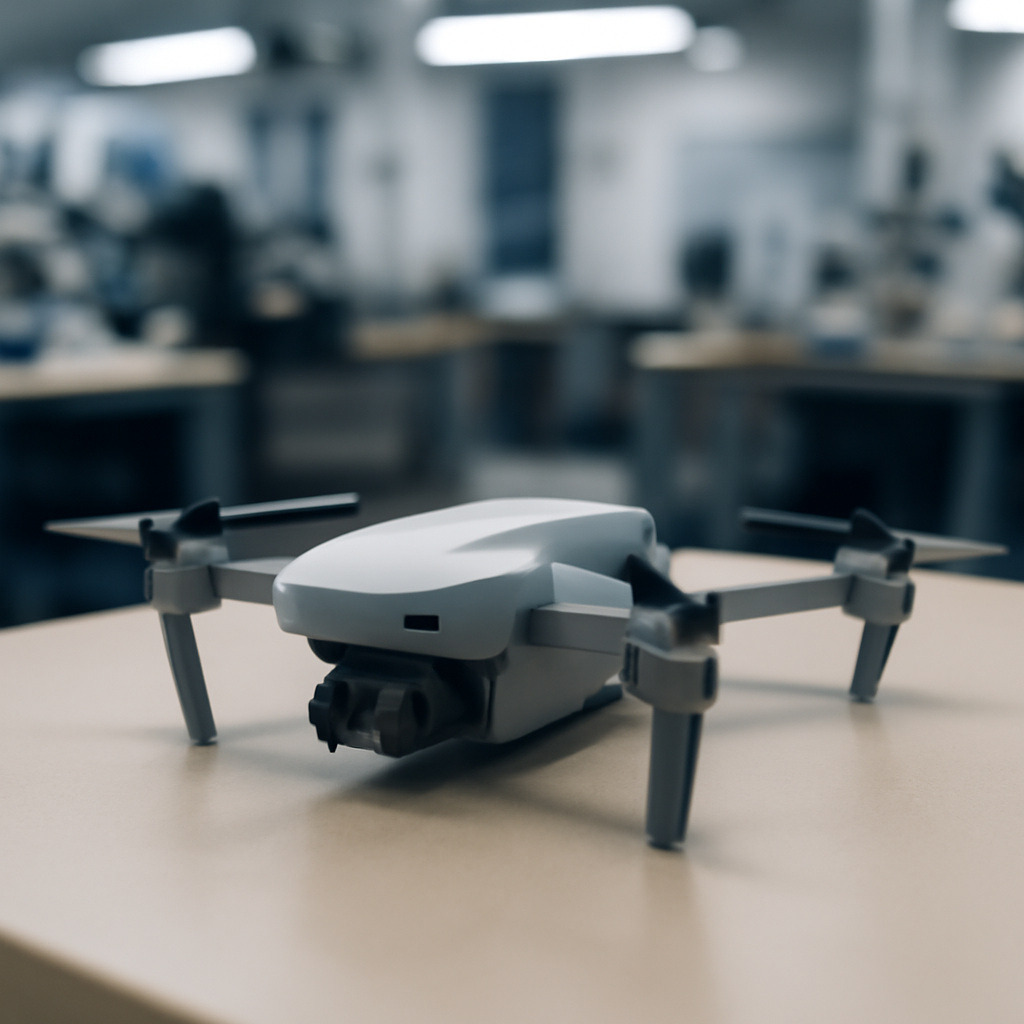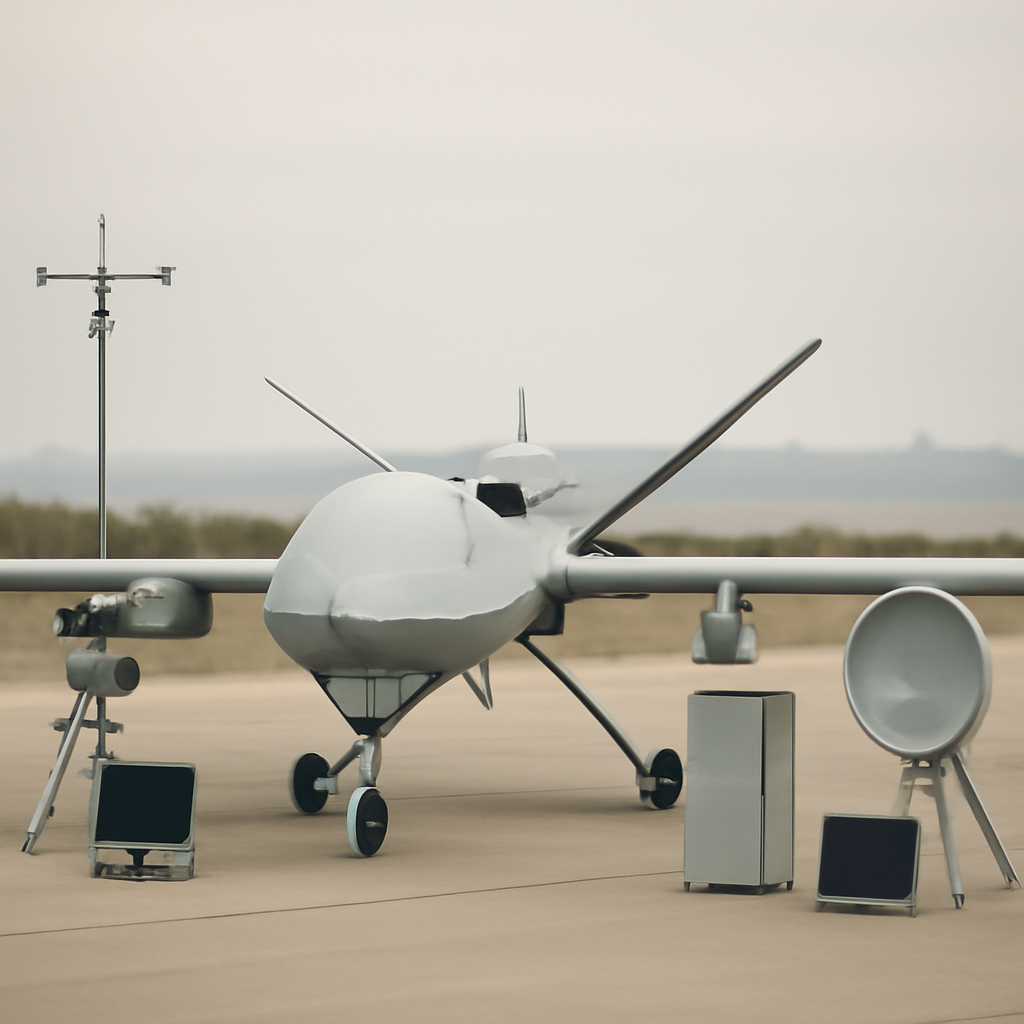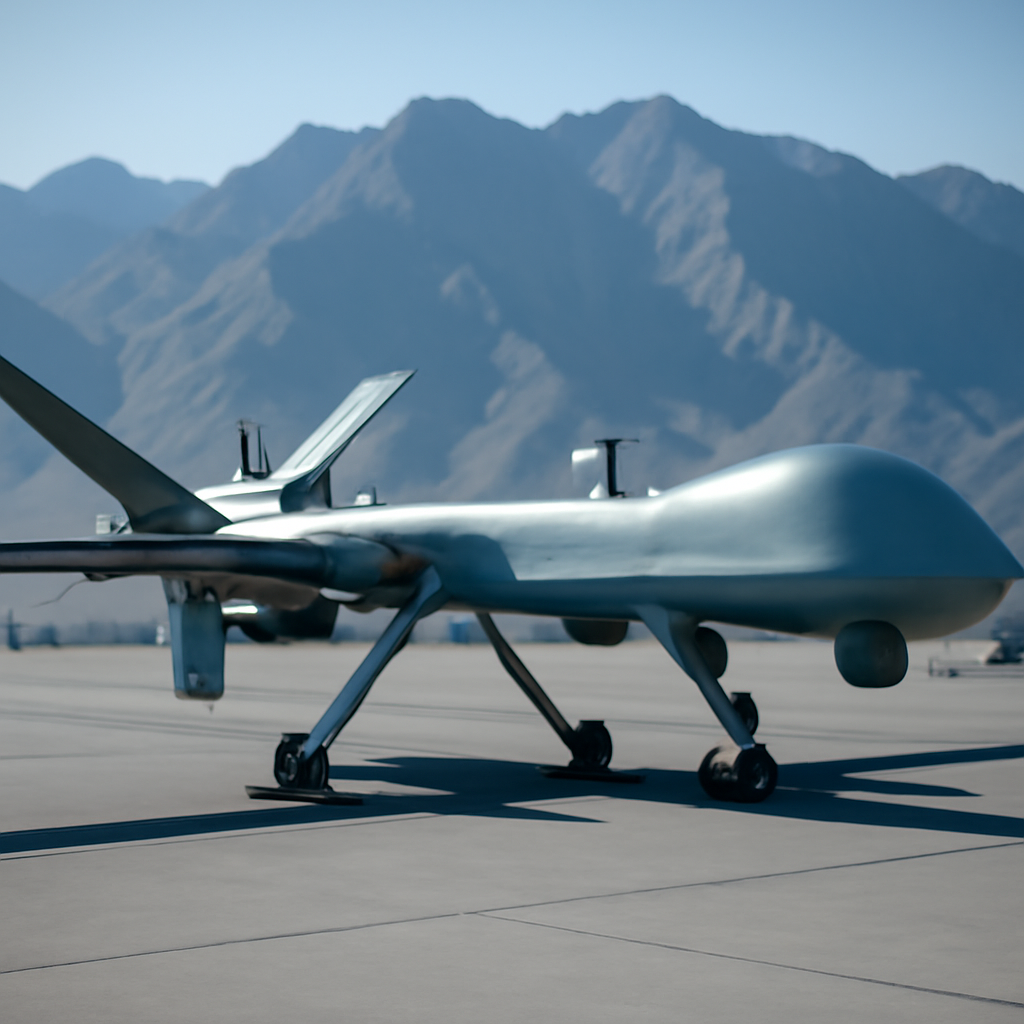
The Yunlong‑1P climbed to 8,500 meters during recent trials that operated from a 3,535‑meter airfield — a concise demonstration of what the manufacturer calls a rugged, high‑altitude capability built for places where manned flight is “dangerous and expensive to operation.”
Chengdu Zongheng Technology Co., Ltd.'s Yunlong‑1P: basic facts
The Yunlong‑1P (云龙‑1P) is presented as China’s latest entry in the “one‑ton class, high‑altitude, fixed‑wing drone” category. According to the report, the airframe first flew on January 27th, 2026, and in recent trials climbed to 8,500 meters after operating from a 3,535‑meter airfield. Visually and functionally it is described as a cost‑optimized twin‑boom UAV with a secondary military role.
Design features and operational envelope
The platform combines a set of modern, pragmatic subsystems: SATCOM for long‑range control, a quoted 4,500‑meter takeoff capability, an indigenous anti‑icing system to keep leading edges warm, and a standard EO/IR turret. The post frames these as features aimed at “rugged, high‑altitude environments” — locations where, the author suggests, manned aviation is at a disadvantage. The post also notes that rockets fitted to the airframe can be “duel used” for both civilian and military applications.

This site is the portfolio.
OSINTSights runs on Cloudflare Workers, D1, R2, and Vectorize, with an AI pipeline on Hetzner ARM. Nubivance designed, built, and operates it. We do the same for clients.
See what we buildMarket strategy: flood the zone and let consolidation follow
The Yunlong‑1P is described not as a lone innovation but as one among many low‑cost UAVs emerging from a broad Chinese supplier base. The report names Chengdu Zongheng Technology Co., Ltd. as the manufacturer and says dozens of other companies are “rolling out UAVs using off‑the‑shelf configurations, low‑cost avionics,” following a business model summarized by the blog as “build it, ship it, and hope someone buys enough to keep the lights on.”
That strategy is characterized as deliberate: produce high volumes at low price, push down costs, and allow the domestic ecosystem to consolidate around survivors. The author calls the result “not always elegant, but brutally effective,” using the Yunlong‑1P as the latest example of this pattern.
SATCOM, anti‑icing and dual‑use hardware: targeting a specific environment
Taken together, the Yunlong‑1P’s technical choices — satellite communications, anti‑icing, EO/IR payloads and a reportedly high takeoff/operational ceiling — point to operations in thin‑air, cold weather environments. The blog explicitly links that profile to what it calls “high‑altitude environments,” and adds the author’s assumption that such capability is aimed at Tibet. That linkage is presented in the post as the author’s reading of the platform’s intended operating conditions.
What this means for technologists, policymakers, and procurement leaders
- Technologists and security teams: Expect an expanding set of widely available, low‑cost fixed‑wing designs that include SATCOM and modular payloads; these are described as off‑the‑shelf configurations that could be adapted quickly to different missions.
- Policymakers and regulators: The blog frames a market effect — many small manufacturers producing cheaply and at scale — that will likely compress prices and force a consolidation cycle within the domestic supply base.
- Procurement leaders and end users: The post implies a tradeoff — access to inexpensive, rugged high‑altitude platforms versus uncertainty over long‑term support as smaller vendors “hope someone buys enough to keep the lights on.”
In the author’s closing phrasing, the Yunlong‑1P is “just the latest mushroom to pop up after a summer rain” — a succinct image for an industrial strategy that favors volume, low cost and market Darwinism over bespoke engineering elegance. For observers, the immediate record is simple: a January 27th, 2026 first flight, trials from a 3,535‑meter airfield and a climb to 8,500 meters, coupled with practical subsystems for long‑range, cold, high‑altitude operations. How many more such “mushrooms” appear, and which suppliers consolidate into the survivors the post describes, are the concrete next moments to watch.
https://china-defense.blogspot.com/2026/06/capitalism-with-chinese-characteristics.html