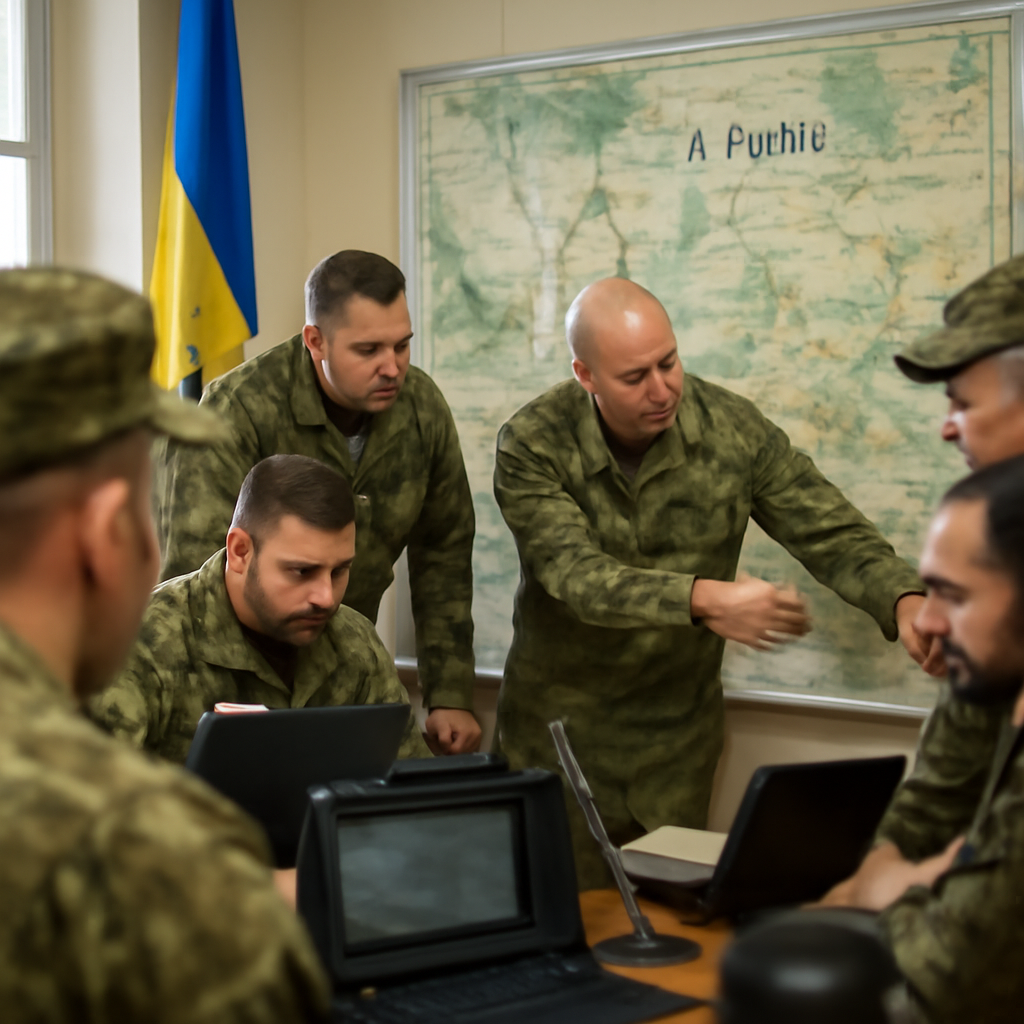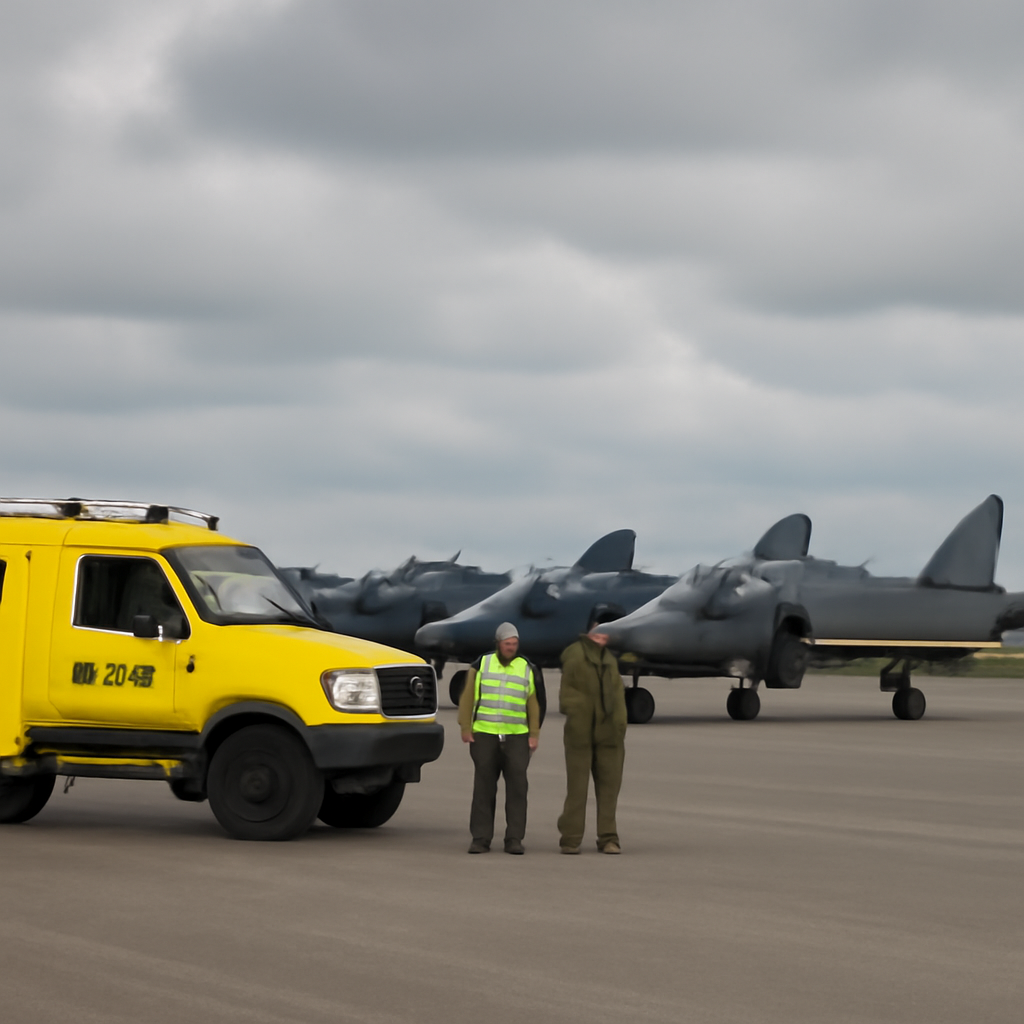
In November 2025, a militia twin‑35mm anti‑aircraft gun detachment from the Shandong Provincial Military District conducted live‑fire drills in Laizhou Bay.
People's Militia shifting from Cold‑War roles to air‑defense duties
Recent reporting and online posts collected on the China‑Defense blog describe a clear trend: China’s People's Militia is increasingly shown manning air‑defense systems and conducting drills focused on counter‑drone warfare. The blog traces a long arc — from propaganda photos of the late 1990s showing militia armed with Type 56 carbines, Type 56 rifles, Type 56 light machine guns and, for a few, Type 56 field guns, to contemporary images and reports of modern systems in militia hands.
Those contemporary systems, according to the posts, include HN‑6 (Hongying‑6B) man‑portable air‑defense missiles (MANPADS) and PGZ‑09/PG99 twin 35 mm anti‑aircraft guns capable of firing AHEAD ammunition. A December 2025 report is cited as showing PG99 towed twin‑35mm guns issued to a Liaoning Province militia anti‑aircraft artillery unit.
Concrete exercises: Shandong’s live‑fire drills and Liaoning equipment issue
The November 2025 Laizhou Bay live‑fire event and the December 2025 Liaoning reporting provide the most tangible examples cited. The blog notes the Shandong Provincial Military District’s militia detachment conducted live firing with twin 35 mm guns, while a separate December 2025 report showed a Liaoning militia unit equipped with PG99 towed twin‑35mm anti‑aircraft guns.
Those data points are presented as part of a broader pattern: locally based crews operating air‑defense assets to protect fixed civilian infrastructure rather than serving in large‑scale, front‑line mass‑mobilization roles from the Cold War era.

This site is the portfolio.
OSINTSights runs on Cloudflare Workers, D1, R2, and Vectorize, with an AI pipeline on Hetzner ARM. Nubivance designed, built, and operates it. We do the same for clients.
See what we build“Return of the PG59”: nostalgia, practicality, and a public debate
On July 4, 2026, the blog ran a piece called “Return of the PG59 — China’s Nostalgia‑Powered Air Defense Debate,” describing a lively discussion on Chinese milblogs about recommissioning the Soviet‑era PG59 57 mm anti‑aircraft gun. Proponents argue that, with Taiwan’s defense strategy described in the discussion as increasingly drone‑centric, older 57 mm guns could be modernized—bolted to a modern fire‑control system—to provide a low‑cost point‑defense option against long‑range drone attacks on logistics and depots.
The counterargument, also summarized by the blog, focuses on manpower and training: who will man these guns, how will they be trained, and whether reintroducing a crewed, labor‑intensive system fits with decades of modernization that moved away from manpower‑heavy solutions. The blog characterizes the revival proposal as “romantic” but questions its practicality.
Ukraine, drones, and why Chinese planners are looking skyward
The blog points to the war in Ukraine as a visible driver of the debate: drones, the posts argue, have pushed the air threat far deeper into rear areas than many planners expected. The emphasis shifts from expensive missiles and fighters to cheaper quadcopters, one‑way attack drones, and the tactical requirement of protecting targets well behind front lines.
From that perspective, assigning People's Militia units to local air‑defense and counter‑drone missions is framed not as a revival of a Cold War mass‑mobilization role but as an adaptation of territorial defense — “the mission is still territorial defense, but instead of looking for Soviet tank armies on the horizon, they are looking up,” the blog writes.
What this means for provincial military districts, infrastructure managers, and Chinese milbloggers
- Provincial military districts: May increasingly task locally based militia crews with operating MANPADS and twin‑35mm guns to protect fixed installations, and will need to budget for training and sustainment of those systems.
- Infrastructure managers (power stations, communications nodes, railway depots, ports): Should expect a growing emphasis on proximate air‑defense measures and may be part of planning for local protection, according to the blog’s examples.
- Chinese milbloggers and online military enthusiasts: The blog highlights this community as an active forum for debating both high‑tech and legacy concepts — from hypersonics to recommissioned PG59 guns — and notes their debates sometimes surface proposals that attract wider attention.
The picture painted in the China‑Defense posts is one of incremental adaptation rather than dramatic reversal: locally based militia are being portrayed as a pragmatic layer of point defense for fixed, high‑value civilian infrastructure, equipped with modern MANPADS and twin‑35mm guns in some provinces, while online debates keep both innovative and nostalgic options alive. Whether those local defenses will be scaled, sustained, or integrated into broader air‑defense networks depends on training, logistics, and the practical questions the blog raises about manpower and doctrine.