[SPONSOREDNUBIVANCE]
Know a small business winging it on security?
No IT department, no security budget, real exposure. Nubivance builds right-sized security foundations for small companies. Send them this.
Send it along
Senate Minority Leader Chuck Schumer is sounding the alarm on the urgent need for stronger AI cyber defenses, warning that there's a high-stakes race between cybersecurity defenders and AI-enabled hackers. He’s pressing the Department of Homeland Security to team up with state and local governments to stay ahead of rapidly evolving threats.

A contractor's reckless actions led to the destruction of dozens of federal databases, showcasing a staggering disregard for the security and integrity of sensitive government information. After being terminated on February 18, 2025, the contractor and his twin brother intentionally caused chaos by accessing computers without authorization and deleting crucial data.

A single click on Claude Code's generic dialog can unleash a major security risk, allowing an unsandboxed Node.js process to spawn with full user privileges. This vulnerability can be exploited using just two common JSON files, putting developers at risk of one-click remote code execution.

In a shocking test, Kaspersky researchers cracked 60% of 231 million MD5 password hashes in under an hour using just one high-powered graphics card, revealing the alarming vulnerability of even the most seemingly secure passwords. This unsettling experiment highlights the urgent need for stronger password protection.
Even a seasoned expert like Roger Grimes, CISO advisor at KnowBe4, has fallen victim to the pitfalls of weak passwords - in a surprising turn of events, he recalling a time when he accidentally gained access to a client's network using the password "rosebud", famously lifted from a film plot.

A defense contractor's careless API flaw left sensitive military training data vulnerable, sparking a 152-day saga between the contractor and the open-source security project Strix that ultimately led to the exposure being patched. The breach was caused by a low-privilege account having broad access to user records and training materials due to lax authorization checks.

Google is stepping up its game to keep your Android apps safe with a new public verification ledger that ensures the Google apps on your device are genuine and exactly as intended. This move builds on its Pixel Binary Transparency feature, now expanding it to all Android production apps.

The AI hacking landscape has reached a major milestone: two top AI models, GPT-5.5 and Anthropic's Mythos Preview, have demonstrated nearly identical capabilities in a rigorous 95-task cybersecurity evaluation, with scores of 71.4% and 68.6% respectively. This parity marks a significant tipping point in the development of AI-powered hacking tools.
No IT department, no security budget, real exposure. Nubivance builds right-sized security foundations for small companies. Send them this.
Send it along
Google just supercharged its bounty program, offering up to $1.5 million for the most elusive Android exploits that require top-notch technical skills to pull off. The biggest prizes go to zero-click, full-chain exploits with persistence, highlighting Google's focus on tackling the toughest security challenges.

A staggering 2 million hosts and 1 million exposed services were uncovered through a simple scan of certificate transparency logs, revealing alarming security gaps in AI infrastructure. The findings painted a concerning picture: most AI projects lack even basic authentication, leaving them vulnerable to exploitation.

A pharmacist in Maryland has been indicted for allegedly spying on nearly 200 coworkers and individuals over eight years using cyber tools, breaching trust and violating digital boundaries. Matthew Bathula faces federal charges for unauthorized computer access and aggravated identity theft.

The AI revolution is transforming technology like never before, and Evinova is at the forefront, shifting from annual penetration testing to continuous security validation to safeguard its cloud-native healthcare software. This bold move replaces traditional point-in-time assessments with ongoing validation, ensuring rock-solid security for its customers.

Microsoft has patched a vulnerability in Entra ID that allowed hackers to hijack service principals, potentially leading to full takeover of sensitive systems. A security researcher discovered the flaw, which stemmed from overly broad permissions in the Agent ID Administrator role.

Senators Maggie Hassan and Jim Banks are demanding answers from Navigate360 after a cyberattack compromised its anonymous tip line, putting the sensitive data of students, staff, and schools at risk. The breach allegedly exposed 93 gigabytes of data, sparking concerns over the safety and security of those who rely on the company's services.

Meet Pedro de Ayala, a 15th-century diplomat who took infosec to new heights by encrypting sensitive royal gossip with clever symbols - only to have his secrets cracked 500 years later by some codebreaking academics. His creative encryption method, which combined symbol substitutions with deliberate omissions, kept his messages safe from prying eyes for centuries.

Meet Evan Tangeman, a 22-year-old crypto launderer who lived large on stolen millions, racking up half-million-dollar nightclub tabs and luxury cars, before getting sentenced to 70 months in prison for his role in a $230M heist. His lavish lifestyle, fueled by greed, came crashing down with a guilty plea and a lengthy prison term.
Evidence in spreadsheets, controls drifting between audits, frameworks multiplying on flat headcount. Nubivance runs continuous compliance on Rapid7 Cyber GRC - SOC 2, HIPAA, ISO 27001, PCI, CMMC.
End the scramble
Imagine having the power to replicate a full year’s worth of manual penetration testing in just three weeks - that's the reality with frontier AI, which has exposed significant gaps in traditional security programs. Palo Alto Networks and Unit 42 have revealed that advanced models like Anthropic Mythos can autonomously identify software vulnerabilities and adapt to defensive controls in near-real-time.
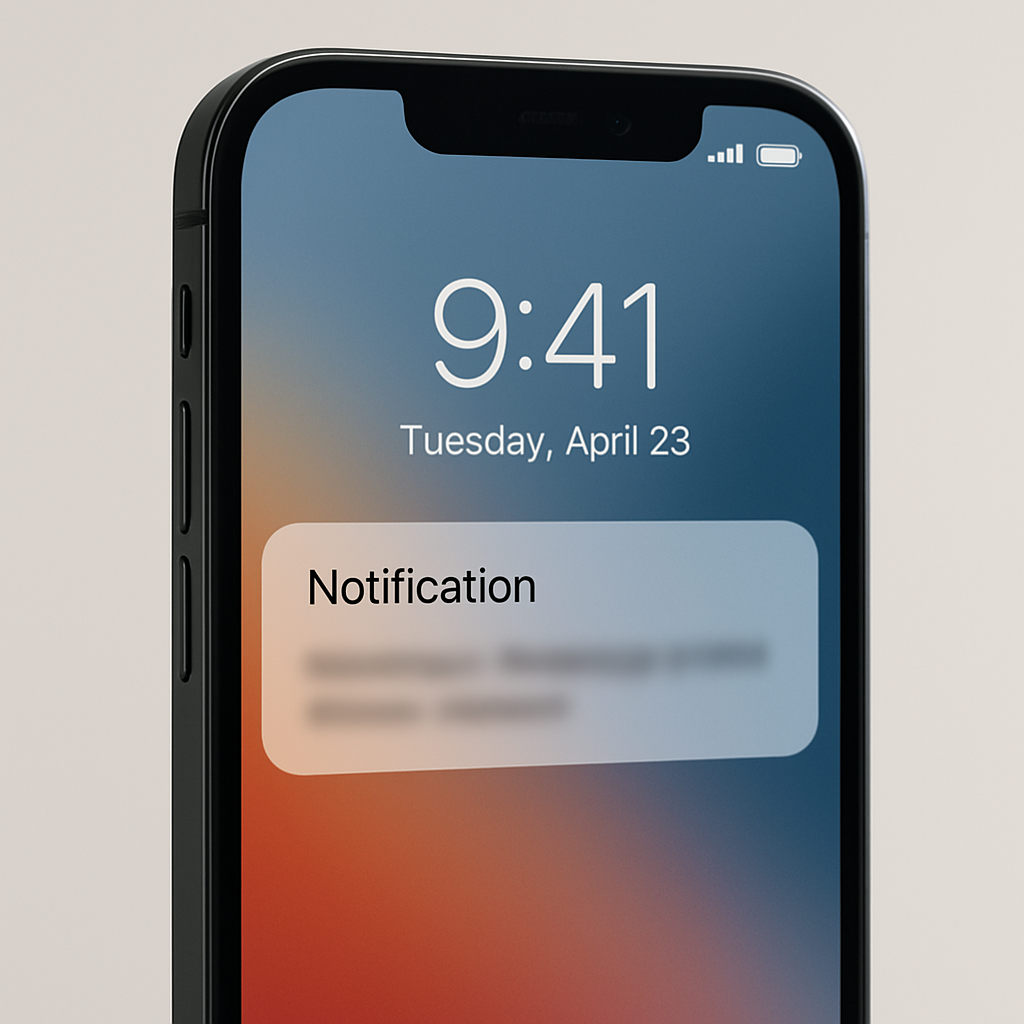
In a surprising forensic discovery, the FBI was able to extract Signal messages from an iPhone's notification database, even after the app was deleted, by exploiting a loophole that stores message previews on the lock screen. This finding raises significant concerns about iPhone users' message security.

Enterprises are in grave danger of being hacked through their Wi-Fi networks, as newly discovered AirSnitch attacks can bypass WPA2 and WPA3-Enterprise encryption, exposing sensitive credentials and backend systems to both insider and remote threats. This critical vulnerability undermines the very foundations of wireless network security.

While security teams obsess over complex threats, attackers often find it easier to simply walk in with stolen credentials - the quickest and most reliable way into networks. By focusing on sophisticated threats, we might be overlooking the front door, which is wide open with a copy of the keys in the wrong hands.

Google's top-of-the-line Antigravity AI safeguard can be surprisingly easily tricked into letting its guard down, leaving the door open for attackers to execute remote code. Even with its highest security setting, the AI agent manager's weaknesses can be exploited, putting users at risk.

In a major breakthrough, Tyler Robert Buchanan, a senior figure in the notorious Scattered Spider cybercrime group, has pleaded guilty to federal charges, bringing an end to his digital crime spree. Buchanan admitted to conspiracy to commit wire fraud and aggravated identity theft in a US federal district court.

Mythos can dazzle with its ability to uncover vulnerabilities and chain exploits, but the real challenge lies in harnessing its power through robust AI cybersecurity pipelines that deliver lasting value across an organization. It's time to shift from showcasing AI capabilities to building the engineering and governance scaffolding that turns promise into practical utility.

Google is taking a giant leap in protecting user privacy and cracking down on fraud, having blocked over 8.3 billion ads and suspended 24.9 million accounts in a single year. This bold move is part of a broader effort to reshape how apps handle sensitive data, with a focus on transparency and security.