"Ugh, so Pedro de Ayala was basically doing 15th-century infosec, huh? Encrypting royal gossip with a bunch of goofy symbols only for it to get cracked 500 years later by some academics LARPing as codebreakers." — a commentator in the source
Pedro de Ayala’s deliberate secrecy
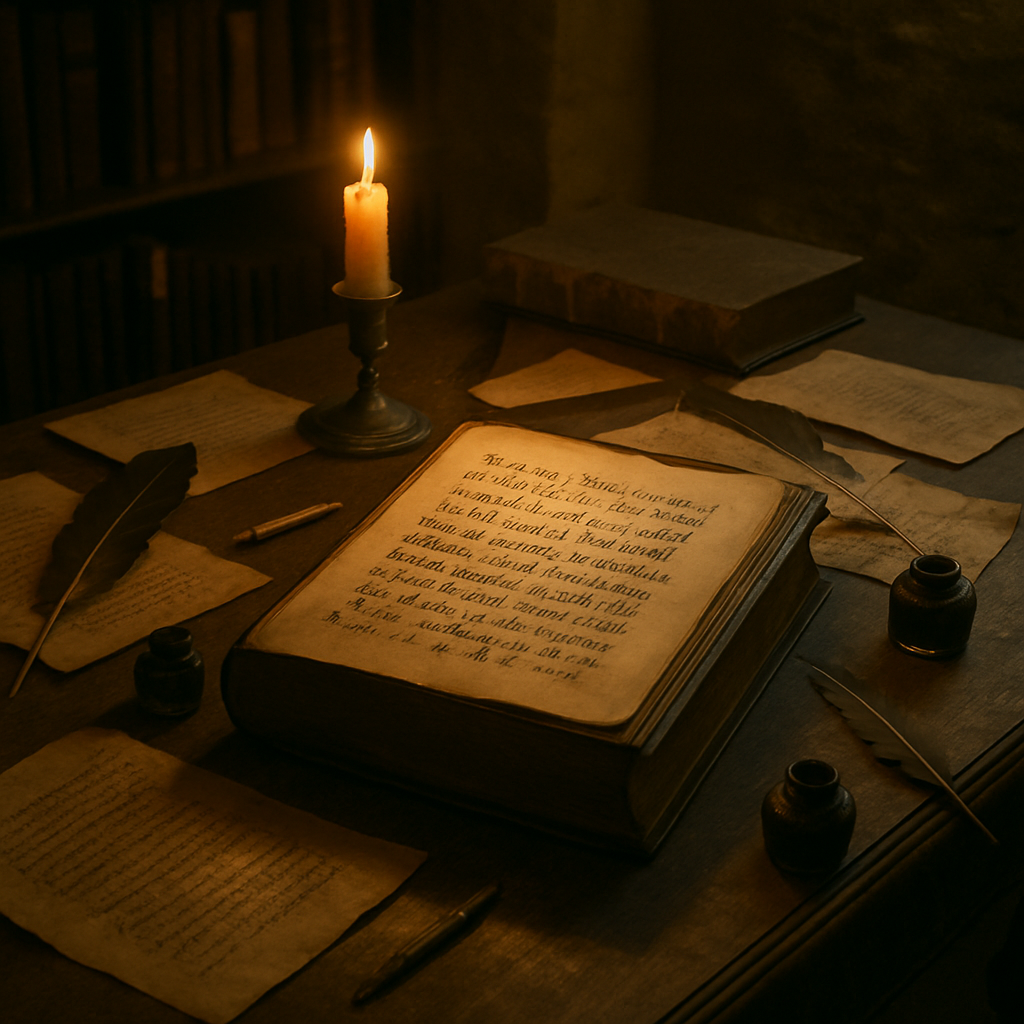
The preserved fragment at the center of this story shows a medieval diplomat deliberately trying to keep sensitive content from rivals. To prevent rivals from reading his dispatches, Pedro de Ayala "partially encrypted the letter and omitted certain words." The effort was not a simple substitution; the source reports Ayala combined omissions with symbol substitution to make reading the content difficult for all but the intended recipients.
Multiple symbols, whole‑word symbols, and a partial codebook
The letter employed several layered techniques. Ayala sometimes used multiple symbols for the same letter, "making the text even more difficult to decode." He also relied on what the source calls a partial "code book" in which entire words were replaced with a single symbol. Those choices had two effects: they changed the usual language statistics that frequency analysis relies on, and they masked obvious subject indicators by collapsing whole words into single symbols. The result, the source notes, was deliberate ambiguity.

This site is the portfolio.
OSINTSights runs on Cloudflare Workers, D1, R2, and Vectorize, with an AI pipeline on Hetzner ARM. Nubivance designed, built, and operates it. We do the same for clients.
See what we buildHow historians and amateurs handled the puzzle
The fragment did not remain secret forever. The source says it was rediscovered and that "people have been working on it since it was rediscovered." That work has included a mix of academic and non‑academic efforts: "Historians of all types do, be they academics, professionals, semi professionals, or hobbyists." The source also records a wry aside about the modern decoding effort: the letter was "cracked 500 years later by some academics LARPing as codebreakers," a phrasing that captures both the antiquity of the message and the energetic, cross‑disciplinary zeal that goes into decoding historical ciphers.
What the techniques achieved — then and now
The source emphasizes that Ayala’s choices were effective for their purpose. By altering statistical patterns and hiding key lexical indicators, the system produced ambiguity that concealed subjects and intent. The source draws a direct line to the present: "Even today such apparently simplistic systems can defeat quite knowledgeable or sophisticated attackers." In other words, a clever mix of omission, multiple-symbol substitution, and a partial codebook can outwit skilled readers whether they work in the 15th or the 21st century.
How historians, technologists, and the public are likely to respond
- Historians (academics, professionals, semi‑professionals, hobbyists): They will continue collaborative and solitary work on such puzzles — the source notes explicitly that people have been working on this since it was rediscovered. The mix of formal scholarship and enthusiastic amateurs is part of the decoding story.
- Technologists and security teams: The letter is an early case study in obfuscation and redundancy as defensive tactics. The use of multiple symbols for one letter and whole‑word symbols is an historical analogue to modern attempts to frustrate statistical and pattern‑based analysis.
- The interested public and readers: Beyond the cipher, the source stresses continuity in human motives. "The technology may have changed greatly but the humans?… Not so much…" — a reminder that messages worth hiding often concern the same themes of power, greed, and control that historians study.
Cultural and moral echoes in the margins
The source places the technical feat inside a broader reflection on human behavior. It lists "greed and avarice," "narcissistic, sadistic, psychopathic and similar 'dark personality traits'" and the manipulation of belief systems as enduring tools of control. The piece invokes Terry Pratchett’s observation about the differing capacities of the "good" and the "bad" — that planning and long‑term scheming tend to favor those intent on power — to underscore why historical actors would invest in secrecy techniques like Ayala’s code.
Pedro de Ayala’s letter is both a narrow success and a broad lesson: it accomplished its immediate goal of concealment through thoughtful, layered choices, and it serves now as a clear example that the mechanics of secrecy — omissions, alternate symbols, and shorthand codebooks — have been effective across centuries. The small envelope of ink and parchment therefore speaks to two continuities: technical craft in the service of secrecy, and the persistent motives that prompt people to conceal what they do not want others to read.
https://www.schneier.com/blog/archives/2026/04/medieval-encrypted-letter-decoded.html