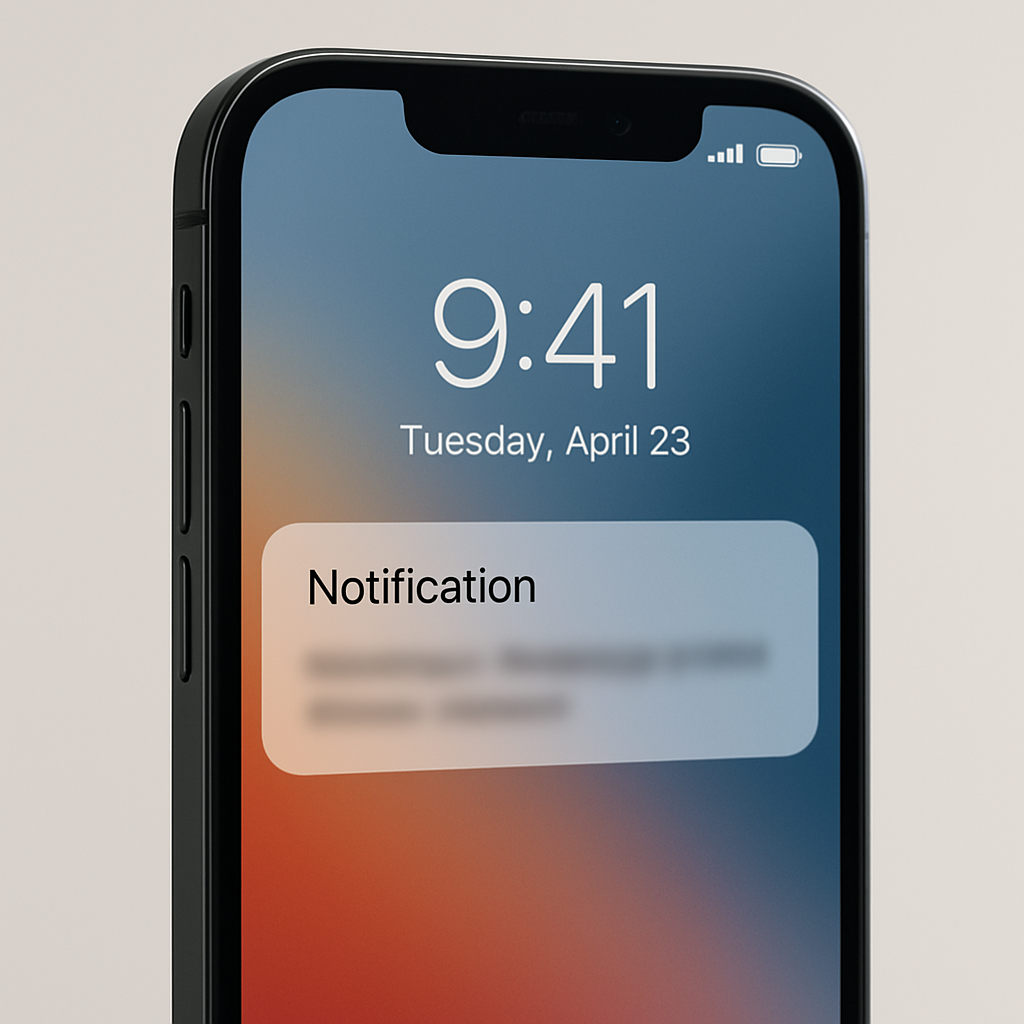
The forensic finding: Signal messages recovered from an iPhone notification database
According to reporting by 404 Media, the FBI was able to forensically extract copies of incoming Signal messages from a defendant’s iPhone even after the Signal app was deleted. The extraction succeeded because copies of the message content had been saved in the device’s push notification database, which remained on the phone after the app was removed.
How notification previews end up in iPhone internal memory
The court-notes quote above explains the apparent mechanism: when the Signal app settings permit message notifications and previews to appear on the lock screen, the iPhone “internally store[s] those notifications/message previews” in device memory. The reporting does not name the defendant or provide technical dump data; it records that the notification previews themselves were preserved in an iPhone-managed database that forensic tools could read.

Audit-ready is a season. It shouldn't be.
Evidence in spreadsheets, controls drifting between audits, frameworks multiplying on flat headcount. Nubivance runs continuous compliance on Rapid7 Cyber GRC - SOC 2, HIPAA, ISO 27001, PCI, CMMC.
End the scrambleForensic extraction requires physical access and specialized tools
The reporting reiterates a core point about digital forensics: extraction in this case occurred after someone with physical access to the device used specialized software to read the device’s stored notification data. The story frames this as a general lesson — that forensic extraction, when an examiner has physical custody of a phone and the right tools, can reveal sensitive content from secure messaging apps in unexpected OS-managed locations.
Signal’s notification-preview setting and why it matters
Signal “already has a setting that blocks message content from displaying in push notifications,” the report notes. The case is cited as an example of why that setting might be important for some users to enable. The reporting stops short of asserting whether enabling the setting would have prevented the stored previews in this specific phone, but it frames the setting as a deliberate design choice intended to limit message content exposure via notifications.
What this means for end users, technologists, and prosecutors
- End users: The report suggests users who are concerned about leaving message content on a device might consider notification-preview settings; the story highlights that notification behavior can move message content from an app into OS-managed storage visible to forensic extraction.
- Technologists and security teams: The episode points to a need to look beyond app-level storage when evaluating privacy guarantees: OS-level notification databases can retain content and should be included in threat models and forensic readiness planning.
- Prosecutors and examiners: The case documents a concrete source of evidentiary text for investigators with lawful physical access and tools — namely, the iPhone push notification database —even when the messaging app itself has been removed.
The narrow factual record reported by 404 Media and summarized here is straightforward: in at least one prosecutorial matter, incoming Signal messages were recoverable from an iPhone’s push notification database after the app was deleted, and observers at the trial recorded that lock-screen notification previews can be stored in internal device memory. That combination — push notifications enabled, stored previews, and an examiner with physical access and specialized software — produced recoverable content that otherwise might have been assumed unavailable once the app was uninstalled.
Link to original reporting: https://www.schneier.com/blog/archives/2026/04/fbi-extracts-deleted-signal-messages-from-iphone-notification-database.html