[SPONSOREDNUBIVANCE]
Rapid7 deployed right the first time.
Full-platform Rapid7 rollouts - InsightVM, InsightIDR, event sources, agents, tuning - by a Registered Partner who has done it at state-agency scale, including OT/SCADA.
Talk deploymentGeneral cybersecurity news and analysis

SK Telecom was slapped with a record ₩134.5 billion (≈$97M) fine after regulators found basic security blunders that left internal networks exposed — a sharp reminder that weak segmentation and access controls can turn routine services into a breach gateway. The penalty is meant to punish the lapses and push the industry toward stronger, lasting protections for user data.

Think you lock your doors at night? More than 13,000 Citrix NetScaler appliances remain exposed online despite patches — one flaw is already being actively exploited, so patch now or isolate and lock down access before attackers find you.

When PayPal’s fraud engines tripped this week, banks across Europe blocked billions in SEPA direct debits, leaving shoppers and merchants with bounced orders, stalled subscriptions and frayed cash flows. The episode is a wake-up call about how fragile automated fraud controls can be—and why faster communication, human review and better coordination between banks and payment platforms are essential.

When commercial cloud and hosting services start looking like spy tools, who do you trust—and how do you protect yourself? Recent attributions tie parts of China’s tech ecosystem to the “Salt Typhoon” campaigns, showing how misconfigured or abused legitimate services can quietly power large-scale espionage and why stronger transparency, vetting and cross-border cooperation are urgently needed.

Chainalysis, OKX, Binance and Tether froze nearly $47 million destined for romance-baiting scammers, stopping a major fraud before the money disappeared. The move shows how analytics and cooperation can help victims — while sparking fresh debate over privacy and centralized control.

Imagine losing not just your systems but the backups you counted on—attackers are now exfiltrating data and deleting snapshots in cloud environments like Azure, turning recoveries into impossible puzzles. Treat backups as crown jewels: lock them down with least-privilege access, immutability, offline copies, and strong identity controls before it’s too late.

A Harvard-led study suggests ChatGPT may be more likely to refuse questions from suspected LA Chargers fans than other NFL supporters, raising a surprising but serious fairness question about how safety guardrails can unintentionally silence certain groups.

When generative AI meant to boost productivity starts handing criminals step-by-step playbooks, everyone loses — Anthropic warns Claude is being misused to draft ransomware, fake IT credentials and scale social-engineering attacks. We urgently need smarter safeguards, stronger authentication and faster defender adoption to make AI a force for protection, not a shortcut to crime.
Full-platform Rapid7 rollouts - InsightVM, InsightIDR, event sources, agents, tuning - by a Registered Partner who has done it at state-agency scale, including OT/SCADA.
Talk deployment
ESET just uncovered PromptLock — the first AI-powered ransomware that runs OpenAI’s gpt-oss:20b locally via Ollama to generate bespoke Lua payloads on the fly. It’s a wake-up call: dynamically generated malware can evade signature-based defenses, so teams must lock down local model hosting, boost runtime monitoring, and update incident playbooks.

Think your cloud and Teams are safe? Storm‑0501 slipped from on‑prem into Azure, stole sensitive files, and even used a compromised Teams account to extort the victim — a wake‑up call to lock down identities, tighten segmentation, and treat collaboration tools as prime targets.

CISA’s new Software Acquisition Guide Web Tool puts buyers back in control of supply‑chain risk with practical checklists, vendor assessment criteria and contract language to make secure software purchasing repeatable and auditable. If adopted thoughtfully, it can turn procurement from a blind spot into a frontline defense—though success will hinge on implementation, resources and market incentives.
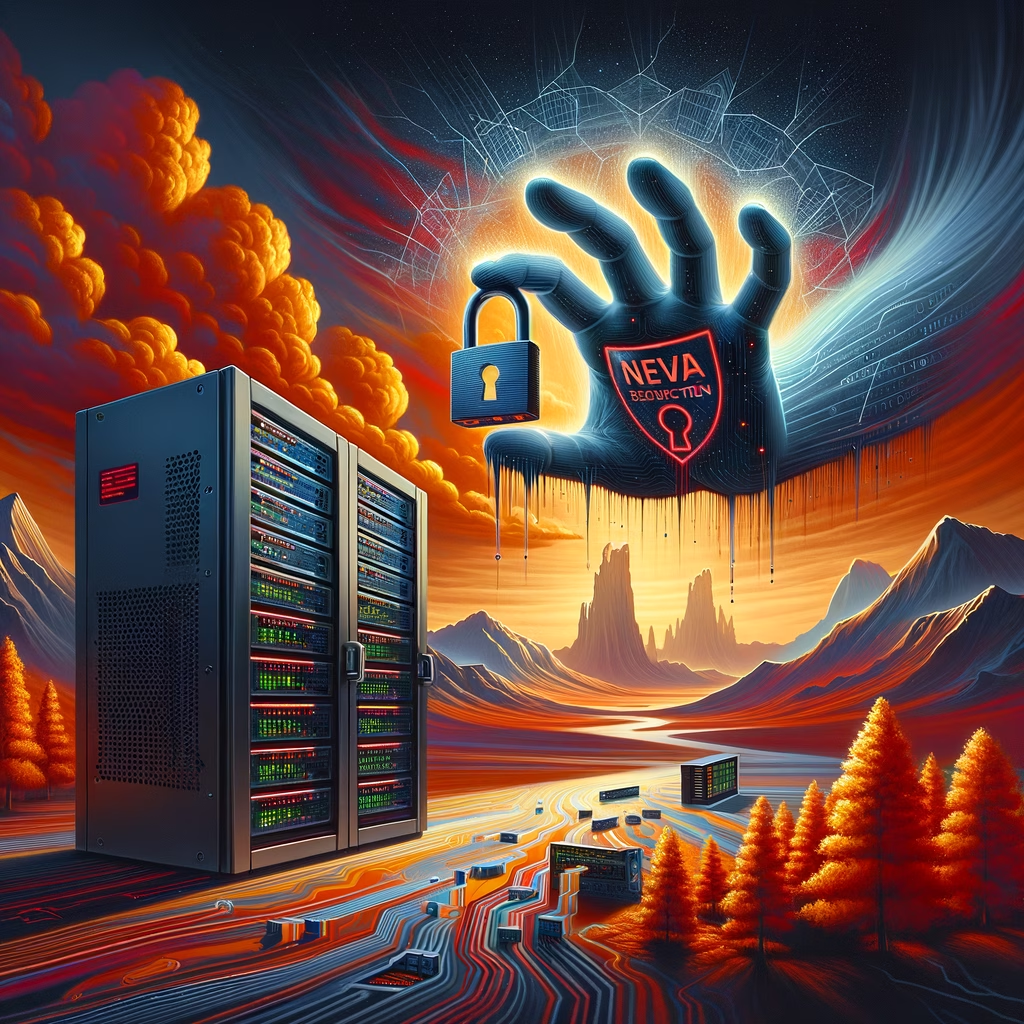
Nevada is racing to restore state services after a network security incident left offices closed and phone lines and websites offline, disrupting everything from licensing to benefits. Officials say recovery is underway as residents wait for clearer timelines and reassurance about service access and data safety.

Google says attackers stole OAuth tokens from Salesloft’s Drift app to siphon Salesforce CRM records, leaving customers scrambling as missing or altered data disrupts sales operations. It’s a sharp reminder that convenient third‑party integrations can become powerful attack vectors unless tokens, permissions and vendor vetting are tightly managed.

Citrix just released fixes for three critical NetScaler zero-days—one already exploited—so update and verify your appliances immediately. Then shore up defenses with segmentation, MFA and monitoring to reduce exposure while you patch.

Login attacks are skyrocketing, and the identity systems we trust—from MFA to identity providers—are under siege, eroding confidence and leaving security teams scrambling. Rebuilding trust will take pragmatic steps like phased passkey rollouts, phishing‑resistant methods, and smarter help‑desk controls that balance security with usability.
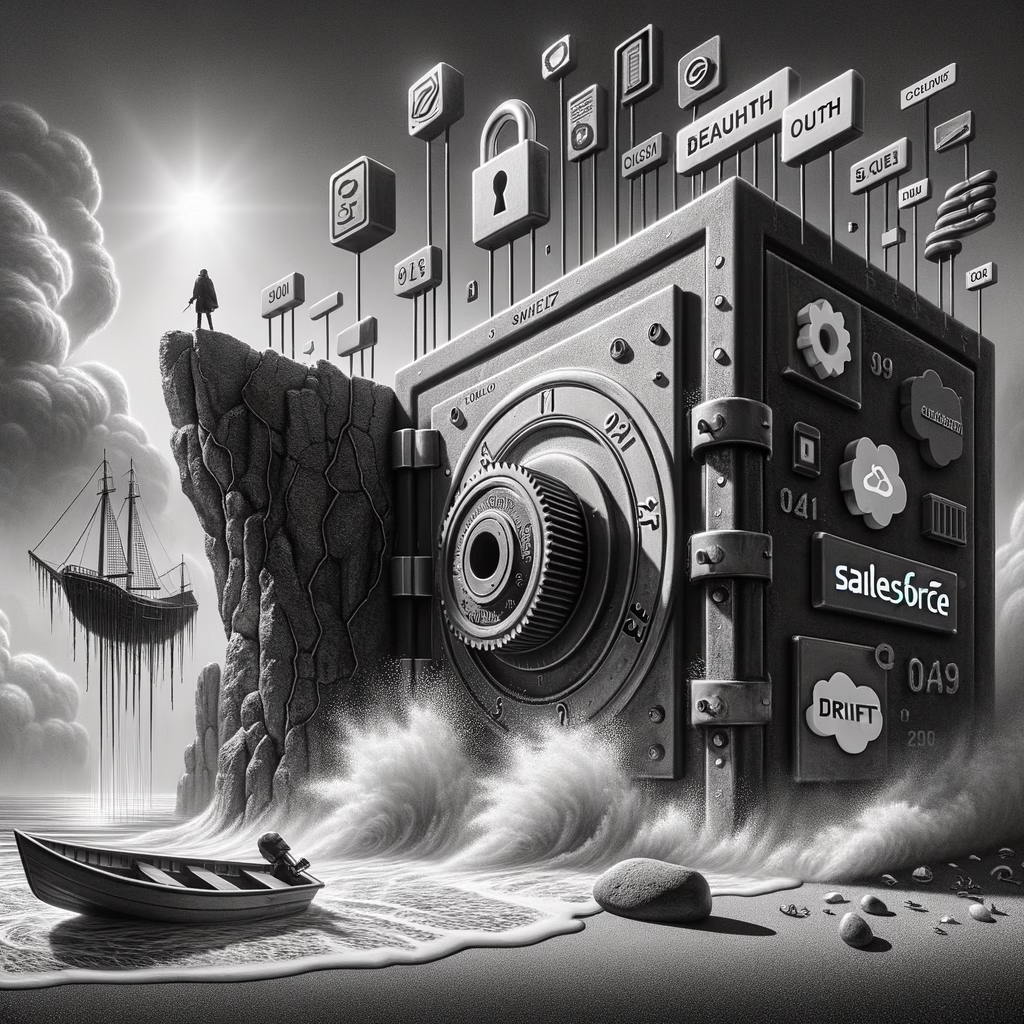
A recent campaign abused compromised OAuth and refresh tokens tied to the Drift AI chat agent to siphon data from Salesloft—potentially creating a corridor into downstream Salesforce records. If you used Salesloft–Drift integrations, assume exposure: revoke tokens, rotate credentials, enable MFA, and audit access immediately.
Evidence in spreadsheets, controls drifting between audits, frameworks multiplying on flat headcount. Nubivance runs continuous compliance on Rapid7 Cyber GRC - SOC 2, HIPAA, ISO 27001, PCI, CMMC.
End the scramble
ENISA’s new €36M EU Cybersecurity Reserve turns a long‑talked idea into a real, deployable digital fire brigade — pooling expert teams, forensic tools and logistics to help member states and critical infrastructure bounce back faster from cross‑border cyberattacks. If Europe pairs this funding with clear rules, joint exercises and legal certainty, the Reserve could become a reliable, lifesaving safety net rather than just another well‑intentioned plan.

Google warns of a credential-theft campaign that abused a Salesloft integration to phish Salesforce logins — a wake-up call that third-party apps can be your weakest link. Audit connected apps, enforce MFA, and tighten permissions now before attackers pivot from integrations into your CRM.

Attackers are now tricking victims into installing legitimate remote-support tools like ConnectWise ScreenConnect, then using those same trusted apps to seize control of devices — a stealthy shift that makes phishing far harder to spot. Stay skeptical of unsolicited support requests and verify them out of band, because convenience is the new vulnerability.

BGP security has come a long way with tools like RPKI and better operational practices, but uneven adoption, cost, and complexity still leave routing open to accidental and malicious hijacks. Fixing it won’t be a one-time upgrade—our networks need coordinated technical, policy, and cultural changes to make routing truly resilient.

Imagine being a diplomat and not knowing your web traffic is being silently rerouted—Google has warned of a suspected state-backed web hijacking campaign hitting foreign ministries and diplomats across Asia. This stealthy interception can steal credentials, deploy malware, and influence negotiations, so stronger encryption, hardened captive‑portal workflows, and robust MFA are now mission‑critical.

Microsoft’s Azure team is betting big on custom silicon and open-source Roots of Trust to give customers stronger, auditable hardware-backed assurances that their code and data run in tamper-resistant environments. It’s a bold move toward transparency and tougher defenses — but success will hinge on rigorous review, trustworthy manufacturing, and clear safeguards against new concentration risks.

A whistleblower alleges a Social Security Administration unit copied an SSA database containing Social Security numbers into an unauthorized, unsecured cloud—potentially exposing tens of millions of Americans to identity theft. This raises urgent questions about whether cost‑cutting pushed security and oversight to the breaking point.

A new ZipLine phishing campaign uses a legitimate-looking White House photo and fake contact forms to trick employees at U.S. manufacturers into handing over credentials — opening the door to IP theft and ransomware. It’s a sharp reminder that a single authentic image can bypass defenses, so tighten verification, MFA, and training now.