"At the moment, we are still in negotiations with the German government, but if they want to have the plane by 2029, my expectation is that by at least next year, we have to go into the final stage of negotiating the contract," Rheinmetall CEO Armin Papperger told Breaking Defense at the air show.
Boeing Australia and Rheinmetall unveil an MQ-28 Ghost Bat in Berlin
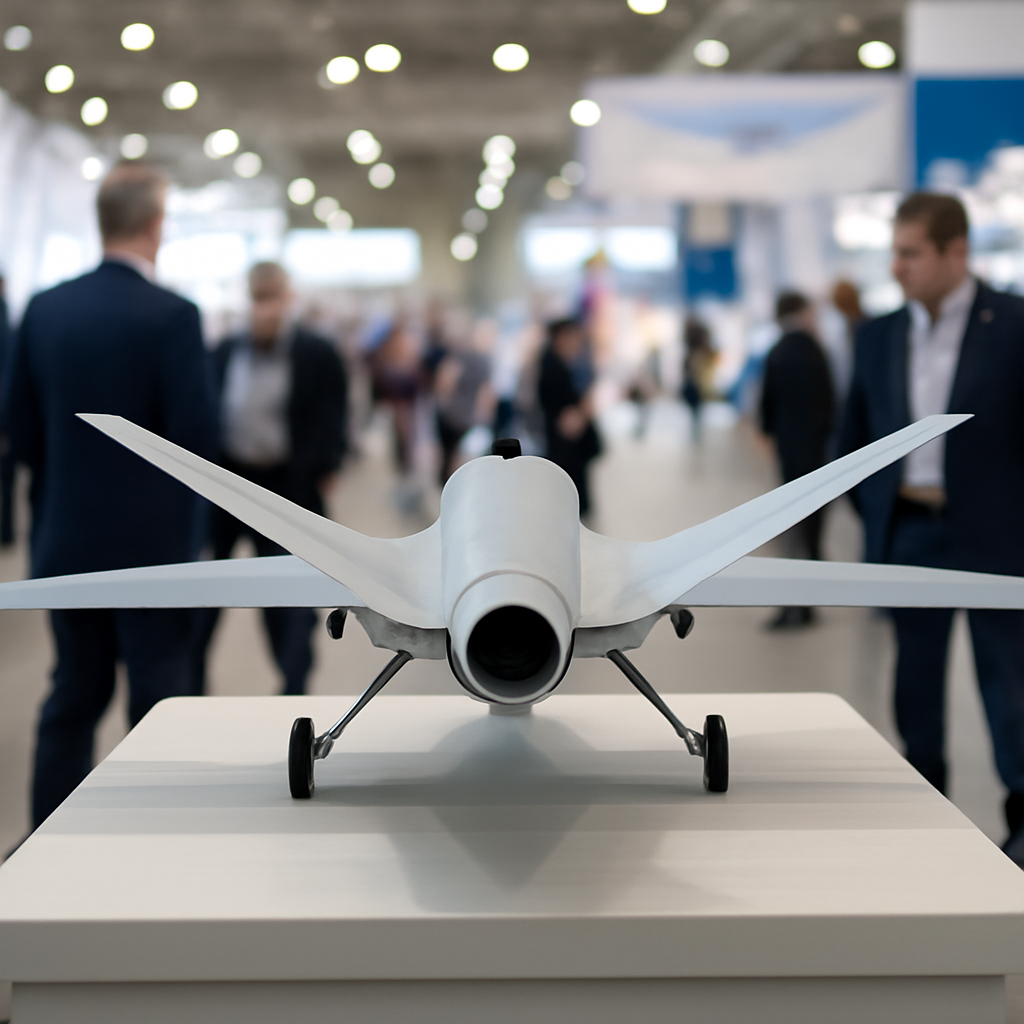
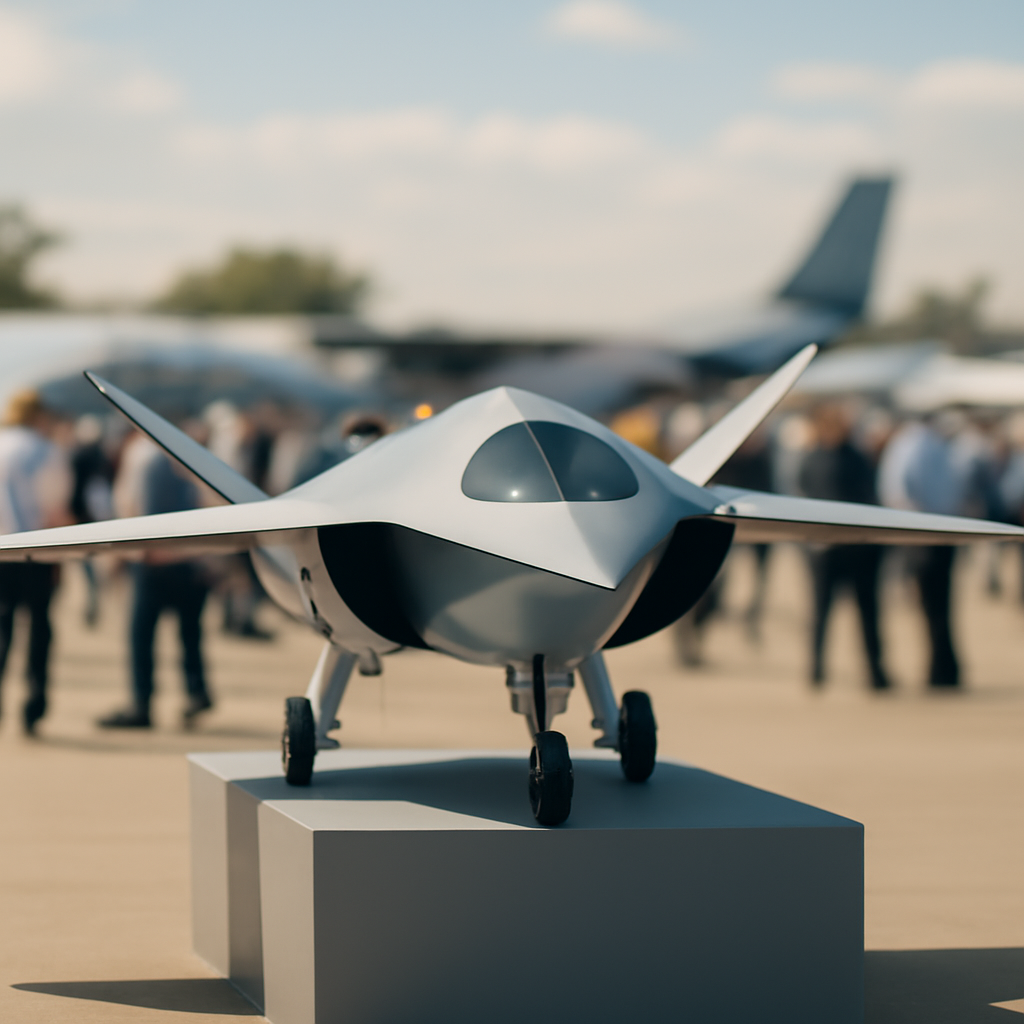
At the Berlin Air Show, representatives from Boeing Australia and Germany’s Rheinmetall pulled back a white sheet to reveal an MQ-28 Ghost Bat — a collaborative combat aircraft (CCA) the companies say has already flown in Australia and is being offered for service with the German air force. The drone was specially flown in from Australia for the event, where at least four real aircraft or full-sized models of CCAs were on display.
What the MQ-28 team says it can do
The Boeing‑Rheinmetall presentation described a series of engineering changes made to the MQ-28 for the German offer. Company officials said the aircraft received a 25 percent increase in wingspan, a change that permits an additional 2,000 pounds of fuel, stores and mission payloads. According to Glen Ferguson, the MQ-28 global program director, the Ghost Bat "can be equipped with two AMRAAM missiles or four small-diameter bombs internally and has flown for over 200 hours."

The cyber insurance questionnaire just landed. Now what?
SOC 2, HIPAA, insurance renewals - someone has to own security strategy. Nubivance provides fractional CISO leadership without the full-time salary.
Get a security leadCompetitors on the tarmac: Helsing, Airbus and General Atomics
Rival German and international firms used the show to highlight their own CCA concepts and roadmaps. Helsing revealed a new electronic‑attack variant, the CA-1EA, describing it as "an expansion of the CA-1 Europa platform, on the basis of which Helsing is already building an autonomous combat aircraft, now to be designated as the CA-1KA (kinetic attack)." Helsing said the CA-1KA is scheduled for maiden flights in early 2027.
Airbus displayed a full‑scale 1:1 model of the U760 Ravenstorm CCA concept, which the company presented as a follow‑on to work with US-based Kratos; last year the two firms agreed to purchase two XQ-58A Valkyrie CCAs and planned to modify them for the European market. General Atomics Aeronautical Systems brought a full‑sized version of a drone from its Gambit family — one of the two unmanned aircraft selected in the first increment of the US Air Force’s CCA program. C. Mark Brinkely, a General Atomics spokesperson, said, "We have certainly spoken to Germany many, many times about our CCA and what there is to offer" and called theirs "the most advanced CCA in the world," adding that the platform is "ready today" for weapons bays and related modifications.
Timeline pressures and the German procurement posture
Papperger framed a tight calendar: if Germany wants an operational CCA by 2029, contract negotiations need to enter final stages "by at least next year." A spokesperson for the German Ministry of Defense declined to comment on procurement projects "prior to pending parliamentary deliberations." The public interplay at the air show thus set private timelines against parliamentary processes, with companies asserting readiness and the ministry flagging formal decision gates.
The air show backdrop sharpened the stakes: the reporting noted Pistorius has said that by 2029, Russia could be ready to attack NATO — a reference that dovetails with the compressed schedules the vendors described.
What this means for the German Ministry of Defense, Boeing‑Rheinmetall, and NATO planners
- German Ministry of Defense and parliament: Officials must balance parliamentary deliberations with vendor timelines; the ministry has publicly refrained from commenting on procurement projects until those deliberations are complete.
- Boeing Australia and Rheinmetall (and competing vendors): Firms are staging public demonstrations, emphasizing modification work (wingspan, payload, internal weapons carriage) and asserting readiness to meet an accelerated schedule if Germany decides to proceed toward a 2029 fielding.
- NATO planners and German air force planners: The combination of vendor claims of near‑term readiness and a public timeline pointing to 2029 places pressure on planners to decide whether to pursue CCAs as a force-multiplying asset alongside manned aircraft, as vendors have pitched.
The Berlin Air Show made plain that the CCA competition is now public and crowded: Boeing‑Rheinmetall’s flown MQ-28 Ghost Bat, Helsing’s CA‑1 variants, Airbus’s U760 Ravenstorm model and General Atomics’ Gambit entry were all presented as potential answers to Germany’s call for wingmen drones. With company officials pressing a schedule tied to a 2029 readiness and the German Ministry of Defense deferring comment pending parliamentary deliberations, the next year looks set to be decisive in which design, if any, moves from display to contract.
Source: Breaking Defense — Drone wingmen face off at Berlin Air Show in race for German CCA