BAE Systems Fortifies U.S. Naval Nuclear Deterrence with $7.96 Million Engineering Contract
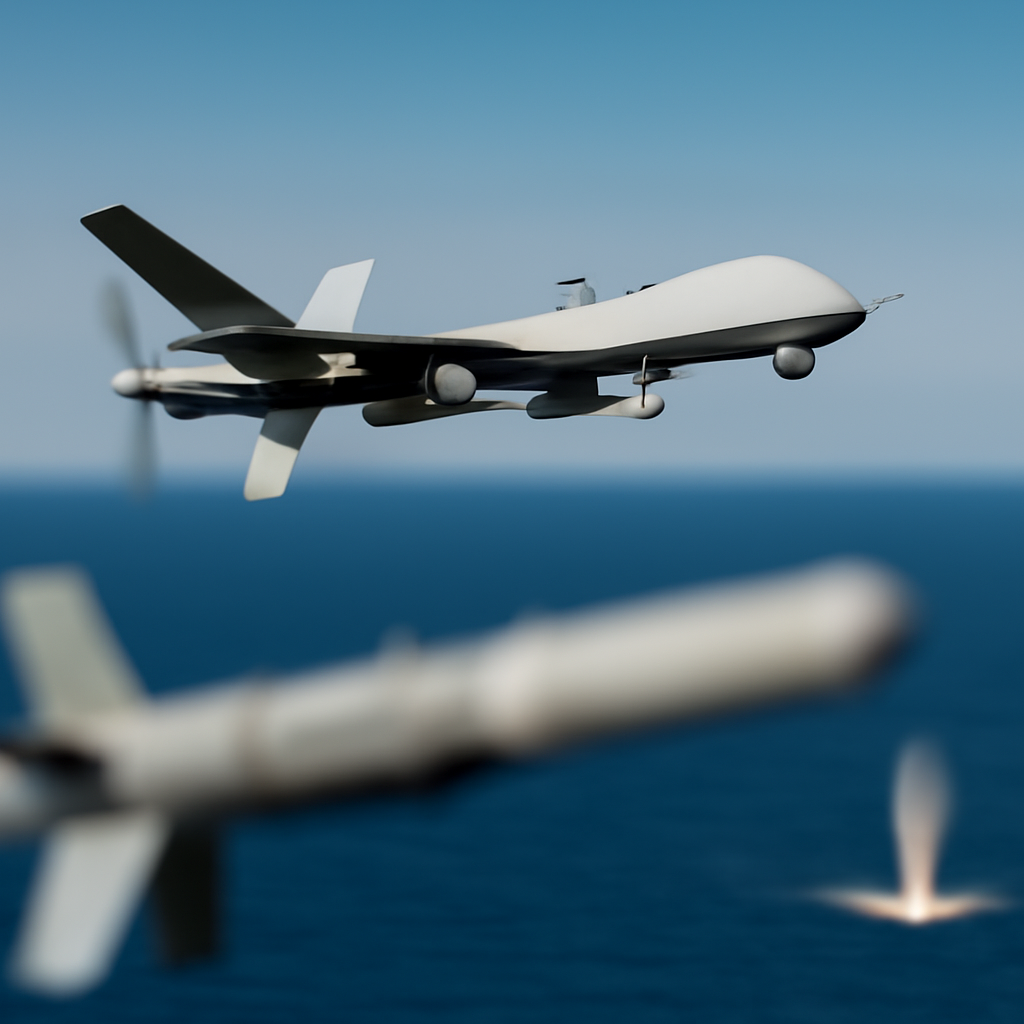
BAE Systems Technology Solutions & Services Inc. has secured a strategic foothold in the U.S. defense landscape with the award of a $7.96 million contract modification. This deal, announced by the Department of Defense, directs the company to provide critical engineering and acquisition support for the U.S. Navy’s Sea-Launched Cruise Missile (SLCM) program. As the Navy continues to upgrade its arms and ensure a robust nuclear deterrence posture, the significance of this development resonates beyond the contours of a single contract award.
In an era of evolving security challenges, the modernization of nuclear systems is a topic of intense focus. The SLCM program—central to the Navy’s deterrence strategy—epitomizes the overlap between sophisticated technology and national security imperatives. To contextualize this move, it is essential to understand the historical trajectory of naval nuclear deterrence. Over the decades, adjustments in both global threat matrices and domestic defense technologies have compelled U.S. policymakers to invest in advanced systems that not only extend long-range strike capabilities but also enhance mission reliability. The integration of engineering expertise with acquisition support in such programs is a well-established methodology for fostering innovation while ensuring rigorous oversight and cost-effectiveness.
The current award, executed under Contract N00030-22-C-6007, is structured as a cost-plus-fixed-fee modification. This contract model is designed to incentivize BAE Systems to optimize performance while ensuring accountability in cost management—a balance that has proven essential in complex defense procurements. According to the official Department of Defense announcement, the funding stream will support “technical engineering and facilities integration work” that is integral to the ongoing evolution of the SLCM system. The Navy’s choice of BAE Systems to fulfill this role underscores a trust in the firm’s long-standing reputation for delivering cutting-edge defense solutions.
From a historical perspective, the evolution of cruise missiles has marked several critical inflection points for the United States. Initially developed during the Cold War, these systems underwent continuous enhancements to meet emerging threats and adapt to sophisticated adversarial technologies. Today’s nuclear cruise missiles, with their extended range and precision, are a testament to decades of incremental technological achievement and strategic recalibration. The current contract reinforces this evolutionary trajectory by integrating next-generation engineering practices and reinforcing the infrastructure necessary to support advanced nuclear systems.
Why does this contract matter? First, it reflects the broader trend of public-private partnerships that have become the backbone of U.S. defense procurement. As the government continues to prioritize modernization, companies like BAE Systems are not just service providers but strategic partners who drive innovation through technical expertise. Second, this award is emblematic of how technological advancements in one domain—such as facilities integration and systems engineering—can have ripple effects across various facets of military capability, from strategic deterrence to operational readiness.
Stakeholders across the defense spectrum, including policymakers, military operators, and technical experts, view the SLCM program as a critical component of the U.S. nuclear triad. The modernization efforts being supported by this contract are designed to improve not only the technical performance of the missile systems but also the integration and compatibility of the associated hardware and facilities. For instance, enhanced engineering support can lead to improved reliability and precision in deployment, bolstering the Navy’s ability to respond to rapid strategic shifts.
Several key factors illuminate the broader implications of this contract award:
- Strategic Relevance: The U.S. Navy’s reliance on nuclear-capable SLCMs underlines the strategic importance of maintaining a credible deterrent. Enhanced engineering support ensures that the systems remain technically superior and operationally flexible.
- Technological Evolution: Engineering modifications and facilities integration are critical in an era when defense technologies are continuously upgraded to counter emerging threats and align with digital transformation priorities.
- Economic and Industrial Impact: Contracts of this magnitude contribute to sustaining high-skilled jobs and investing in domestic technological capabilities, thereby fortifying the U.S. industrial base against global competition.
Recognized defense analysis publications such as Defense News and Jane’s Defence Weekly have routinely highlighted the importance of engineering precision in modern nuclear systems. The consensus among industry experts is that the ability to integrate state-of-the-art engineering practices with robust facilities management is central to maintaining military readiness. While the specifics of the SLCM’s technology are often closely guarded, it is widely understood that such integrations help streamline maintenance cycles, reduce lifecycle costs, and ensure rapid deployment capabilities during critical moments.
Experts observing this development note that the contract modification is not an isolated incident but part of a broader, systematic upgrade across the nuclear force. The anticipated technical refinements may bolster the overall reliability and effectiveness of these systems, potentially influencing future procurement strategies. Defense strategist Colin Kahl, in previous congressional testimonies, emphasized that continuous investment in engineering support and technical integration is essential for adapting legacy systems to future battlefield demands. Although these insights reflect broader expert analysis rather than commentary on this specific contract, they nonetheless underscore the strategic calculus driving such awards.
Looking ahead, the implications of BAE Systems’ award extend well into the future of naval warfare and national security strategy. The successful integration of new engineering solutions could serve as a blueprint for subsequent modifications and procurement efforts within the nuclear deterrence portfolio. Given the geopolitical uncertainty that characterizes the global landscape today, any enhancement in the precision and reliability of nuclear delivery systems is a critical asset. Future contracts and program modifications will likely follow a similar structure, promoting an iterative approach where engineering enhancements continuously drive performance improvements.
This evolution is set against the backdrop of global naval modernization initiatives. Nations such as Russia and China have also signaled investments in advanced missile technologies, raising the stakes in a domain where technical superiority can shape strategic outcomes. In response, the U.S. Navy has been methodically upgrading its arsenal—not only to preserve its technological edge but also to validate the deterrence commitment that has underpinned U.S. defense policy for decades.
As this contract modification rolls out, observers will be keenly watching the milestones achieved by BAE Systems in the realm of nuclear cruise missile engineering. Key performance indicators will include improvements in system integration, reductions in operational downtime, and adherence to cost-efficiency objectives as stipulated by the cost-plus-fixed-fee framework. In the words of former Pentagon officials, the engineering challenges of modernizing such systems are inherently complex, requiring sustained collaboration between military and industrial stakeholders.
In conclusion, BAE Systems’ $7.96 million contract modification for the U.S. Navy’s SLCM program exemplifies a strategic confluence of engineering innovation, industrial partnership, and national security imperatives. As America’s defense ecosystem adapts to a rapidly shifting global order, this contract stands as a tangible manifestation of the ongoing commitment to technological excellence and operational readiness. The true measure of success, however, will lie not just in the technical metrics but in the broader enhancement of strategic deterrence—a goal that continues to shape the narrative of U.S. defense in a time of uncertainty.
As policymakers and military strategists look to the future, one question remains at the forefront: How will ongoing investments in cutting-edge engineering and integration capabilities shape the balance of power in an increasingly complex global arena? The answer, it seems, will be written in the innovations that propel our national defense into the next generation.