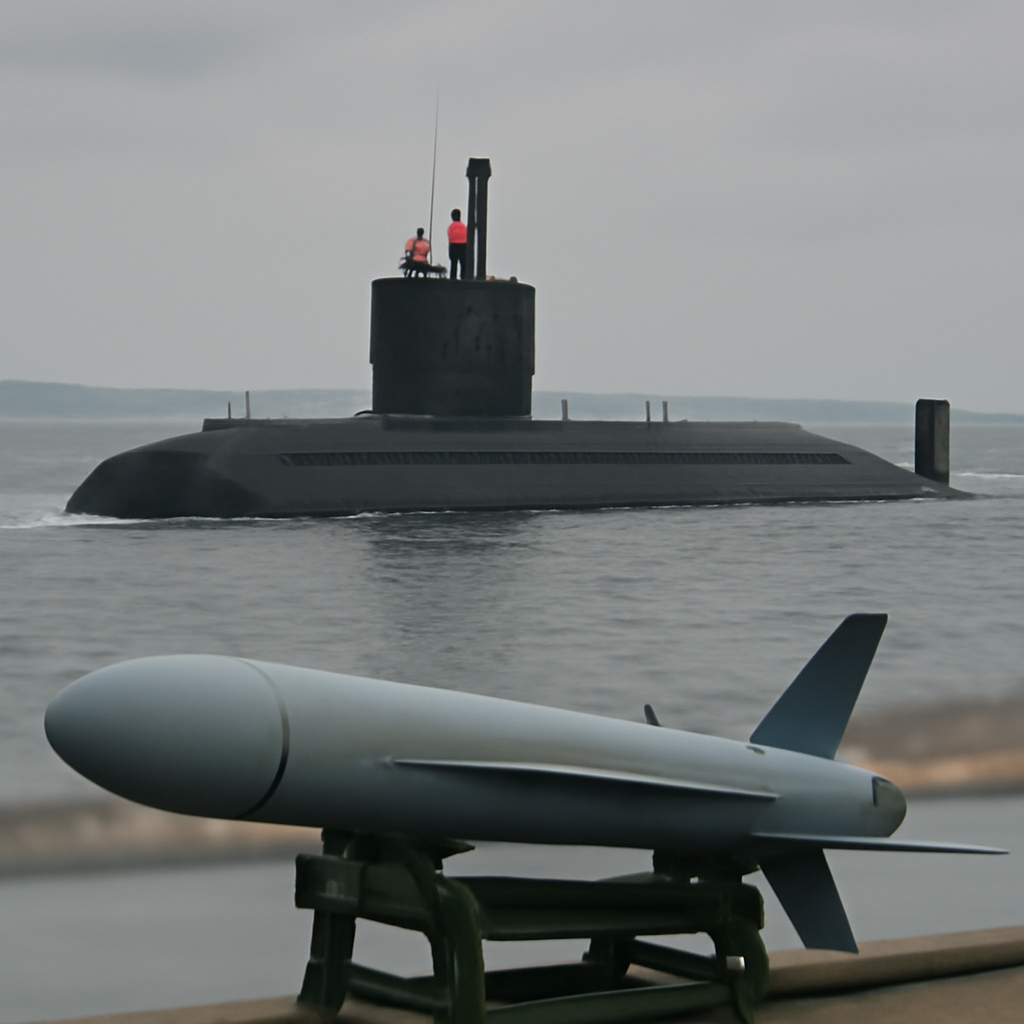
What does it mean when a government announces a new defence blueprint and, alongside it, a spending plan? Defence Minister Richard Marles today announced the government’s new National Defence Strategy (NDS) and its accompanying spending outline, the Integrated Investment Plan (IIP). That single sentence raises immediate questions about priorities, trade-offs and timelines — but for now, the only concrete facts publicly available are the announcement itself and the documents named.
What was announced
- Defence Minister Richard Marles announced a new National Defence Strategy (NDS).
- The announcement included the Integrated Investment Plan (IIP), described in the source as the government’s spending outline accompanying the NDS.
- This NDS is Australia’s second such strategy.
- The first National Defence Strategy was released in 2024.
What we know and what we do not
The source material provides a concise record: a ministerial announcement, two named documents and the fact that this is the second iteration of a national defence strategy, with the first published in 2024. The material does not, in itself, set out the NDS’s priorities, capability choices, budget figures, timelines, or implementation mechanisms. Nor does it include statements from other officials, independent analysts, technologists, or potential regional partners.

This site is the portfolio.
OSINTSights runs on Cloudflare Workers, D1, R2, and Vectorize, with an AI pipeline on Hetzner ARM. Nubivance designed, built, and operates it. We do the same for clients.
See what we buildWhy the announcement matters
Announcing a national defence strategy together with an investment plan is consequential by design: strategies articulate intent and priorities, while investment plans translate those priorities into resources. Even without the documents’ contents in hand, the pairing signals that the government intends to link strategic direction to fiscal choices. That linkage typically prompts questions about procurement, industrial capacity, personnel, and the balance between immediate needs and longer-term resilience — questions that stakeholders from technologists to policymakers will now press for answers to once the full texts are available.
Looking ahead
The immediate task for audiences — analysts, industry, service personnel, and the public — is straightforward: obtain and scrutinise the NDS and the IIP. The announcement is the starting gun; the documents will contain the specifics that determine how strategy becomes policy and how investment shapes capability. If the government’s aim in pairing the NDS with the IIP is clarity and coherence, the test will be whether those documents answer the practical questions that follow a strategic declaration. Will they explain priorities, trade-offs and timelines clearly enough for implementation and oversight? Only the texts themselves will tell.
https://www.aspistrategist.org.au/2026-national-defence-strategy-views-from-aspi-analysts/