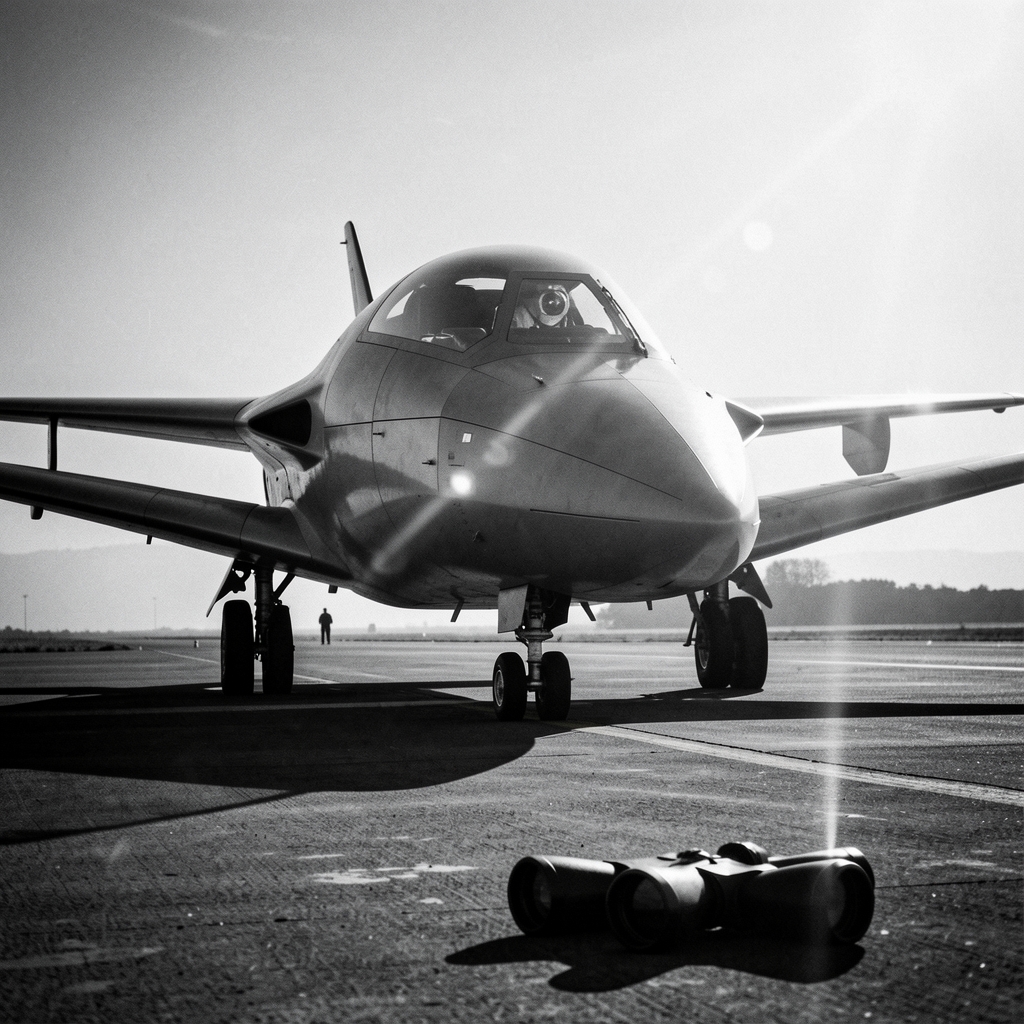
How quickly can a newly developed intelligence aircraft move from prototype to frontline service — and what does that pace tell us about priorities, risk and oversight? According to officials, the Army’s HADES spy plane is on a compressed timetable: flight testing for the first prototype begins this summer, and the program is on track for a first delivery later this year.
What the Army has said — and what is known
Officials have told reporters that flight testing for the HADES program’s first prototype will begin this summer. The program, described in reporting as the Army’s HADES spy plane, is reported to be on track for a first delivery later this year. Beyond those scheduling points, public details in the source material are limited to those two milestones and the officials’ attribution.
Why schedule matters
A summer start to flight testing followed by a delivery before year’s end implies a tight development and test window. If those dates hold, decisionmakers and engineers will be moving through early operational steps rapidly. A condensed timeline can concentrate resources and accelerate fielding of new capabilities, but it also tightens margins for discovering and correcting technical, safety or integration issues uncovered during flight tests.

Audit-ready is a season. It shouldn't be.
Evidence in spreadsheets, controls drifting between audits, frameworks multiplying on flat headcount. Nubivance runs continuous compliance on Rapid7 Cyber GRC - SOC 2, HIPAA, ISO 27001, PCI, CMMC.
End the scramblePerspectives to consider
- Technologists: Rapid transitions from prototype testing to delivery raise technical questions about the depth of testing, the criteria used to clear the aircraft for delivery, and how lessons from initial flights will be incorporated into subsequent production or follow-on prototypes.
- Policymakers and acquisition officials: They must weigh the trade-offs between urgency and risk, balancing mission needs against the potential for schedule-driven shortcuts in testing or certification.
- Users and operators: Units slated to receive initial deliveries will need training, maintenance planning and doctrine updates aligned with when the aircraft arrives. Compressed timelines complicate those preparations.
- Adversaries and observers: A rapid move into operational service can signal prioritization and intent; it may prompt competitive reactions, shifts in posture, or closer scrutiny of the program’s capabilities.
Risks, uncertainties and next steps
Official schedules are useful markers but are also subject to change. Flight test results, technical challenges, supply or production issues, and safety concerns can all introduce delays. Conversely, smooth early testing can validate design choices and allow deliveries to proceed on schedule. Absent additional public detail, watchers should treat the announced summer testing and year-end delivery target as intentions rather than guaranteed outcomes.
For reporters and analysts, the immediate next milestones to watch are the commencement of flight testing this summer and any official updates that follow those initial flights. Those events will provide firmer evidence about whether the program is meeting its announced pace and what risks or successes are emerging in practice.
Is the schedule a sign of decisive progress or a risky rush to field capability? With officials publicly tying summer flight testing to a delivery later this year, the answer will depend on the results that come out of the hangar and the flight line.