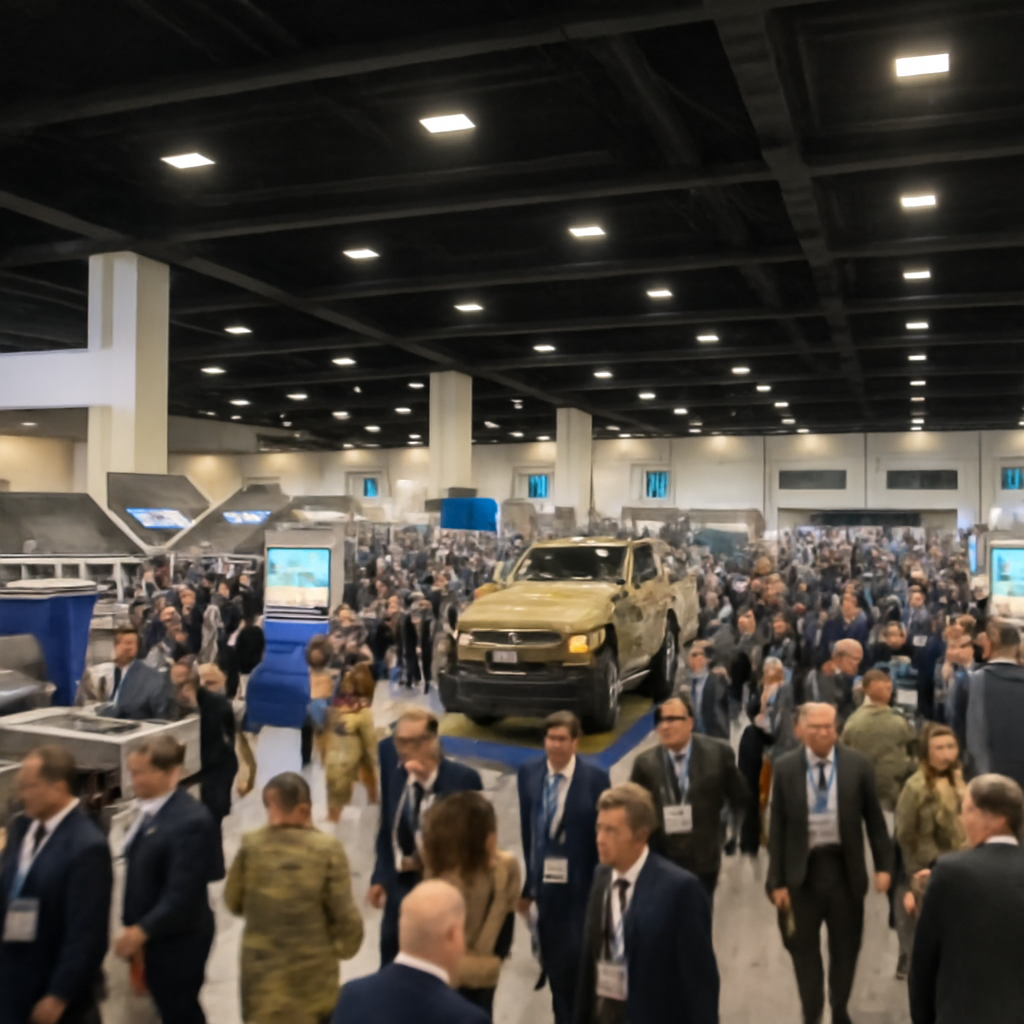
“We’re not going to do this physical process where we are whiteboarding deep in the Pentagon and coming up with some arbitrary requirement,” Army Secretary Dan Driscoll said during a panel at the LCI Industry Day.
What the Army announced today
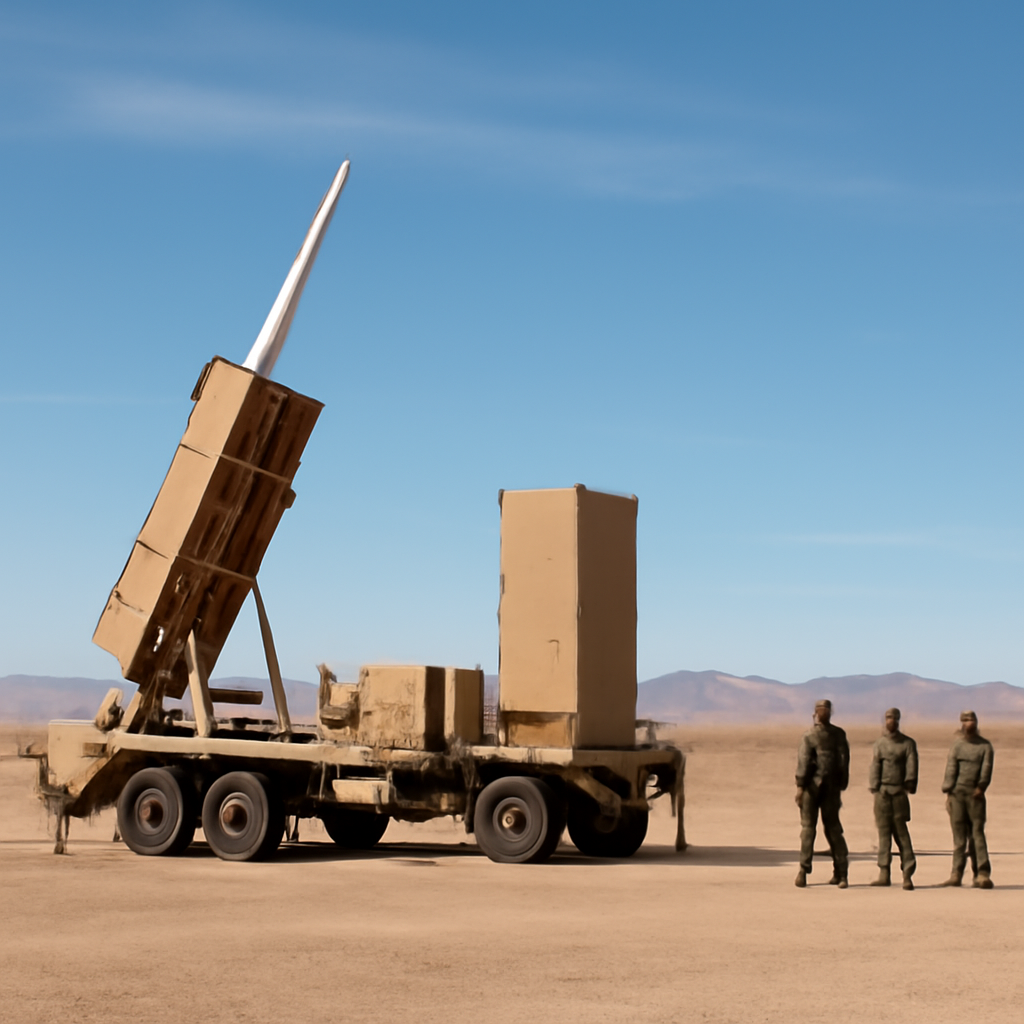
The Army formally launched its low-cost interceptor (LCI) program to field scalable, affordable interceptors aimed at reducing reliance on multimillion-dollar air-defense systems to defeat cheap drones. Service leaders said the program is on a compressed timeline and is aiming to complete the first live fire demonstrations this fall at White Sands Missile Range in New Mexico.
Dan Driscoll’s rationale and program posture
Driscoll framed the LCIs as supplements rather than replacements for existing systems, saying the current systems “are incredible” and “described as a Ferrari of a product.” He emphasized a different approach to requirements — asking “what can science do for us? What can talented builders do for us?” — and signaled an expectation of industry collaboration on data and intellectual property (IP) sharing so the Army can incorporate LCIs onto its marketplace interface, which already sells drones and counter-drone capabilities to U.S. warfighters and allied nations.

Audit-ready is a season. It shouldn't be.
Evidence in spreadsheets, controls drifting between audits, frameworks multiplying on flat headcount. Nubivance runs continuous compliance on Rapid7 Cyber GRC - SOC 2, HIPAA, ISO 27001, PCI, CMMC.
End the scrambleXTech procurement timeline and selection mechanics
The Army’s XTech program will release a call for white papers for LCI components on July 6. The xTech team will give companies four weeks to return responses, and that response period then triggers a 120-day clock intended to get the effort into the first quarter of fiscal year 2027 with fresh money, Brig. Gen. Guy Yelverton, capability portfolio executive of Defensive Fires, said at a media roundtable.
- Shortly after the white papers’ response date, the service hopes to have selected companies to participate in a live fire demonstration at White Sands Missile Range.
- xTech will narrow the prize pool and award a nondisclosed number of companies. Dependent on the maturity of submitted systems, the Army “might be able to launch straight into production.”
Technical architecture: components and open-systems integrator
The call for white papers will seek discrete LCI components: rocket motors; seekers; fire control and guidance tools; and a weapons system integrator responsible for designing the open systems architecture. Those parts will be combined into the all-up round the Army wants to demonstrate and eventually produce.
Price targets, trade-offs and the calculus behind them
Driscoll said he did not want to fix a definitive dollar amount for the LCIs during the roundtable, but he previously told reporters in May the ideal cost would be less than $250,000 per interceptor. A slide shown during another discussion at the event indicated a broader target of less than $1 million for the all-up round.
Driscoll described the $250,000 figure as emerging from a specific problem in the Army’s thinking — “if you think about the cost of a jet engine-powered Shahed, like what are we willing to pay today?” — but made clear the program will accept higher-priced solutions if they are the right answer, giving hypothetical figures of “280,000 [or] 420,000 or 610,000.”
What this means for warfighters, industry, and allied partners
- Warfighters and procurement leaders: The Army intends to add LCIs to its existing marketplace interface, which already sells drones and counter-drone capabilities to DoD warfighters. That implies operational access to lower-cost interceptors could come through familiar procurement channels if the program moves quickly from demonstration to production.
- Industry and technologists: XTech’s split solicitation — separate calls for rocket motors, seekers, guidance tools and an integrator — invites companies to collaborate and share data and IP. The Army’s emphasis on open systems architecture creates a deliberate role for a weapons system integrator to unify parts into an all-up round.
- Allied partners: Driscoll framed a broader “grand strategy of conflict” as one of compatibility, citing small nations such as Finland as examples of partners that should be able to operate compatible equipment with larger forces. IP sharing and the marketplace approach are intended to make compatible tools available to allies.
The next concrete milestones are set: a July 6 call for white papers, four weeks for responses, the start of a 120-day clock to align funding into Q1 FY27, and a planned live fire demonstration at White Sands this fall. The program’s enduring tension will be delivering a lower price point without surrendering sufficient capability — a balance the Army has acknowledged it will accept some flexibility on, if vendors bring the “right answer.”