Alabama Cyber Incident Sparks Broader Reflections on Digital Security in a Global Context
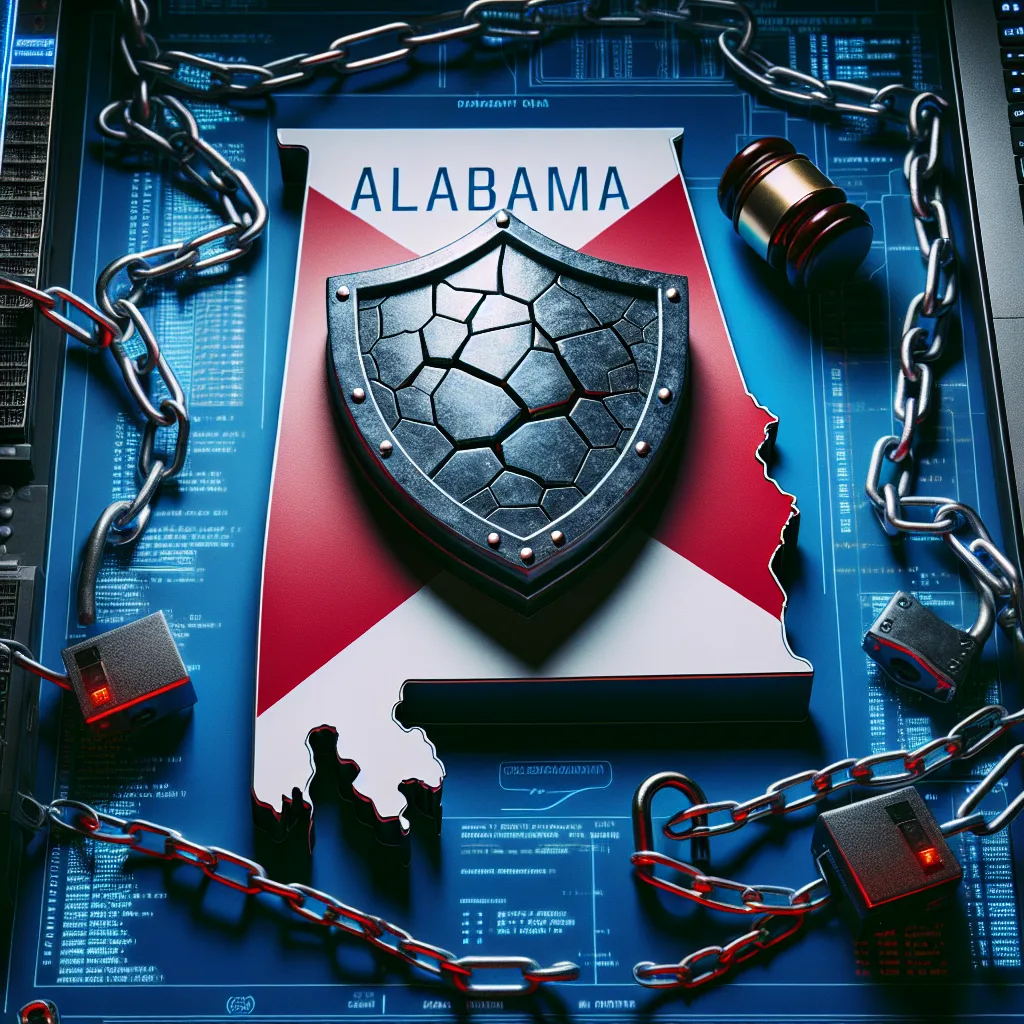
The state of Alabama finds itself at the crossroads of modern cybersecurity challenges, as officials probe an unspecified breach that has affected several state systems. While early reports indicate that no personal data of citizens has been compromised, the incident has raised critical questions about the resilience of public sector networks in an era when digital threats are growing in sophistication and frequency.
Local authorities confirmed that state agencies remain vigilant as investigations continue, noting that the anomaly “has affected some state systems” without extending to citizens’ personal information. The communication, issued by Alabama’s cybersecurity unit, represents a measured response aimed at reassuring the public while alerting relevant federal agencies to potential threats that could spill beyond state borders.
The Alabama incident dovetails with a growing trend of cyber intrusions affecting governmental and corporate institutions alike, underlining the evolving methods of fraud and exploitation in the digital domain. In parallel to this unsettling development, European law enforcement agencies, colloquially known as “Euro-cops,” have recently dismantled a network of investment scammers. At the same time, the notorious hacker group Fancy Bear has reportedly returned its operational focus toward Ukraine, a move that further compounds the intricate tapestry of global cybersecurity incidents.
Historically, the digital vulnerabilities of state systems have drawn scrutiny well beyond local scales. The impetus for strengthening cyber defenses grew out of high-profile breaches in the early 2000s, and government measures have since focused on bolstering both infrastructural integrity and inter-agency communication. Cybersecurity frameworks now rely on a multi-tiered approach that blends technological fortification with policy reforms, a strategy that is increasingly under strain in the wake of persistent and evolving threats.
In Alabama’s case, initial investigations have yet to pinpoint the origin of the breach. However, cybersecurity experts note that such events often emerge from systemic vulnerabilities—either due to outdated software protocols, inadequate network segmentation, or sophisticated phishing schemes that allow adversaries to infiltrate secure environments undetected. One analyst from a well-known cybersecurity firm, speaking on the condition of anonymity due to the sensitivity of the information, remarked, “While we’re not seeing a direct attack on citizen data, the breach highlights systemic issues that could have broader implications if left unaddressed.”
This internal incident gains additional significance when placed against the wider backdrop of international digital operations. Recently, European authorities successfully curtailed operations of a syndicate orchestrating fraudulent investment schemes. Europol’s recent press brief highlighted that these groups commonly prey on unsuspecting investors with promises of exorbitant returns, only to vanish once funds are secured. Such operations underscore the multi-layered risks citizens face in a world where conventional crime and cybercrime increasingly overlap.
Similarly, the resurgence of operations by Fancy Bear in Ukraine signals a renewed phase in geopolitical cyber conflicts. Known for its intricate and covert operations, Fancy Bear has a history of meddling in sensitive political environments, leaving digital scars that complicate diplomatic relations. Ukrainian officials assert that this revival is symptomatic of broader regional instability, a situation that may invite further international scrutiny and prompt additional security measures across borders.
At the heart of these occurrences lies a broader quandary: how can governments securely navigate an increasingly interconnected digital landscape when every network, every system, carries inherent vulnerabilities? Alabama’s cyber incident serves as both a cautionary tale and a rallying cry for improved public sector cybersecurity protocols. As the state’s investigators continue to piece together clues, they are likely working in conjunction with federal bodies, such as the FBI’s Cyber Division, to pinpoint the pathways exploited by the intruders.
From a policy perspective, the incident raises critical questions about risk management and proactive oversight. Despite decades of evolving digital threat models, many state systems continue to grapple with legacy vulnerabilities. A report published last year by the Government Accountability Office (GAO) noted that billions of dollars remain at risk across state and local governments, a figure that underscores how vital it is to modernize outdated infrastructures and adopt new security paradigms. Alabama’s response, though measured, hints at the urgent need for an overhaul that other states might soon emulate.
Industry experts advise that the incident should serve as a bellwether for a larger recalibration of public cybersecurity policies. Drawing from real-world examples, several security professionals point to recent investments in artificial intelligence-driven anomaly detection systems as promising steps toward mitigating future risks. According to a briefing by the Cybersecurity and Infrastructure Security Agency (CISA), these advanced detection systems can identify irregular network traffic patterns that often presage a breach, potentially enabling preemptive action.
Yet, amidst the technical details and policy debates, it is crucial to remember that behind every digital intrusion lies a human story. For Alabama residents, the reassurance that their personal data remains secure is paramount. Likewise, victims of investment fraud in Europe find themselves grappling not only with financial loss, but also with emotional and psychological fallout. The recurring theme across these incidents is one of vulnerability in an increasingly digitalized life—a stark reminder of the delicate balance between convenience and security.
When assessing the broader impact, the Alabama cybersecurity event offers a microcosmic view of the challenges facing public institutions globally. The incident not only underscores the need for enhanced digital fortification but also reinforces a key insight: cybersecurity cannot remain an afterthought in a framework where technology underpins every facet of governance.
The strategic implications extend beyond immediate technical responses or patchwork measures. Cybersecurity now occupies a central role in national security strategies. The intersections between technology and geopolitics have become increasingly intricate, and incidents like these prompt policymakers to consider whether current protocols sufficiently address the risks posed by both state-sponsored hacking groups and financially motivated criminals. The renewed activity of the group known as Fancy Bear in Ukraine, for instance, brings to light the potential for digital tactics to be leveraged as instruments of geopolitical leverage, challenging traditional concepts of warfare and diplomacy.
For state officials in Alabama, the road ahead involves not only remedial technical measures but also a deep introspection into policy and preparedness. Future actions may well include increased collaboration with federal agencies and private cybersecurity firms, enhanced funding for system upgrades, and possibly, new legislative initiatives to standardize the protection measures across state networks. These steps, while potentially costly, are increasingly seen as necessary investments in national resilience.
Moreover, the evolving nature of cyber threats has compelled a rethinking of traditional security paradigms. Former Secretary of Homeland Security, Jeh Johnson, has long championed the idea that robust cybersecurity strategies must integrate insights from multiple disciplines—ranging from technological innovation to economic policy. In this context, Alabama’s response may serve as a touchstone for developing holistic cybersecurity frameworks that are agile, adaptive, and strategically sound.
As analysts continue to monitor developments from Alabama and other related incidents worldwide, questions about resource allocation, interagency communication, and public transparency remain at the forefront. How can authorities better balance the need for rapid response with the imperative to maintain civil liberties? In a digital age where the lines between physical and virtual security blur, strategic clarity becomes both a challenge and a necessity.
Looking ahead, cybersecurity experts predict that public scrutiny over state-managed digital infrastructures will intensify. In the coming months, it is anticipated that further details relating to the Alabama breach will emerge, potentially spurring a wave of legislative and technical reforms. Additionally, the international developments—ranging from European crackdowns on financial fraud to the reactivation of infamous hacker groups—serve as a reminder that digital security is a global quandary requiring concerted efforts across traditional borders.
In summary, the unfolding Alabama cybersecurity incident is more than an isolated event; it is part of a broader narrative where technological vulnerabilities and the human consequences of digital breaches converge. For the average citizen, reconciling the marvels of technological progress with its inherent risks is becoming an increasingly familiar task. For policymakers, military strategists, and thought leaders, the incident underscores an ever-present truth: in the modern world, safeguarding our digital future is as crucial as protecting our physical one.
As the investigation deepens in Alabama, one is compelled to reflect on the enduring challenge of aligning rapid technological progress with robust security measures. The interplay between local experiences and global trends illustrates a complex, evolving threat landscape—one where every new breach sharpens our collective awareness of the risks that come with our digital era. In this environment, the resilience and adaptability of public systems stand as testaments to our ongoing commitment to security amid uncertainty.



