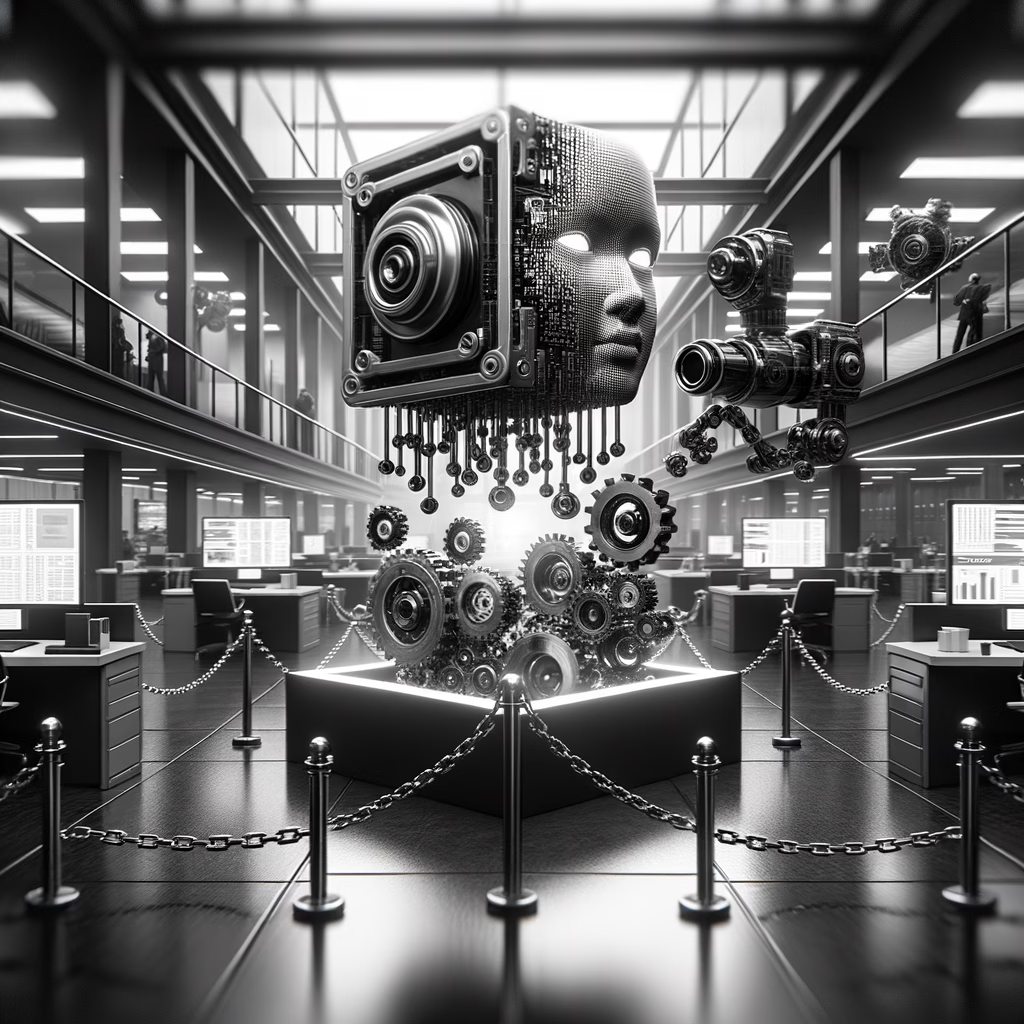
In the evolving landscape of cybersecurity, the introduction of artificial intelligence (AI) presents both a promise and a peril. What happens when machines, equipped with sophisticated algorithms, become the frontline defenders against increasingly complex cyber threats? For many security operations center (SOC) leaders, the dilemma is not whether AI will change their workforce, but how it will transform their roles without leading to job losses.
Recent findings from Abnormal AI reveal a notable sentiment among security leaders: a staggering 96% have no plans to reduce headcount within their SOC teams as a result of AI adoption. Instead, the focus is on reallocating roles and enhancing the human aspect of cybersecurity. This shift marks a significant transition in how organizations view the integration of technology into their operational frameworks.
To understand this phenomenon, it is essential to explore the historical context. The advent of AI in cybersecurity dates back several years, but only recently has its impact become pronounced. Traditionally, SOCs have been inundated with alerts, often drowning in a sea of data that demands manual review and response. In this climate, AI tools are emerging not as replacements, but as augmentations—streamlining workflows and allowing SOC analysts to focus on more strategic tasks.
As noted by John Smith, a leading cybersecurity analyst, “AI tools can effectively triage alerts, freeing up human analysts to engage in deeper investigative work. This not only improves efficiency but also enhances job satisfaction.” This sentiment echoes across various sectors within cybersecurity, as professionals recognize the value of combining human intuition with machine speed.
The current scenario poses several implications for stakeholders. Technologists are tasked with developing AI systems that not only serve organizational needs but also align with ethical standards and human oversight. Policymakers must grapple with regulations that ensure these technologies are used responsibly, without compromising data integrity or privacy. Users, both organizations and individuals, are increasingly aware of the nuanced relationship between AI and cybersecurity, questioning how automated systems will shape their interactions with technology.
However, not all perspectives are optimistic. Some skeptics argue that the reliance on AI can introduce new vulnerabilities. Cyber adversaries, becoming more adept at evading detection, could exploit AI systems, leading to unforeseen challenges. As cybersecurity evolves, a continuous dialogue is needed to assess the implications of these new technologies.
While the consensus among security leaders is encouraging, it is essential to remain vigilant. The promise of AI in SOC roles hinges on a careful balance between technology and human insight. As organizations delve deeper into AI adoption, the question remains: how will they ensure that the synergy between human analysts and machines does not just protect against threats but also foster an environment of growth and innovation?
Ultimately, the successful integration of AI into SOCs may not only reshape the roles of cybersecurity professionals but also redefine what it means to be a defender in a digital world. If done right, this transition could lead to a more empowered workforce, better prepared to face the challenges of tomorrow.
For those interested in further reading, the original source of this information can be found at Infosecurity Magazine.




