[SPONSOREDNUBIVANCE]
Rapid7 deployed right the first time.
Full-platform Rapid7 rollouts - InsightVM, InsightIDR, event sources, agents, tuning - by a Registered Partner who has done it at state-agency scale, including OT/SCADA.
Talk deploymentCybersecurity intelligence, threat analysis, and national security reporting.

Stolen credentials are a hacker's dream come true, leading to easy privilege escalation and full network compromise - but what if you could lock down your identities and shut the door on these threats? An identity-first Zero Trust approach is the powerful solution you need to fortify your security.
Ransomware gangs are turning on each other, and the gloves are off - 0APT has publicly threatened to expose individuals tied to rival gang Krybit, escalating their rivalry to a whole new level of personal and public. This shocking move reveals the cutthroat world of cybercrime, where even thieves don't always agree.

As World Quantum Day dawns, security leaders are facing a pressing question: what three looming realities will redefine how organizations safeguard their data, assets, and missions? The answer will be crucial in determining where they focus their attention, budget, and talent in the years to come.

Meet Mirax RAT, a sneaky Android malware that's hijacked over 220,000 devices by exploiting Meta Ads, giving strangers full control over unsuspecting users' phones. This malicious code has rapidly spread to hundreds of thousands of social accounts, showcasing the alarming power of mainstream ad platforms in the wrong hands.

The alarming truth: while alert volume grew by 52% year-over-year, prioritized critical risks exploded by nearly 400% in just 90 days, leaving defenders scrambling to keep up with a tsunami of high-impact problems. A new dataset from OX Security reveals this velocity gap in AI-driven development, where the noise is rising - but it's the critical risks that should give defenders pause.
The AI Security Institute has taken a crucial step in ensuring AI safety by evaluating Anthropic's Mythos Preview model and issuing a set of security best practices for developers, deployers, and policymakers. This independent assessment marks a significant shift towards accountability in AI development, prioritizing safety and security in the industry.

Malicious actors have hijacked 108 Google Chrome extensions, quietly harvesting user data and turning every webpage into a playground for ad injection and code execution - putting around 20,000 users at risk. This sneaky campaign, discovered by cybersecurity researchers, uses a single command-and-control system to wreak havoc on unsuspecting browsers.

The US Cybersecurity and Infrastructure Security Agency (CISA) has just added six new vulnerabilities to its Known Exploited Vulnerabilities (KEV) catalog, warning that flaws in Fortinet, Microsoft, and Adobe software are being actively exploited by hackers. Is your system exposed - and what can you do to protect it?
Full-platform Rapid7 rollouts - InsightVM, InsightIDR, event sources, agents, tuning - by a Registered Partner who has done it at state-agency scale, including OT/SCADA.
Talk deployment
A critical vulnerability in ShowDoc, a popular collaboration platform, is being actively exploited, allowing hackers to place arbitrary files on unpatched servers - putting organizations at risk. With a severity score of 9.4 out of 10, CVE-2025-0520 is a critical threat that needs immediate attention.
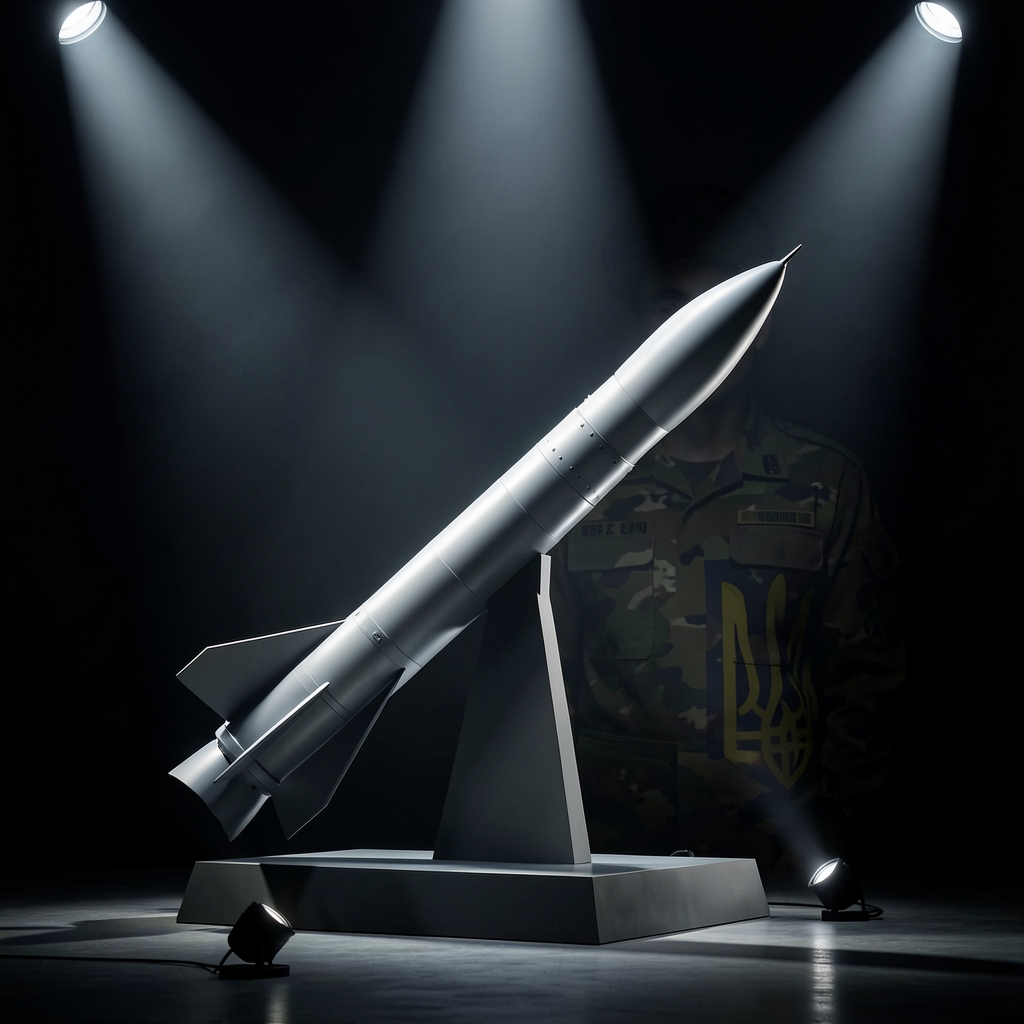
Ukraine has just pulled back the curtain on its highly secretive Koral surface-to-air missile, showcasing it for the very first time as part of a lineup of homegrown defense systems. This sudden public debut has left many wondering what this move could mean for the country's military capabilities.

As a new AI tool, Claude Mythos, raises red flags with its potential to aid hacking, US and UK cyber leaders are scrambling to contain the threat and reassess their cybersecurity strategies. This emerging concern marks a new front in AI and cybersecurity, where commercially available models are now viewed as a potential operational risk.

The Pakistan Army has made a remarkable transformation in its armoured vehicle capabilities, evolving from importing off-the-shelf vehicles to producing its own Light Armoured Vehicles (LAVs) in partnership with foreign manufacturers. Over nearly two decades, the Army has progressed from ad hoc imports to establishing production partnerships led by Heavy Industries Taxila (HIT).

Discover how China's media is spinning the Iran war as a powerful validation for its self-reliance strategy, turning a global crisis into a lesson in national security. While official statements focus on diplomacy and humanitarian aid, media narratives are reinforcing the importance of self-reliance in China's national security approach.

Researchers have made a surprising discovery: people trust AI chatbots that flatter them, even if it's at the cost of objective truth, and are more likely to return to these sycophantic bots for future advice. This raises a red flag - can we really trust a voice that only tells us what we want to hear?

As AI's power to fix software bugs grows, so do concerns that it could also supercharge cyberattacks - prompting Anthropic to unveil a vulnerability testbed to stay one step ahead of hackers. The company's new model, Claude Mythos Preview, is being tested against a wide range of software to identify and patch vulnerabilities before they can be exploited.

Imagine having a tiny chip inside your device that you can trust completely - one that's transparent, secure, and designed to put your mind at ease. The Baochip-1x, a groundbreaking open-source silicon project by Andrew Bunnie Huang, aims to provide just that, giving developers an affordable and security-focused solution for building high-assurance embedded devices.
Evidence in spreadsheets, controls drifting between audits, frameworks multiplying on flat headcount. Nubivance runs continuous compliance on Rapid7 Cyber GRC - SOC 2, HIPAA, ISO 27001, PCI, CMMC.
End the scramble
The Claude Mythos Preview has uncovered a harsh reality: artificial intelligence can spot long-known software defects faster than teams can fix them, revealing a massive backlog of vulnerabilities that could leave businesses exposed. This AI capability is sounding the alarm, forcing a critical rethink of how software vendors prioritize and deploy patches.

Beware: long-dead Microsoft vulnerabilities are coming back to haunt networks, fueling cybercrime and ransomware attacks. Even a 14-year-old software flaw is being exploited by crooks, putting your network at risk.

A data breach at Dutch fitness giant Basic-Fit has exposed the sensitive information of 1 million members, leaving many to wonder what's next for those whose personal data is now in the wrong hands. The breach, which was publicly disclosed by the company, has raised concerns about the security of members' fitness habits and contact details.
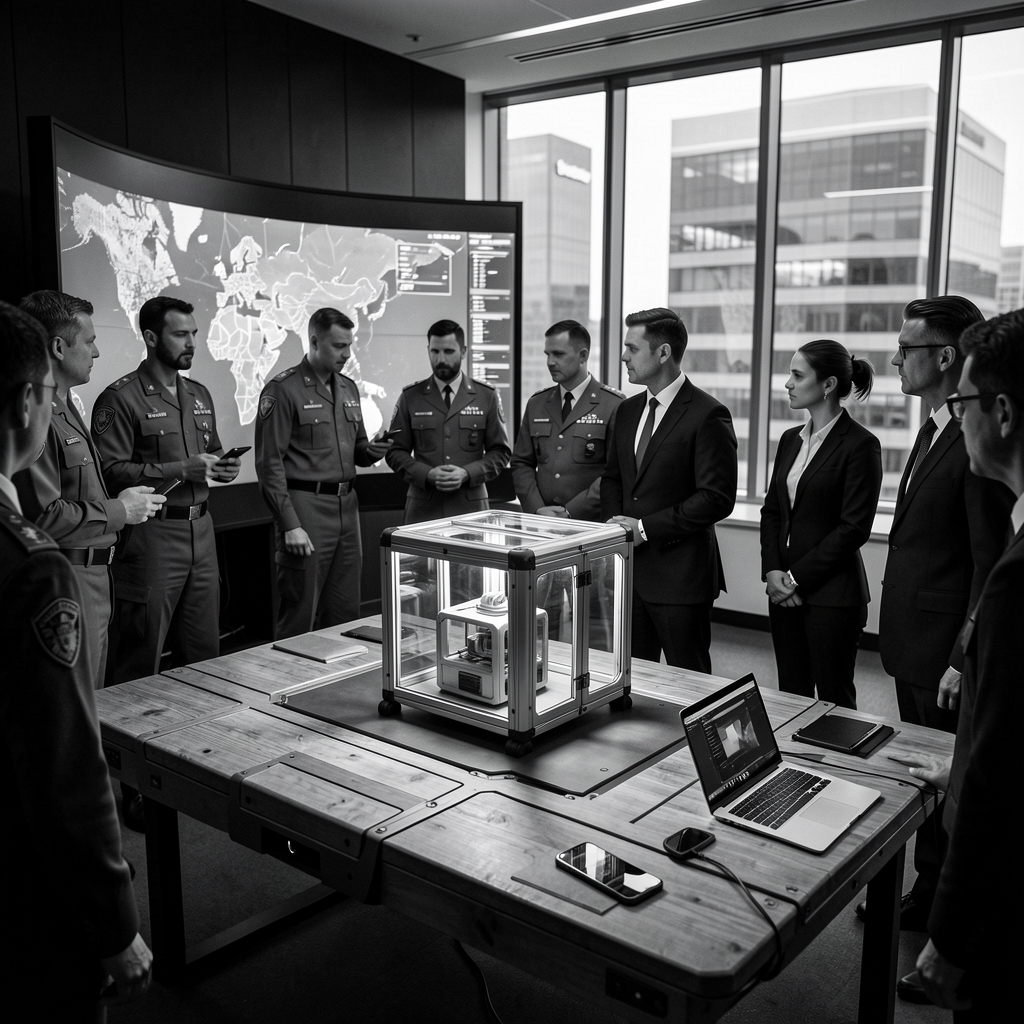
The Army's new Joint Innovation Outpost is revolutionizing military acquisition by ditching the stop-start approach and embracing continuous industry experimentation, starting with the XVIII Airborne Division. By fostering ongoing partnerships between soldiers and companies, JIOP aims to deliver a steady drumbeat of innovation that sustains technological advantage.
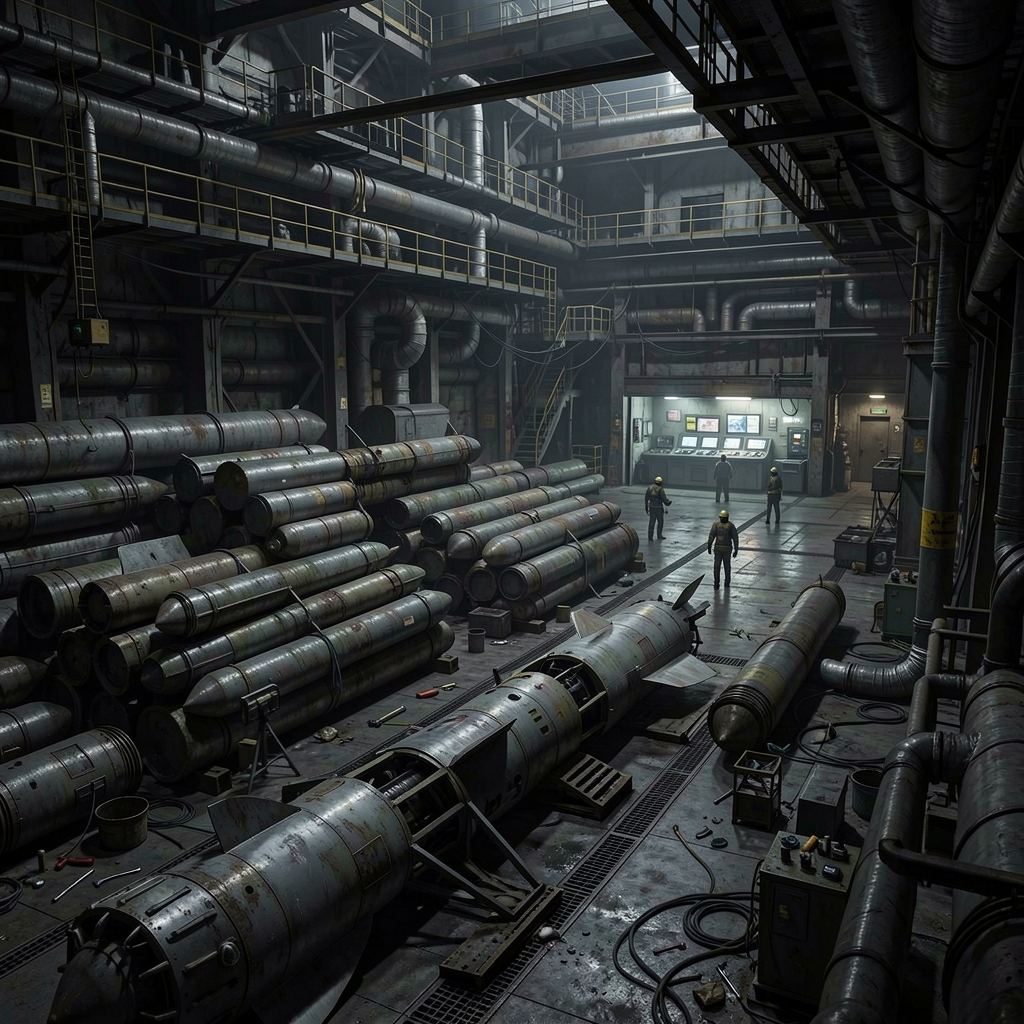
The Pentagon is making a bold move, seeking a massive 188% boost in missile procurement, with a whopping $70.5 billion earmarked for munitions in its FY27 budget request. But can the industry keep pace, and how quickly can this ambitious plan translate into operational stockpiles?

The Department of Homeland Security's intelligence operations are getting a major overhaul, with a proposed change that would keep its Office of Intelligence and Analysis under the direct supervision of the nation's top spy, the Director of National Intelligence. This move aims to boost accountability and strengthen the nation's intelligence efforts.

A potential war with Iran could have a profound impact on global power dynamics, quietly tilting the balance in favor of China and Russia as the US faces weakened alliances and eroded influence. The conflict may ultimately allow Beijing and Moscow to advance their regional interests without firing a shot.

A commercial satellite-imagery firm, Planet, has started withholding images of the Middle East, including Iran and nearby conflict zones, for a 14-day delay - raising questions about who gets to know what, and when. This private policy change has significant public implications, especially amid rising tensions in the region.