[SPONSOREDNUBIVANCE]
Know a small business winging it on security?
No IT department, no security budget, real exposure. Nubivance builds right-sized security foundations for small companies. Send them this.
Send it alongCybersecurity intelligence, threat analysis, and national security reporting.

Say goodbye to encryption anxiety - Signal's new Automatic Key Verification feature lets you easily confirm that your contacts' public keys match up, with just a tap and a reassuring green checkmark. Simply hit the "Verify automatically" button in your contact's profile, and breathe easy knowing their key is secure.

Beware of fake job interviews! Cyber attackers, linked to the notorious Sandworm group, are targeting IT pros with bogus job offers, tricking them into installing a malicious VPN client to gain access to sensitive info.

Critical security flaws in Zoom's annotation code, tracked as CVE-2026-53413, CVE-2026-53414, and CVE-2026-53415, could have allowed a meeting participant to hijack others' clients without warning. Fortunately, Zoom has patched these vulnerabilities, and no exploitation has been reported.

The Kimwolf botnet has levelled up its game with a new upgrade, v7, which uses HTTP/2 floods to mimic real browser traffic, making it super tricky to detect as a DDoS attack. This sneaky move lets the botnet build complete browser fingerprints, blurring the line between legit and malicious traffic.

Microsoft just patched a high-severity Windows driver flaw, known as CVE-2026-68820, that was already being exploited by hackers in the wild. This zero-day vulnerability, with a CVSS score of 7.0, could be triggered by a race condition, allowing attackers to gain a foothold in targeted systems.

Meet the US Navy's latest game-changer: a stealthy submarine designed to dominate the seabed, equipped with cutting-edge tech for unparalleled underwater espionage and warfare capabilities. One variant will even ditch its Virginia Payload Module for a singular focus on subsea and seabed warfare.

The alarming cluster of up to five suicides among Cyber Operations Forces demands immediate attention, and Joshua Stiefel warns that treating it as just another crisis would be a grave mistake. The rapid succession of losses within this tight-knit community underscores the urgent need for a more comprehensive approach to address the mental health strains on CYBERCOM personnel.

As President Trump tees off at his New Jersey golf course, the US is ramping up its air defenses - a move that's especially timely, given the heightened threat landscape. Meanwhile, Trump jokes about missile threats, seemingly unfazed, with a Humvee-mounted Avenger air defense system visible just behind him.
No IT department, no security budget, real exposure. Nubivance builds right-sized security foundations for small companies. Send them this.
Send it along
The US Army needs a major missile defense overhaul, and simply stockpiling more interceptors won't cut it, says Lt. Gen. John Rafferty, who is calling for a comprehensive missile defeat strategy.

OpenAI is shaking up its cyber offerings with Daybreak, a program that equips organizations with cutting-edge models to supercharge their defensive cybersecurity work. The program now features two tracks: Daybreak Blue, a lower-safeguard option ideal for most defenders, and Daybreak Red, for more specialized needs.

The government's sudden halt of a voting system security review has left experts stunned, with the CEO of Mojave Research, Jason Wareham, calling it one of the worst decisions of his life. The six-week federal engagement, which had grown to involve around 60 people, was abruptly shut down just as the team was set to press forward.

Joby Aviation is bolstering its defense ambitions with a $500 million acquisition of Resonant Sciences, a military-technology firm that brings cutting-edge tech and trusted customer relationships to the table. The deal, expected to close in the first half of 2027, will make Resonant Sciences Joby's new defense business.

As tensions with Iran escalate, two US aircraft carriers have been deployed to the northern Arabian Sea, flexing their military muscle in a show of force. With less than a week to go until a crucial deadline, the US is walking a fine line between applying pressure and exercising restraint.

The FTC is taking a bold step towards tackling AI bias by proposing a regulatory framework that could hold companies accountable for biased AI systems, potentially treating ideological bias as an unfair and deceptive practice. This move aims to ensure AI systems provide consumers with information that's free from bias and ideology.

In 1978, Deng Xiaoping's groundbreaking "reform and opening" of China's economy sparked hopes for gradual political liberalization, but Minxin Pei argues that Deng's true intention was to preserve the Communist Party's grip on power, not pave the way for democracy.

Meet the sneaky CAV3RN Espionage Framework, which just got a clever upgrade - it can now use Google Apps Script as a relay to secretly communicate with its controllers, all while hiding in plain sight within DNS traffic. This clever tactic lets the malware decide on a per-transaction basis whether to connect directly to its masters or take a detour through Google's services.
Full-platform Rapid7 rollouts - InsightVM, InsightIDR, event sources, agents, tuning - by a Registered Partner who has done it at state-agency scale, including OT/SCADA.
Talk deployment
Australia's emerging deterrence approach is taking shape with Air Marshal Stephen Chappell's 6C-4D construct, a bold framework that combines capability, credibility, and collective power to disrupt, degrade, destroy, and defeat threats. This innovative approach aims to unify Australia's defence strategy, bringing together joint operations, interagency collaboration, and alliances to strengthen national defence.
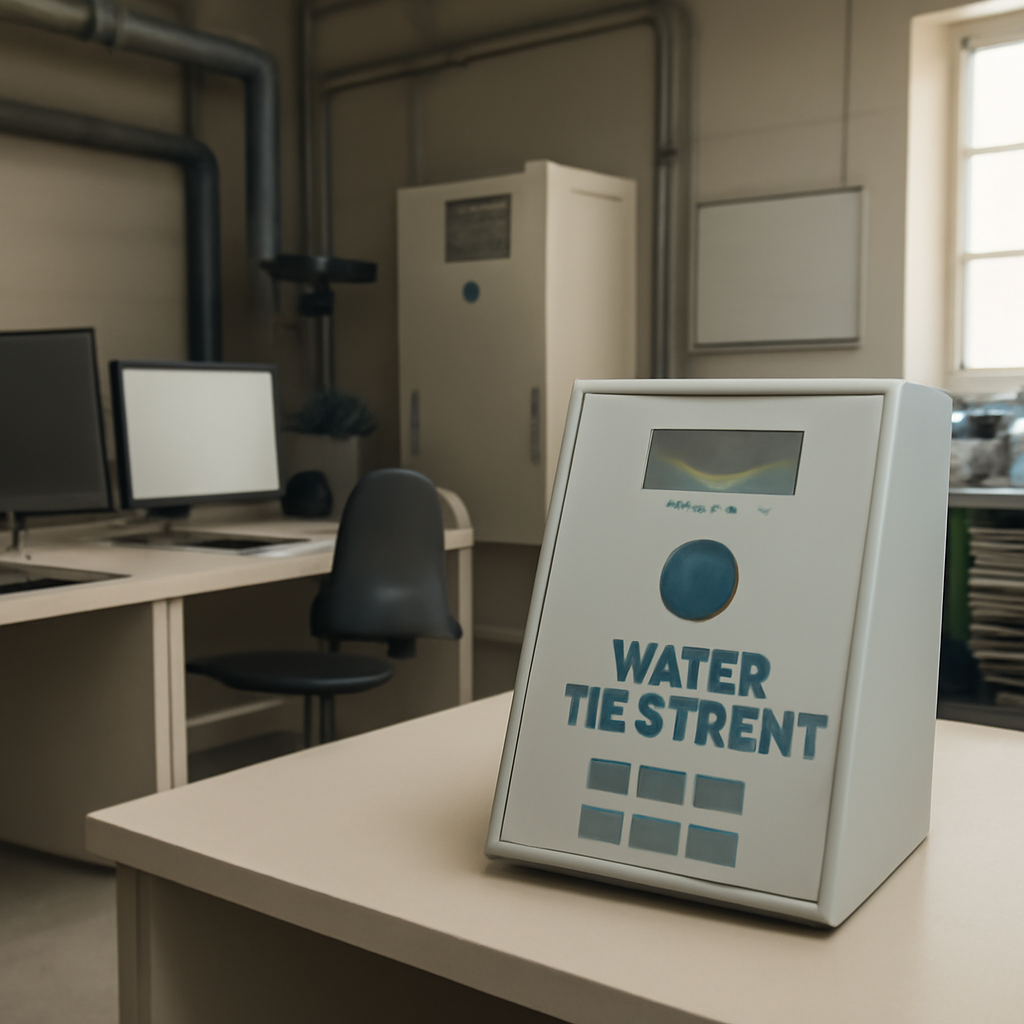
The Water Watch Center, a game-changing partnership between the National Rural Water Association and DEF CON Franklin, is revolutionizing cyber defense for small water systems by providing targeted support against rising threats. This innovative hub brings together top cyber firms to safeguard community water systems serving fewer than 10,000 people.

As TWZ celebrates its 10th anniversary, we're turning to you - our amazing readers - for your input on what's next. Help shape the future of TWZ by sharing your priorities, favorite formats, and topic suggestions with us!

The National Institute for Standards and Technology is calling for a major revamp of its National Vulnerability Database to better tackle software vulnerabilities in the AI-driven era. It's seeking public input on how to modernize the database and its processes to stay ahead of emerging threats.
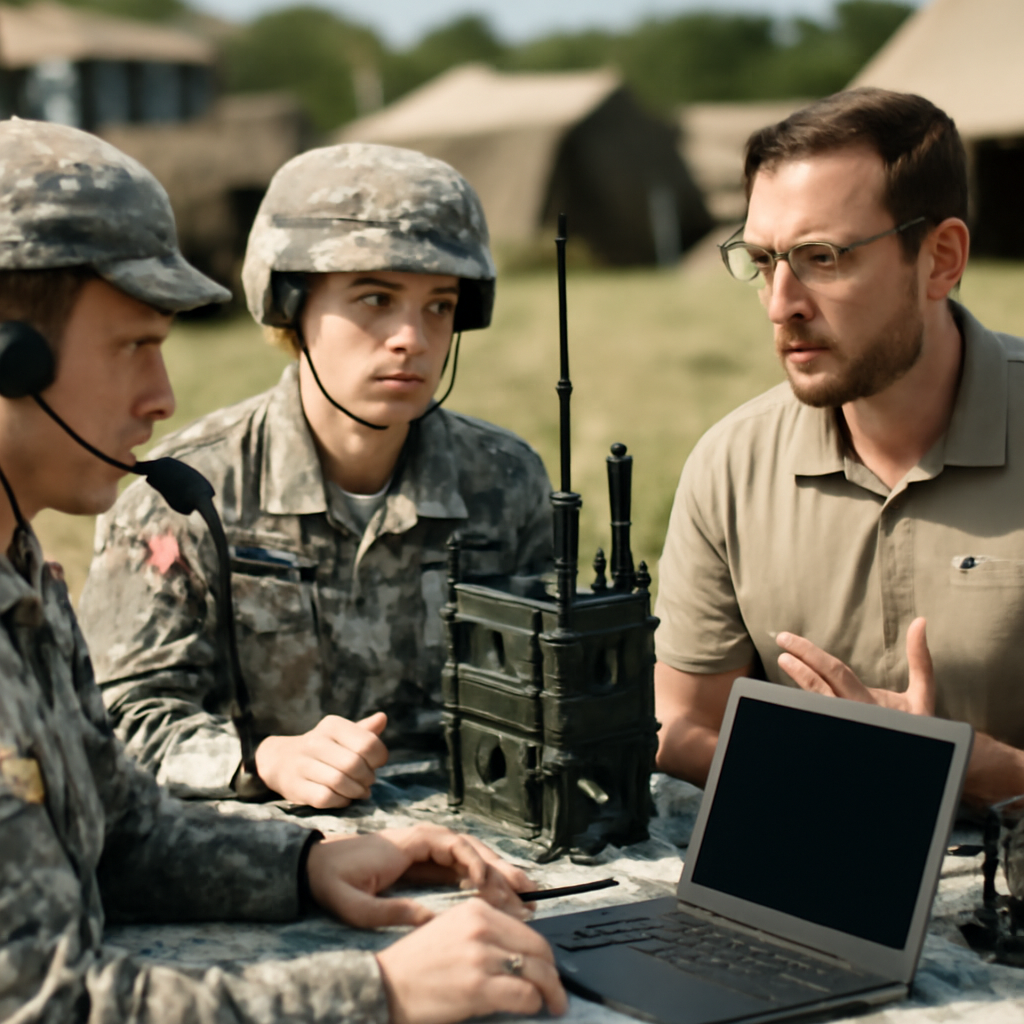
Imagine a future where soldiers can simply speak their commands into a microphone and have the system instantly understand and respond - that's the vision behind the US Army's Next Generation Command and Control system. By ditching clunky screens and embracing voice-activated tech, soldiers can focus on the mission at hand, not wrestling with hardware.

In a sneaky move, the Head Mare group exploited unpatched TrueConf servers to spread PhantomCore malware, using a chain of vulnerabilities to swap out legitimate client installers with infected ones. This allowed them to secretly deliver a backdoor to unsuspecting meeting participants.

Meet Kimwolf v7, a highly evolved botnet that's taken DDoS capabilities to the next level with its cutting-edge command-and-control resolution via Ethereum's blockchain naming system, ENS. First discovered in February 2026, this malware has been quietly building its arsenal since August 2024, targeting a range of devices from Linux IoT gadgets to Android TV boxes.
Cisco warns that a high-severity VPN flaw, CVE-2026-20349, is being actively exploited, allowing attackers to send crafted HTTP requests that can cause affected devices to reload and disrupt operations. This denial-of-service vulnerability can be triggered remotely without authentication, making it a critical threat.