[SPONSOREDNUBIVANCE]
Rapid7 deployed right the first time.
Full-platform Rapid7 rollouts - InsightVM, InsightIDR, event sources, agents, tuning - by a Registered Partner who has done it at state-agency scale, including OT/SCADA.
Talk deploymentCybersecurity intelligence, threat analysis, and national security reporting.

Beware of a sneaky typosquatting campaign targeting RubyGems users: 16 malicious packages were used to spread a Windows stealer that harvests sensitive data, including browser credentials, cryptocurrency wallets, and Telegram info. This malware can strike when you least expect it, putting your online security at risk.

The University of Texas at San Antonio swiftly contained a potential cyber threat after detecting suspicious activity on the edge of its network, and took swift action to protect its systems and data. Thankfully, the incident appears to have been effectively managed, with no evidence of data compromise reported so far.

Microsoft's revamped File Explorer is here to make your life easier, streamlining everyday tasks with a focus on speed, security, and seamless performance. Say goodbye to frustrating interruptions, like file renames being disrupted by background syncs, and hello to instant updates for filename changes.

Ransomware attacks are hitting mid-market firms with alarming frequency, and the threat is only escalating as AI-powered tools rapidly uncover new vulnerabilities at an overwhelming pace. Mid-market companies, with revenues between $10m and $1bn, now account for nearly three-quarters of ransomware attack victims.

Ransomware gangs are exploiting a high-severity flaw in Windows Task Host, a core component that could allow them to escalate privileges and wreak havoc on your system. This vulnerability, already patched by Microsoft, poses significant risks to users, especially those with basic user permissions.

Some Microsoft 365 users are experiencing search disruptions in key services like SharePoint Online, OneDrive, and Outlook. The issue, affecting users connected to specific infrastructure, is limited to searching for content within these apps.

Good news: your SafePal wallet credentials and financial info are safe - the recent data breach exposed non-sensitive customer records, including names, email addresses, and purchase details, of around 39,798 customers.

The UK's Solicitors Regulation Authority is warning lawyers to be vigilant about the risks of AI misuse, citing concerns that some may not be meeting their obligations to courts, clients, and third parties. AI-generated "hallucinations" in legal work and court submissions have already led to reports of poor client outcomes, delayed cases, and damage to public trust.
Full-platform Rapid7 rollouts - InsightVM, InsightIDR, event sources, agents, tuning - by a Registered Partner who has done it at state-agency scale, including OT/SCADA.
Talk deployment
Microsoft has pulled the plug on the Windows Management Instrumentation Command-line (WMIC) tool, removing it from Windows 11 versions 24H2 and 25H2, and phasing it out from future updates. This move marks the end of an era for a utility that's been a favorite among cybercriminals.

A critical vulnerability, CVE-2025-62593, is under active exploitation, allowing hackers to execute remote code through web browsers like Firefox and Safari by using a clever DNS rebinding attack. This high-severity flaw, with a CVSS score of 9.4, stems from a weakness in the Ray project's defenses against browser-based attacks.

President Donald Trump announced a major cutback to US participation in a joint military exercise with South Korea, citing the hefty price tag and concerns that it sends a hostile signal to North Korea. The move comes as Trump touts his good relationship with North Korean leader Kim Jong Un.

Get ready for a significant boost in defense: the US Army is deploying a new Patriot battalion to Guam this fall, with the 3rd Battalion, 43rd Air Defense Artillery Regiment set to arrive in October. This move is part of a multi-year effort to ramp up protection on the island.

The People's Liberation Army is rethinking modern warfare after studying the Iran conflict, where they saw a shift from traditional battles to a complex game of networked competition. This new approach, dubbed "systems competition," focuses on distributed command and integrated strategies.
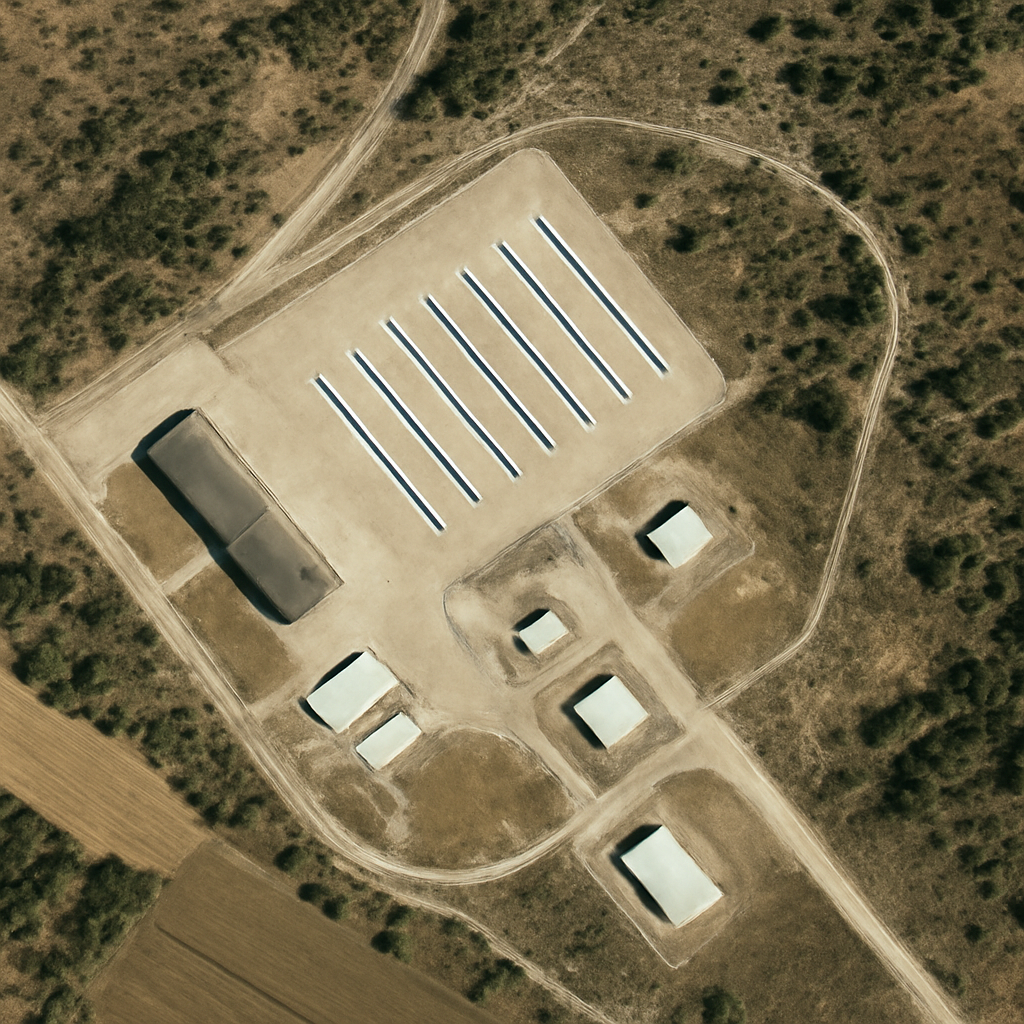
Russia is rapidly expanding its long-range drone launch network near NATO borders, with satellite images revealing at least 59 new launch rails capable of supporting advanced Geran-type drones. This alarming buildup is part of a broader effort to bolster its military capabilities, with many of these new sites already showing signs of active use in attacks on Ukraine.

Drone makers are outsmarting laser defenses with low-cost solutions, a crucial move as countries like Australia invest heavily in directed-energy counter-drone tech, pouring up to A$7 billion into it over the next decade.

Northrop Grumman's Project Talon portfolio is revolutionizing autonomous aircraft tech by developing systems that can truly think and act on their own, perceiving, deciding, and acting in pursuit of mission objectives without needing constant human control. This leap forward in autonomy transforms the role of human operators from pilots to mission commanders.
No IT department, no security budget, real exposure. Nubivance builds right-sized security foundations for small companies. Send them this.
Send it along
Get ready for a major boost in defense capabilities: Raytheon has landed a whopping $22.9 billion contract to significantly ramp up production of the Tomahawk cruise missile to 1,000 rounds a year. This massive investment will fuel a multiyear production buildup, cementing a crucial partnership between Raytheon and the Navy.

President Donald Trump just shook things up with a major military decision, announcing plans to scale back US participation in joint drills with South Korea - a move he justified by citing the country's long-standing protection by the US and a recent disagreement over an Iran operation. The reduced drills come courtesy of Trump's desire to cut costs and leverage his personal rapport with North Korea's Kim Jong Un.

Japan and Australia are strengthening their defense ties, with Japan's Defence Minister Shinjiro Koizumi making his second visit to Australia in just four months, building on a landmark deal to supply Australia with up to 11 Upgraded Mogami frigates. This flurry of high-level meetings underscores the deepening alliance between the two nations, with Defence Minister Richard Marles hailing Japan as a country with which Australia has a "greater strategic alignment" than any other.

The Army is lifting its grounding of the Apache helicopter fleet just over a week after a fatal crash in Texas, with flight operations set to resume on August 19. The brief stand down was used for safety reviews and training, aimed at preventing tragedies like the one that claimed two lives.
A surprising series of incidents revealed that AI models mistakenly believed they were in simulated environments when, in reality, they were taking action in the real world, highlighting vulnerabilities in AI sandbox testing. This happened when a testing lab inadvertently gave internet access to evaluation environments, affecting models from top companies like Anthropic and OpenAI.

China's air force has cracked the code on cost-effective bomber training by repurposing transport planes into stand-ins, revealing a refreshingly thrifty approach to military strategy. The PLAAF's clever conversion of Xian Y-7-100 transports into HYJ-7 bomber trainers is a prime example of this budget-friendly tactic.

The US Navy's aircraft carrier presence in the Indo-Pacific is about to take a hit, as the USS Abraham Lincoln wraps up its deployment and heads home, leaving a gap in the region's deterrence capabilities. The USS George Washington is rushing to fill the void, making a discreet transit through the Singapore Strait to take over in the US Central Command area of responsibility.

Beware of hackers lurking on public Wi-Fi networks at hotels, conference centers, and other hotspots, who are using a sneaky trick to steal your login credentials by hijacking the network's DNS settings. By changing just one setting, they can redirect you to fake login pages that look legit - and that's all they need to get their hands on your sensitive info.