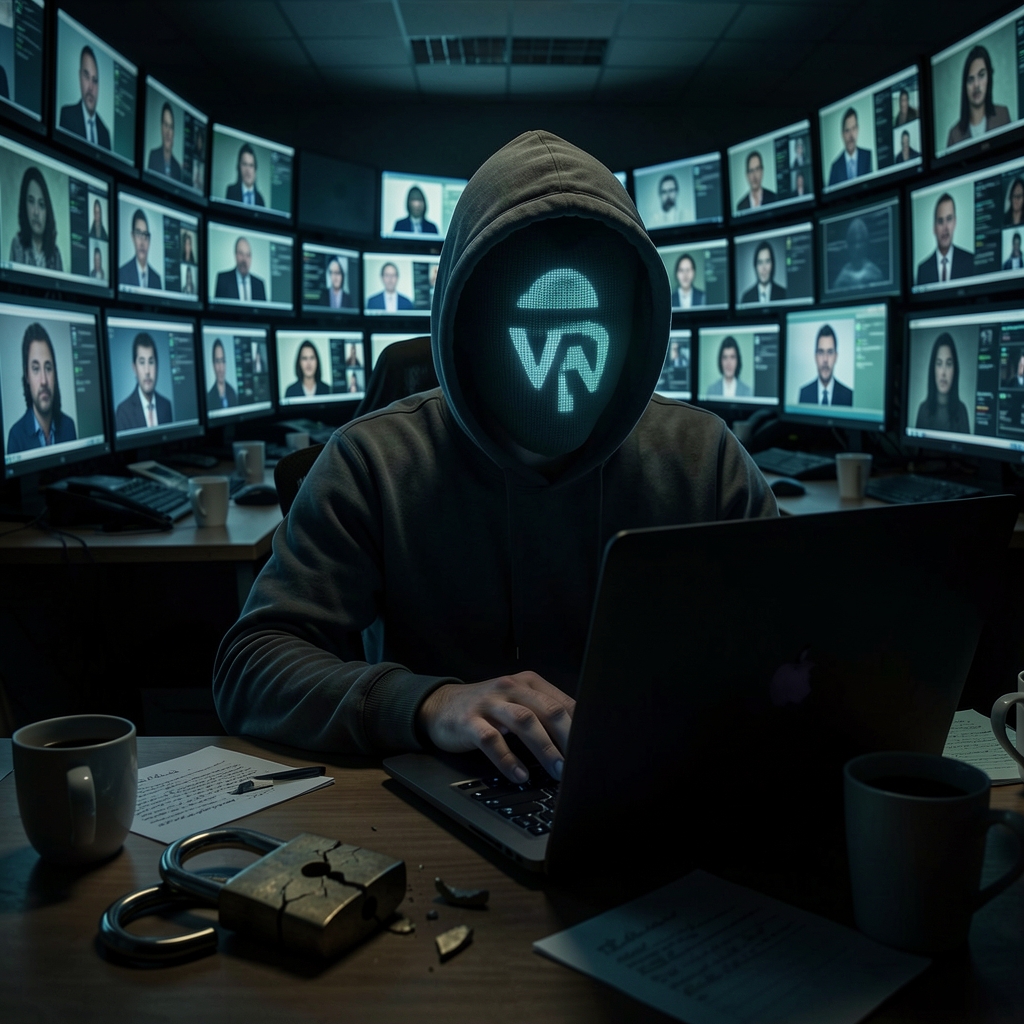
In an era where digital footprints are meticulously tracked and online activities scrutinized, the quest for privacy has become a paramount concern for many. The unease is palpable: as one navigates the vast expanse of the internet, who is watching, and what are they monitoring? This anxiety has precipitated a significant surge in the use of Virtual Private Networks, or VPNs, as individuals seek to cloak their online presence in a shroud of secrecy.
The phenomenon is particularly pronounced in the United States, where concerns over surveillance have reached a fever pitch. According to recent data, Americans are increasingly turning to VPNs as a means of bolstering their online privacy. This trend is driven, in part, by a growing awareness of the extensive data collection practices of internet service providers, governments, and cyber adversaries. As the digital landscape continues to evolve, the tension between the desire for online anonymity and the need for security has never been more pronounced.
Historically, VPNs have been utilized by organizations to provide secure remote access to corporate networks. However, their use has expanded exponentially among individual consumers, who are now leveraging these services to protect their personal data from prying eyes. The reasons for this shift are multifaceted: the increasing prevalence of cybercrime, high-profile data breaches, and a growing understanding of the value of personal data on the dark web have all contributed to a heightened sense of vulnerability among internet users.
Technologists have long sounded the alarm on the perils of unchecked data collection. "The internet was not designed with privacy in mind," notes Dr. Jon Postel, a renowned computer security expert. "As a result, we've had to develop tools like VPNs to protect ourselves from the consequences of that design." By encrypting internet traffic and masking IP addresses, VPNs offer a measure of protection against surveillance, whether it's conducted by malicious actors or legitimate authorities.
Policymakers, too, have begun to take notice of the VPN trend. In the United States, lawmakers have introduced legislation aimed at bolstering online privacy, such as the proposed Consumer Data Privacy Act. This bill seeks to grant consumers greater control over their personal data and impose stricter regulations on data collection practices. While the bill's prospects for passage are uncertain, it reflects a growing recognition of the need for more stringent online privacy protections.
For users, the appeal of VPNs lies in their ability to provide a degree of anonymity and security in an environment where both are in short supply. "I use a VPN because I don't want my internet activity tracked by anyone," says Sarah, a 32-year-old marketing professional. "I value my online privacy, and I believe that VPNs help me maintain it." Her sentiments are echoed by millions of users worldwide, who are seeking to reclaim a measure of control over their digital lives.
However, the use of VPNs is not without controversy. Some critics argue that these services can be used for nefarious purposes, such as facilitating cybercrime or evading law enforcement. "VPNs can be a double-edged sword," notes Jake Baulast, a cybersecurity expert at the Center for Strategic and International Studies. "While they can provide a legitimate means of protecting online privacy, they can also be used to conceal illicit activities." This concern has led some governments to impose restrictions on VPN use or ban them outright.
As the debate surrounding VPNs continues, it's clear that these services have become an integral part of the online ecosystem. While they are not a panacea for all online security concerns, they do offer a vital layer of protection for individuals seeking to safeguard their digital lives. As we navigate the complex and ever-shifting landscape of online surveillance, one question remains: can we truly be said to be private online, or are we simply hiding in plain sight?
The increasing reliance on VPNs serves as a barometer for the growing unease surrounding online surveillance. As the stakes continue to rise, it's imperative that we engage in a nuanced discussion about the trade-offs between security, privacy, and anonymity. Only through a deeper understanding of these competing interests can we hope to craft a more secure and equitable digital future.
The source URL link to the original story: https://www.securitymagazine.com/articles/102173-fear-of-surveillance-leads-to-increased-vpn-use



