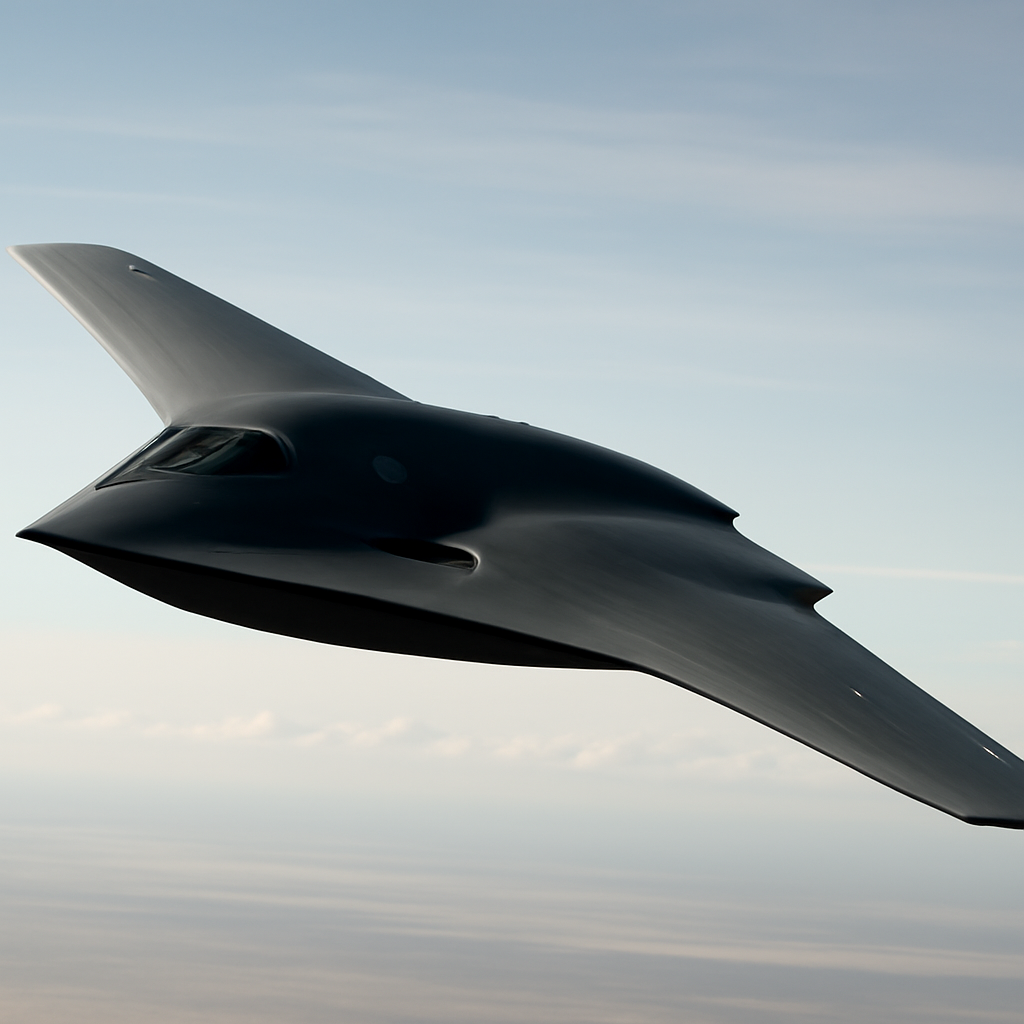
"We have not taken that off the table," then‑Air Force Chief of Staff Gen. David Allvin said when asked whether the B‑21 Raider might assume a larger role — a line that now appears to have moved from theoretical possibility into formal consideration inside a new Air Force fighter force structure report obtained by the press.
USAF's numerical goal: 1,509 combat‑coded fighters by 2035
The Air Force's near‑term force planning centers on a firm numeric target: 1,509 combat‑coded fighters in inventory by 2035, a figure the service describes as hundreds more than it has today. The plan calls for that increase to come from new F‑35As, F‑15EXs and the F‑47; it also leaves room for additional recapitalization options such as a new capacity fighter and increased reliance on Collaborative Combat Aircraft (CCA) drones, the report says, according to Aviation Week.
That ambition comes against a backdrop the report itself describes as deteriorating readiness: a "persistent decline in AA [aircraft availability] rates" tied to an inventory whose average age exceeds 31 years. The report ties readiness shortfalls to aging legacy fleets such as the F‑16C/D, F‑15E and A‑10C and frames divestment of the oldest airframes as necessary to fund modern platforms like the F‑35A and F‑15EX.
The B‑21 and bombers as air‑to‑air platforms
The new fighter report explicitly notes the service is "evaluating additional recapitalization options, including a new capacity fighter, increased reliance on CCAs, and developing air‑to‑air capabilities on bombers," per Aviation Week. The B‑21 Raider — cited repeatedly by analysts and past Air Force officials for its size, range, high ceiling, stealth and advanced sensors — is named specifically in past conversations as a bomber that could take on air‑to‑air functions.
Possible bomber roles under discussion range from loading bombers with direct air‑to‑air rounds to equipping them with sensors and networking capabilities that enable supporting or command functions. TWZ has detailed concepts in which the Raider serves as an arsenal ship for very‑long‑range missiles, a launcher for outsized missiles, a carrier of large volumes of smaller air‑to‑air weapons, and an airborne nerve center controlling CCAs that feed targeting data back to crewed bombers.

Audit-ready is a season. It shouldn't be.
Evidence in spreadsheets, controls drifting between audits, frameworks multiplying on flat headcount. Nubivance runs continuous compliance on Rapid7 Cyber GRC - SOC 2, HIPAA, ISO 27001, PCI, CMMC.
End the scrambleMissiles, DARPA LongShot, and defensive architectures
The broader weapon and systems context in the public record supports these bomber concepts. The Navy has fielded an air‑launched SM‑6 (AIM‑174B) and disclosed the AIM‑424 Malice in flight testing; the Air Force issued a June call for a new anti‑air missile with a maximum range of at least 1,000 nautical miles and has explored multi‑stage, modular designs for varying ranges. Separately, DARPA's LongShot effort seeks to show the concept of a missile‑carrying drone launched from a larger platform — a concept the Air Force, Army and Navy have worked on that explicitly illustrates how uncrewed effects could extend the reach and survivability of both fighters and bombers.
Defensive concepts also figure in the debate. Northrop Grumman, the B‑21 prime contractor, has patented an anti‑missile defense system for stealthy aircraft intended to fire hard‑kill interceptors; the Air Force and Navy have publicly expressed interest in similar defensive bubbles for larger aircraft. Such localized defenses could change how commanders evaluate bomber survivability in contested airspace.
What this means for the Air Force, Northrop Grumman, and CCA programs
- The Air Force: faces competing budget and sustainment pressures as it pursues both a larger fighter inventory and an expanded bomber and CCA force; the service is explicitly planning for at least 500 CCAs by 2032 and expects a new B‑21 topline to appear in the Fiscal Year 2028 budget proposal.
- Northrop Grumman: as the Raider prime contractor, it holds designs, patents and production pathways that could be decisive if bombers become weaponized for air‑to‑air roles or adopt active defensive systems.
- CCA program operators and drone manufacturers (General Atomics, Anduril and others named in program imagery): stand to expand roles as bombers are considered as controllers, launch platforms or node points in distributed kill webs; the Air Force has already procured early CCA airframes and aims for large scale fielding.
The Air Force report and related public comments do not lock in a single path. They instead lay out a hedge: buy more modern fighters, grow uncrewed fleets, and keep the door open to converting bombers into multi‑mission platforms capable of shooting, sensing or commanding in an air‑to‑air fight. The near‑term fiscal decision point to watch is the Fiscal Year 2028 budget, which the service says will include an updated B‑21 topline; until that document arrives, the service's intentions remain an active planning choice rather than a finished program of record.