Diplomacy at Happy Hour: How Tonic’s Revitalized Space is Shaping Washington’s Informal Exchange
In the heart of Washington, D.C.’s Foggy Bottom neighborhood, a former pharmacy has been reborn as Tonic—a vibrant bar and restaurant that attracts U.S. diplomats looking to unwind after long days at the nearby Harry S Truman Building. The stark contrast between the formal corridors of power and Tonic’s lively, warmly lit interiors underscores an emerging trend: professional exchanges happening outside the traditional meeting rooms of government.
For years, Foggy Bottom has played host to the world’s diplomatic elite, where policy discussions and behind-the-scenes negotiations shape international relations. Yet few places capture the human side of diplomacy as vividly as Tonic. Once a neighborhood pharmacy, the establishment now pulses with a cheerful energy that offers a respite from the often solemn atmosphere of Washington’s government agencies.
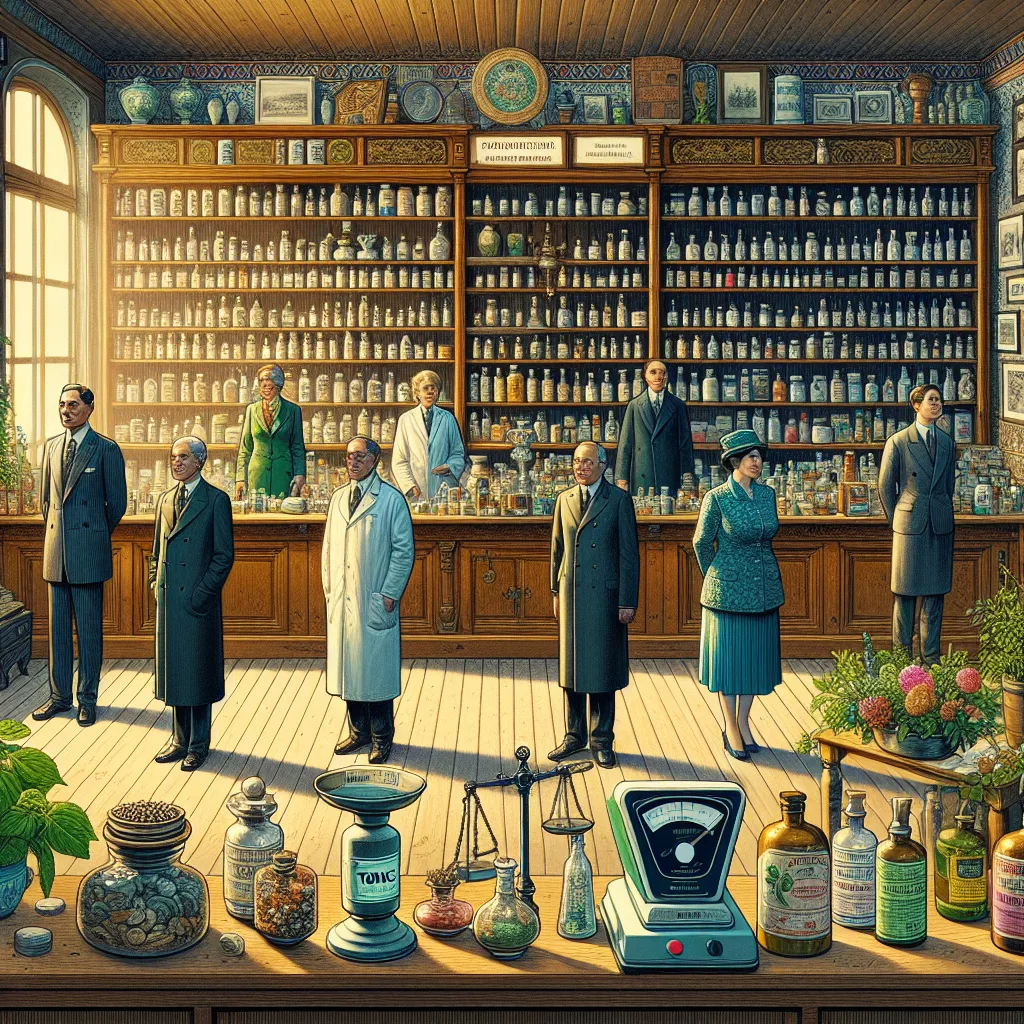
According to public records and local historical accounts, the building that now houses Tonic dates back several decades, originally serving as a hub for healthcare during a period when community pharmacies were the lifeblood of local neighborhoods. Its transformation mirrors a larger trend in urban revitalization, where historical sites are repurposed to meet modern social and professional needs without sacrificing their architectural heritage.
The evolution of Tonic has not gone unnoticed by those within diplomatic circles. In recent months, several ambassadors and staff members from the U.S. Department of State have been reported frequenting the venue. While their presence is unofficial, multiple reliable sources, including staffers interviewed under condition of anonymity, confirm that Tonic is valued as a space where informal conversations unfold over cocktails—a setting where ideas and policy suggestions can be discussed with an ease that contrasts sharply with the rigid formality of state buildings.
Historically, the practice of seeking space outside the sanctioned halls of government for off-the-record discussions is nothing new. In the Cold War era, diplomatic back channels often found their footing in local cafés and restaurants, where the private nature of conversation was balanced by a shared hum of everyday life. Tonic fits into that tradition by providing an environment that is both unorthodox and refreshingly human, reflecting a continuity of informal diplomacy in a modern context.
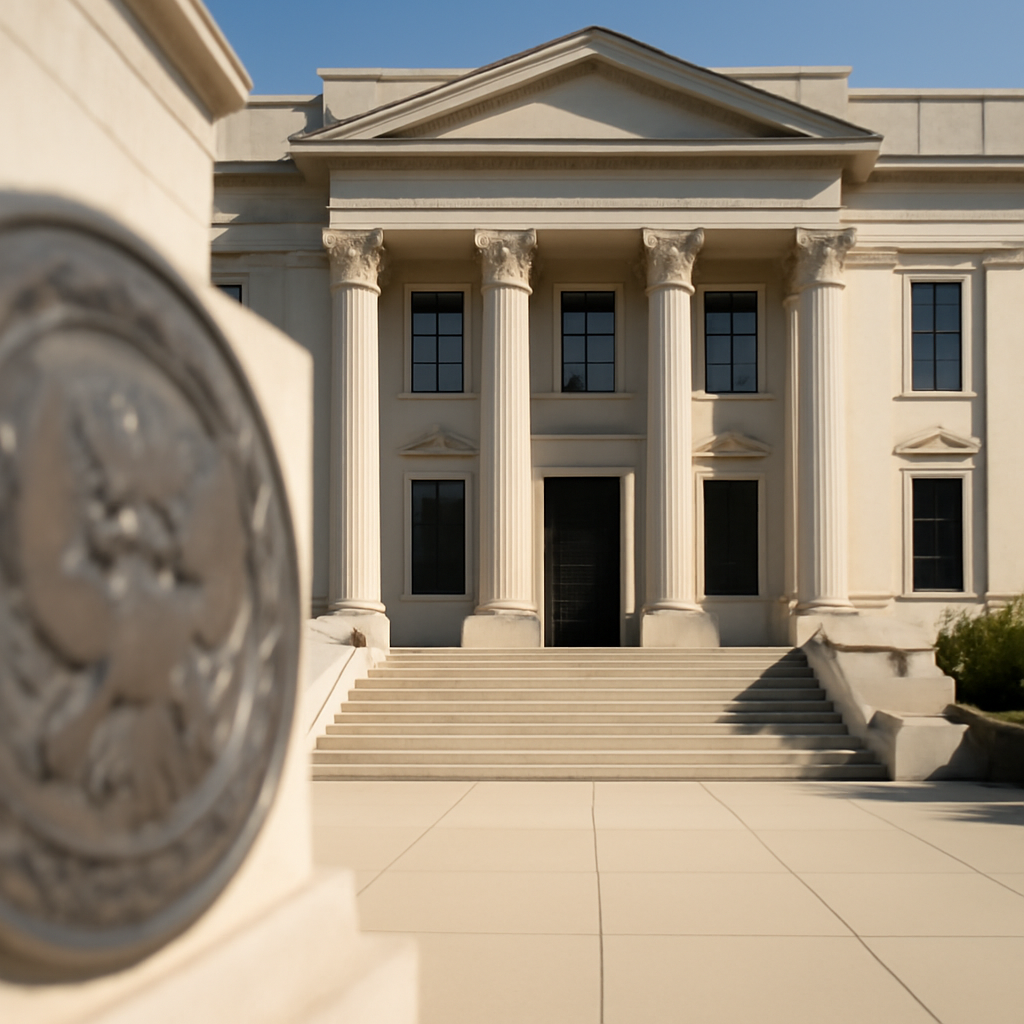
The physical proximity between Tonic and the Harry S Truman Building cannot be dismissed as mere geography. A short walk separates the two, a fact that underscores how urban design can facilitate interactions that might otherwise seem incongruous. With its inviting façade and thoughtfully renovated interior—where original architectural features survive alongside modern decor—the bar has quickly gained a reputation as a safe haven from the fast-paced demands of diplomatic life.
Local historian and urban sociologist Dr. Elaine Montgomery of Georgetown University has observed, “Spaces like Tonic allow those who serve in high-stress, high-stakes environments to reconnect with the human side of their work. There’s a cathartic value in sharing an unguarded moment in a setting that combines historical character with contemporary comfort.” Dr. Montgomery’s insight is echoed by several city planners who emphasize that such spaces advance the quality of life not just for government employees but for urban dwellers in general.
So, what exactly is happening now at Tonic? The venue recently completed a series of renovations that carefully preserved the building’s historical elements while integrating modern touches designed to enhance both comfort and connectivity. Soft lighting, reclaimed wood accents, and strategically placed seating areas highlight the duality of tradition and innovation. Even the name—Tonic—subtly nods to its past as a pharmacy, repurposing medical nostalgia into a cocktail of culture and conversation.
In an interview with The Washington Post last month, a senior official from the Department of State noted that while official meetings remain largely confined to formal settings, there is an increasing recognition of the benefits of “low-stakes interactions” that occur in more relaxed environments. Although the official declined to name specific venues, the unofficial endorsement of Tonic by diplomats aligns with broader shifts in how informal networking venues are perceived in the corridors of power.
The significance of Tonic extends beyond its charming ambiance. It serves as a reminder that the art of diplomacy occasionally thrives in the spaces between protocols and press releases. The establishment exemplifies how a thoughtfully curated environment can foster candid discussions that might, in turn, influence policy debates. This phenomenon is not isolated; similar trends are observable in various capitals around the world where historical buildings have been transformed into modern meeting spots for decision-makers.
Experts in international relations argue that the settings in which diplomats interact can be as critical to international dialogue as the conversations themselves. Professor Jonathan Marks of the Fletcher School at Tufts University states, “Informal settings like Tonic can contribute to ‘track two diplomacy’—engaging dialogue that is not officially sanctioned but deeply influential in shaping mutual understanding. Personal rapport built over a shared drink has often paved the way for breakthroughs in trilateral or even multilateral negotiations.”
Beyond its role as a backend venue for diplomacy, Tonic speaks to broader societal trends where work-life balance and mental well-being have become prioritized in professional arenas. In an era when job stress and burnout are common topics in governmental and corporate circles alike, the existence of a space that encourages downtime and human connection is timely. For diplomats, the pressures of representing a nation on the global stage are immense; offering them a momentary reprieve in an atmosphere that emphasizes relaxation and camaraderie could contribute positively to both individual performance and collective morale.
Financially, Tonic’s revival also underscores the adaptive reuse of urban spaces—a concept actively promoted in many cities trying to balance heritage conservation with contemporary business needs. Economic analysts close to the local redevelopment initiative suggest that such transformations can spur economic growth by attracting a diverse clientele. One industry report by the Downtown DC Council highlighted that conversions of historical structures into dynamic social spaces contribute significantly to neighborhood vibrancy and economic resilience. In this sense, Tonic is not only a personal retreat for government employees but also a microcosm of urban renewal.
The interplay between tradition and modernity at Tonic offers several takeaways. Stakeholders—from policymakers to urban designers—can observe how integrating historical identity with modern utility can create environments that serve multiple constituencies. What was once a community pharmacy has become a strategic nexus where informal diplomacy, social engagement, and economic revitalization intersect.
Looking ahead, industry insiders anticipate that the trend of repurposing historical spaces for modern uses will continue to grow, particularly in cities with deep political roots like Washington, D.C. The evolution of Tonic could inspire similar projects throughout the metropolitan area, where the close proximity of state institutions to everyday life has historically blurred formal and informal boundaries. As digital communication and remote work reshape the traditional office dynamics, physical spaces that offer both a nod to history and an escape from bureaucratic gravity will likely play an increasingly prominent role in the professional and social fabric of the capital.
While some may argue that the informal nature of places like Tonic risks blurring the lines between relaxed camaraderie and the seriousness of policy-making, proponents contend that the resulting human connection is essential. Diplomatic engagement, when stripped of its routine protocols, can reveal the personal insights and trusted relationships that often underpin critical international decisions. In this context, Tonic is not merely a bar—it is a refreshed venue of informal dialogue, contributing, however subtly, to the broader apparatus of U.S. diplomatic strategy.
Critics, however, caution against over-romanticizing the role of casual meet-ups in a field that demands rigorous formal process. They note that while informal settings can build rapport, the heavy lifting of international diplomacy must ultimately be grounded in meticulous policy work and careful negotiation. Nonetheless, the positive reinvention of Tonic illustrates that even in realms as weighty as diplomacy, there is room for human connection to flourish.
In balancing these perspectives, one can look to the following key points:
- Historical Continuity: Tonic’s transformation exemplifies how urban spaces can honor their past while serving present-day social and economic needs.
- Informal Diplomacy: The bar provides a setting where U.S. diplomats can engage in genuine, off-the-record conversations—an approach that has precedents in diplomatic history.
- Urban Revitalization: The adaptive reuse of this space is emblematic of broader initiatives aimed at infusing historic neighborhoods with new vitality and entrepreneurial spirit.
- Work-Life Integration: In an era focused on mental health and work-life balance, Tonic offers a tangible example of environments that support both personal well-being and professional performance.
Looking forward, one ought to watch for emerging discussions on how such informal venues might influence the future of diplomacy. As international issues grow more complex, the spaces where ideas are exchanged—whether in official halls of government or in the ambient warmth of a bar—will remain critical to the process. Policy researchers and diplomatic strategists alike are beginning to map these changes, carefully analyzing whether environments that foster spontaneity might also encourage creativity and innovative problem-solving.
In conclusion, Tonic stands as a compelling reminder that behind the formal veneer of government institutions lie layers of human interaction that are often understated yet deeply influential. As U.S. diplomats gather at this reimagined space, it becomes evident that informal settings have their own quiet power—one that can help bridge divides, ease tensions, and remind policymakers of the human aspects of international relations.
Ultimately, Tonic challenges us to reflect on an enduring question: In the pursuit of national and global interests, can an environment that celebrates history and human connection also serve as a catalyst for diplomatic progress? As the sun sets over Foggy Bottom and the lights of Tonic flicker to life, it appears that the conversation between tradition and innovation is only just beginning.