Ukraine’s New Drone: A Pivotal Move in the War Against Shahed Threats
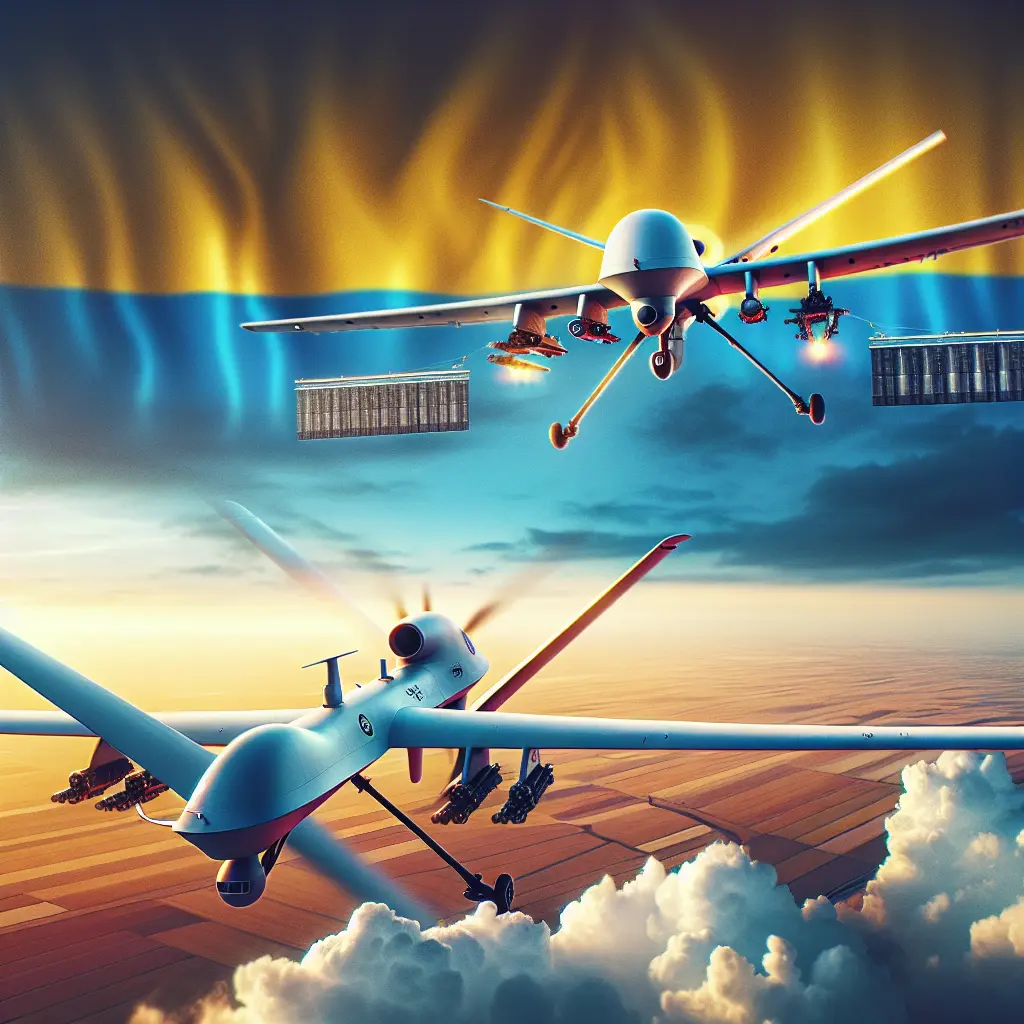
In a bold and strategic step against the persistent drone assaults from Russian forces, Ukraine has introduced a domestically developed interceptor drone aimed specifically at countering the Iranian-made Shahed-136 loitering munitions that have become a staple in nighttime raids. As Ukrainian cities brace for continued aerial threats, this development raises questions about both the technological arms race between Kyiv and Moscow and the evolving nature of modern warfare.
For months, these Shahed drones have wreaked havoc across Ukraine, targeting energy infrastructure and civilian areas, instilling fear and causing widespread damage. With Russia employing these drones as a cost-effective means of attack—often involving swarms to overwhelm defenses—Ukraine’s latest military innovation is not just timely; it may prove crucial in altering the dynamics of air defense.
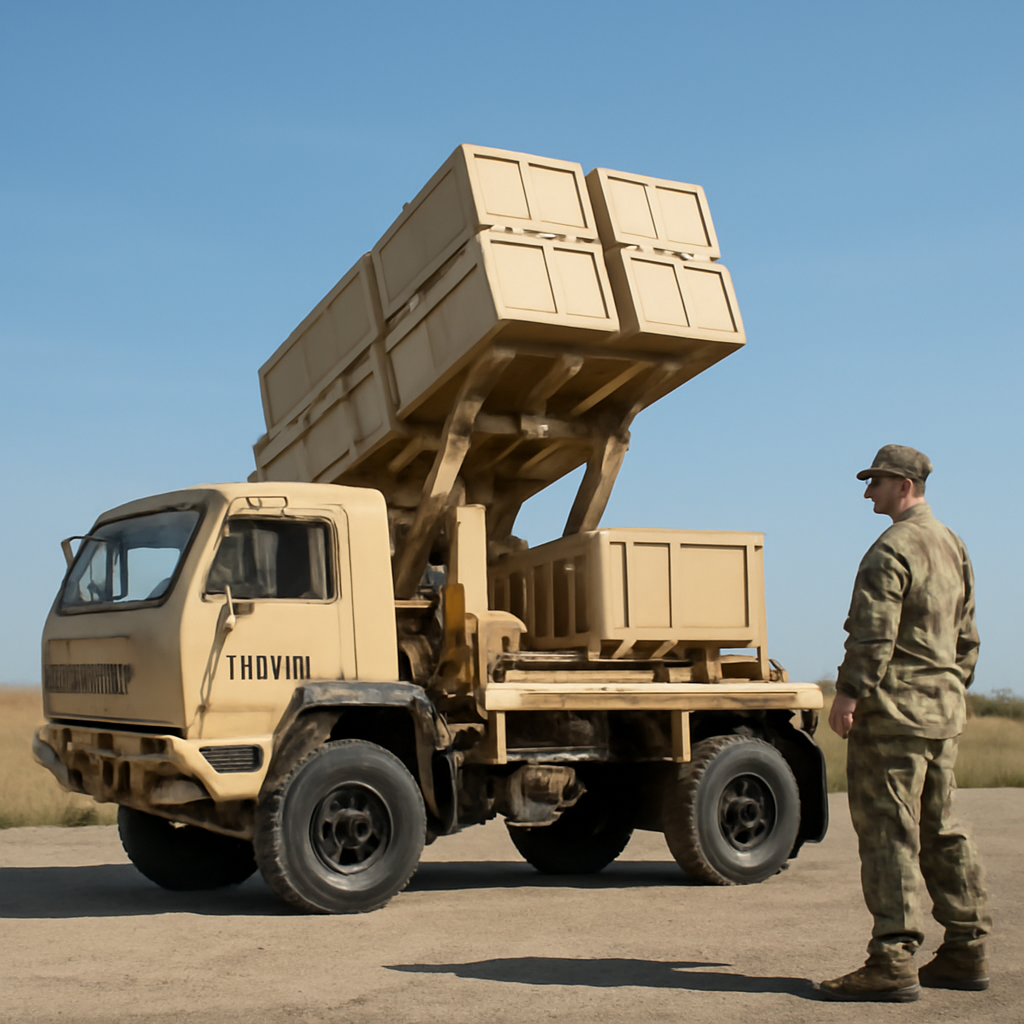
This new platform, unveiled by Ukraine’s Air Force Command West, is composed of lightweight carbon fiber and features a high-thrust engine tailored for speed and altitude. It represents an escalation in Ukraine’s drone capabilities, following prior successes with other unmanned systems designed for reconnaissance and combat. The importance of intercepting loitering munitions like the Shahed-136 cannot be overstated; their relatively low-cost production contrasted with significant destruction potential makes them an attractive option for aggressors.
The backdrop to this announcement is critical. In late 2022, Russia began ramping up its use of these drones during its ongoing military campaign in Ukraine, utilizing them to disrupt civilian life and deplete Ukrainian resources. The Iranian government’s role in supplying these drones to Russia highlights an international dimension to the conflict, drawing in geopolitical stakes that extend far beyond Eastern Europe. This collaboration has raised alarms among Western allies regarding the implications for global security dynamics.
As for what is happening now, Ukraine’s deployment of this new interceptor drone comes amidst intensified combat operations and increased support from Western allies who have been providing advanced air defense systems. The urgency behind this move reflects not only the immediate need to mitigate damage from ongoing attacks but also Ukraine’s broader strategy of transforming its military capabilities through indigenous innovation. Reports indicate that these new drones will be integrated alongside existing air defense solutions to create a more robust response framework.
But why does this matter? At its core, Ukraine’s ability to effectively neutralize threats posed by such drones could significantly impact civilian safety and operational efficiency across various sectors—particularly energy. Last winter, countless Ukrainians endured power shortages due to sustained strikes on infrastructure; averting similar scenarios could bolster public morale and stability while allowing governmental operations to function more seamlessly amid ongoing warfare.
Experts view this development through multiple lenses. Military analysts suggest that while introducing new technology can enhance defensive capabilities, there is also a risk involved when scaling up production without sufficient testing or integration with existing systems. Furthermore, as one NATO official noted under condition of anonymity: “While every improvement helps on the battlefield, success will hinge on real-time adaptability against increasingly sophisticated adversary tactics.” This indicates that while the new drone adds a layer of complexity for Russian forces, countermeasures are likely already being developed or deployed.
Looking ahead, observers should watch for several key developments: First, how effectively these drones are integrated into existing operational frameworks will likely dictate future success rates against aerial attacks. Additionally, the response from Russian military command must be considered; they may adapt their strategies or introduce countermeasures designed specifically to mitigate this newly revealed threat. Finally, as international support continues to flow into Ukraine—both militarily and economically—the implications for long-term sustainability in Ukrainian defense efforts remain an important narrative thread.
In conclusion, as Ukraine rolls out its latest weapon in the ongoing fight against aerial assaults from Russian forces, one might ask: Is this innovation merely a momentary advantage in a drawn-out conflict or could it signify a turning tide in asymmetric warfare? The answer may shape not only the outcome of battles yet to come but also the overall trajectory of regional security and political alliances across Europe.