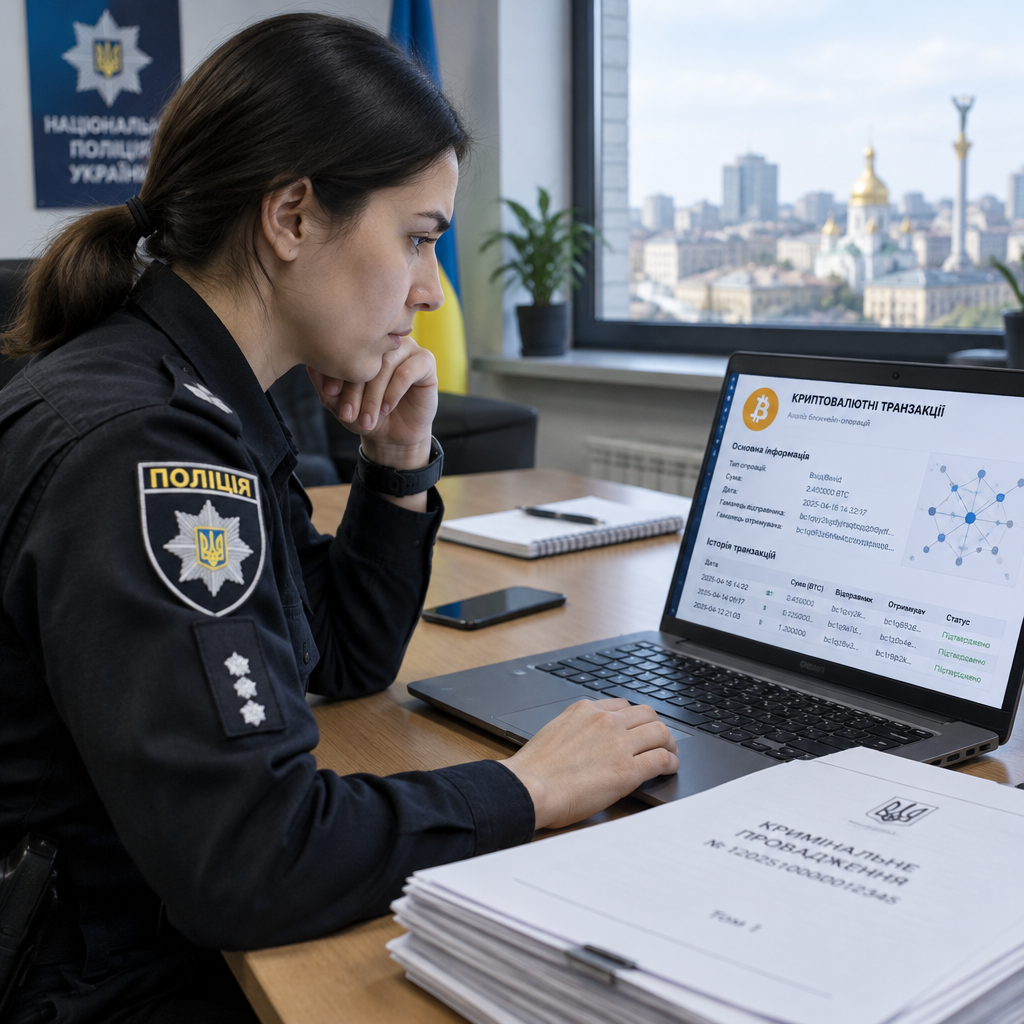
"They assisted victims in opening accounts on cryptocurrency exchanges, purchasing digital assets and transferring them to accounts controlled by the criminal organisation," the Ukrainian Cyber Police said.
How the scam operated
Ukrainian investigators say the network ran classic investment frauds often called romance baiting or "pig butchering" scams. According to the Cyber Police, criminals used social media, dating sites and messaging apps to entangle targets, then employed phone calls and messaging to build trust through social engineering. Victims were encouraged to invest in cryptocurrency, shares and other financial instruments through sham online trading platforms; rather than investing, the suspects siphoned the funds into accounts the organisation controlled. In some cases, the suspects also gained access to victims' online banking accounts.
Scale of the theft and who was targeted
The Ukrainian authorities report the network stole more than €4.3 million from 135 German victims. The crime ring targeted potential victims across the European Union, with Germany accounting for the 135 confirmed cases cited by investigators. The Cyber Police described a flow of funds that moved through bank accounts, cryptocurrency exchanges and transit wallets, then was converted and distributed among members of the criminal organisation.

Audit-ready is a season. It shouldn't be.
Evidence in spreadsheets, controls drifting between audits, frameworks multiplying on flat headcount. Nubivance runs continuous compliance on Rapid7 Cyber GRC - SOC 2, HIPAA, ISO 27001, PCI, CMMC.
End the scramblePolice action, seizures and arrests
After two rounds of searches in August and September in the Kyiv, Vinnytsia, Zaporizhzhia and Ivano-Frankivsk regions, Ukrainian police detained four members of the investment scam ring, including the leader and three accomplices. During the searches, law enforcement officers seized over $90,000, nearly 600,000 Ukrainian Hryvnia (roughly $13,000), hardware cryptocurrency wallets, mobile phones, SIM cards, computer equipment and other evidence.
Charges, detention and international cooperation
The detained suspects are held in pre-trial detention and face up to 12 years in prison if found guilty on charges related to fraud and the creation, leadership of, and participation in a criminal organization. The investigation involved Ukraine's Cyber Police Department, the Main Investigation Department of the National Police of Ukraine, and German law enforcement authorities, reflecting cross-border cooperation between Ukrainian and German investigators on crimes that victimised EU citizens.
What this means for German victims, cryptocurrency platforms, and law enforcement
- German victims and EU citizens: The case underlines a persistent threat from social-media-driven investment frauds that can lead to both cryptocurrency transfers and, in some instances, compromised online banking accounts. Victims should expect evidence to be collected from seized devices and financial trails to be central to prosecutions.
- Cryptocurrency exchanges and banks: Investigators say proceeds were moved through exchanges, bank accounts and transit wallets before being converted and distributed. Exchanges and financial institutions that process suspicious transfers may increasingly find themselves involved in cross-border investigations and asset-tracing efforts.
- Ukrainian and German law enforcement: The operation demonstrates coordinated investigative activity across borders — Ukraine's Cyber Police and the National Police worked with German authorities to identify victims, trace funds and execute searches and arrests. The arrests follow other large actions cited by Ukrainian authorities: a December takedown of another fraud network that scammed Europeans out of more than €10 million, and an August shutdown of 94 fraudulent call centers.
This enforcement action delivers tangible evidence — seized cash, cryptocurrency hardware wallets, phones and computer equipment — and a legal pathway that could lead to lengthy sentences if convictions follow. It also fits into a string of recent Ukrainian efforts, cited by authorities themselves, to dismantle call-center–style investment frauds that reach across European borders.
Whether these arrests will measurably reduce the flow of scams into EU victims remains an open question; for now, the case provides prosecutors with a financial trail and digital evidence that could help hold organisers accountable. Read the original report from BleepingComputer here: https://www.bleepingcomputer.com/news/security/ukraine-dismantles-crypto-scam-network-that-stole-43-million/