Tag: social engineering
439 articles

Unit 42 Threat Intel Exposes Top Vectors for Initial Access Attacks
Cyber attackers are exploiting weaknesses in public-facing systems and using stolen credentials to gain a foothold, with a growing reliance on external edge exploitation and identity compromise. This alarming trend highlights the need for robust defenses to protect against initial access attacks.

Help TDS Exposes Hotejka's Tech Support Scam Network
Infoblox has uncovered a tech support scam network run by Help TDS, which tricks users into calling centers where scammers use social engineering to get them to install remote desktop tools. This scam has been linked to a Russian affiliate program called Hotejka, which may be a rebrand of the traffic monetization operation ROI777.

ASOS Breach Exposes Customer Data After Credential Theft
ASOS recently fell victim to a sneaky social engineering attack, where hackers tricked an employee into handing over their login credentials, allowing the attackers to access sensitive customer data stored on third-party platforms. The company quickly sprang into action, locking down the affected platforms to prevent further damage.
Phishing Emails Embed AI Prompt Injections to Target Human and Machine
Phishing emails are now cleverly embedding AI prompt injections to deceive both human recipients and machine learning-based email summarizers, allowing scammers to target two victims at once. These sneaky attacks use techniques like hidden text and encoded data to conceal their malicious intent.
Phishing Sites Impersonate AI Chatbots to Capture Credentials
Scammers are now using a sneaky new tactic, impersonating popular AI chatbots like ChatGPT and Gemini to trick you into handing over your login credentials and multi-factor authentication codes. They're using a clever browser-in-the-browser technique to create fake sign-in windows that look legit, but can steal your info in real time.

Microsoft Warns of ClickFix Attack Hiding VBScript in Browser Cache
Beware of the sneaky ClickFix attack, where hackers hide a malicious VBScript payload in your browser cache, disguising it as an innocent image - and Microsoft is sounding the alarm. A clever trick allows attackers to get a head start, loading the script into your cache before you even take action.

Microsoft X Account Hijacked in Crypto Pump-and-Dump Scam
Microsoft's official X account was hijacked by unknown attackers, who used its 13 million followers to promote a cryptocurrency token in a pump-and-dump scam, prompting the company to apologize and vow to take legal action. The account has since been secured and Microsoft is investigating the incident.

China-linked group targets US AI policy experts with phishing campaign
A cunning phishing campaign impersonated top US AI policy voices, including a former White House science advisor and a renowned economist, to gain the trust of targeted experts. The attackers carefully crafted initial messages that seemed to invite recipients into an AI policy advisory committee or a report collaboration, slowly building a relationship before making their next move.

Microsoft Warns of Dual-RMM Phishing Attacks Deploying ScreenConnect
Beware of phishing attacks that disguise themselves as legitimate software installs - hackers are using fake filenames to trick you into giving them remote control of your device. Microsoft has uncovered a sneaky campaign that uses a genuine MSP360 installer to gain an initial foothold on affected devices.

McDonald's Customer Data Platform Breach Exposes 40M Records
If you're one of the 28 million McDonald's customers whose data was exposed, you may be at risk of social engineering scams and loyalty fraud due to the breach of sensitive info like names and loyalty point transactions. This massive data leak, which also included 71,000 corporate records, is a stark reminder to stay vigilant about protecting your personal data.

ChatGPT Abused to Deliver Trojan Malware via ClickFix Attacks
Beware of a sneaky malware attack that's using ChatGPT and other trusted brands to trick you into downloading Trojan malware via a clever ClickFix scheme. Don't fall for it - no legitimate site will ever ask you to copy and paste a command to prove you're human!

Criminals Expose Blunder in Google Voice Phishing Scam Recruiting Ad
Criminals trying to scam people into giving up their Google account info got caught out by their own careless mistake - a recruitment ad that included a script to read out loud, despite claiming no script reading was required. The blunder was exposed in a Telegram post seeking voice callers for a fake Google Security Team phishing operation.

RemControl Trojan Targets Android Users with Accessibility Exploit
Beware: the RemControl Trojan is targeting Android users with a sneaky accessibility exploit, putting over 30 major banks and their customers at risk across six countries. It starts with a clever fake Google Play Store page trick, disguising itself as a harmless app update.

MacSync Malware Exploits iCloud Calendars for Payload Delivery
Meet MacSync, a sneaky new malware that's exploiting iCloud calendars to spread its reach - it hides commands in public calendar events to download its next-stage payload. This Swift-based infostealer has recently upgraded its tricks, using social engineering and fake apps to infect Macs.

ClickFix Malware Exploits Legitimate Sites via Clipboard Trickery
Beware of ClickFix malware, a sneaky threat that's taking over 47% of enterprise networks by tricking users into pasting a malicious command into their own systems. It starts with a fake fix for a common problem, quietly copying a malicious command to your clipboard and asking you to paste it into a trusted tool.

Malicious Site Exploits Placeholder Domain to Target Windows Users
This sneaky malicious site uses a simple yet effective trick to target Windows users, pretending to be a harmless CAPTCHA verification process while secretly loading a PowerShell command that puts users at risk. By tailoring its attack to only Windows users, the site's operators increase the likelihood of a successful exploit.

Gartner Warns CISOs to Update Playbooks for Multimodal Deepfake Threats
Almost half of CISOs have faced a deepfake incident in the past year, and with AI-driven social engineering attacks on the rise, it's clear that outdated playbooks won't cut it against these emerging threats. It's time for CISOs to update their strategies to stay ahead of sophisticated multimodal deepfakes.

Rust Project Warns of Fake Job Interviews Used to Spread Malware
Scammers are tricking people into installing malware or executing malicious commands by posing as potential employers or clients on video calls, often under the guise of a job interview or contract opportunity. They set up fake company profiles and LinkedIn pages to make their ruse appear legitimate.

Revolut Phishing Attacks Surge After Data Breach
Hackers are taking advantage of a recent data breach at Revolut to ramp up phishing attacks, with scammers sending convincing smishing messages to customers in an attempt to harvest more account information. These attacks are getting more sophisticated, with scammers even collecting selfies or videos to fuel further identity fraud or scams.

China Develops AI to Refine Global Propaganda Tactics
Meet Huanyu Zhiying 1.0, an AI system that can simulate foreign media reporting and craft tailored responses to shape global public opinion. This cutting-edge tool can mimic the perspectives of over 10,000 users across 18 countries, allowing China to refine its global propaganda tactics like never before.
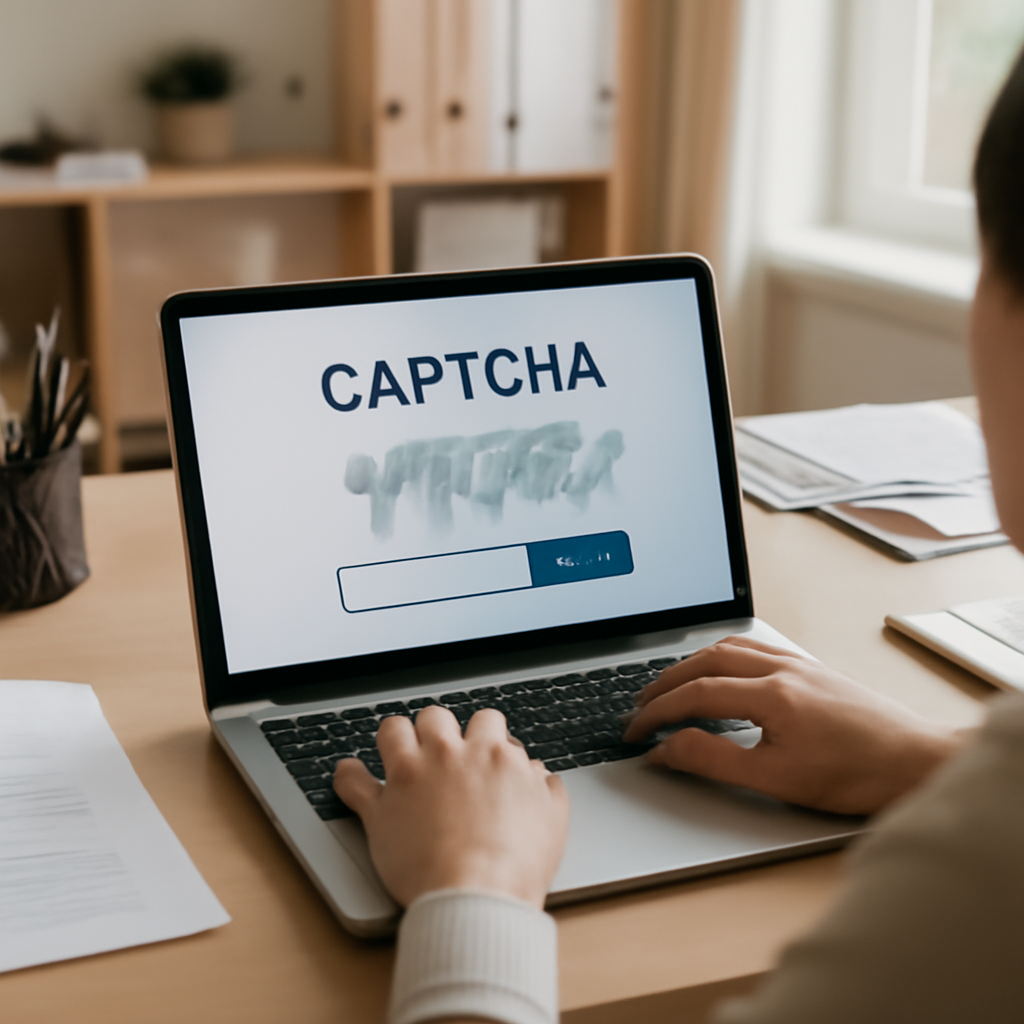
Malware Exploits Fake CAPTCHAs to Harvest User Data
Scammers are tricking users into handing over sensitive info by disguising malware as a familiar CAPTCHA challenge, taking advantage of our trust in these security checks. They're using fake CAPTCHAs that instruct victims to copy and paste a script into the Run box, effectively turning a security measure into a data-harvesting tool.

Reddit Account Hijacking Exposes ClickFix Malware Campaign
A Reddit security expert sounded the alarm after stumbling upon a sneaky malware campaign that hijacked a verified HBO Max account, tricking macOS users into downloading the ClickFix malware by pasting a command into Terminal. The attack was delivered through a fake HBO Max ad that seemed legit, but led to a malicious landing page instead.

Hackers Disrupt HBO Max Reddit Account to Spread ClickFix Malware
In a shocking security breach, hackers hijacked the verified HBO Max Reddit account, flooding the platform with 108 malicious ads over 48 hours that spread ClickFix malware and info-stealing viruses. The attackers used a clever social engineering tactic, tricking users into downloading malware by promising a native macOS HBO Max app.

Microsoft Cloud Accounts Targeted in Passkey Phishing Campaigns
Microsoft uncovered a massive phishing campaign that sent over a million scam emails in just three days, cleverly impersonating CEOs and other executives to trick companies into divulging sensitive info. The attackers then switched tactics, using passkey-themed social engineering to hijack cloud accounts and steal corporate files.