"This game-changing investment will strengthen our Armed Forces on land, at sea and in the air, ensuring our servicemen and women have the cutting-edge capabilities they need to deter evolving threats and keep the British people safe," Prime Minister Keir Starmer said of the plan, according to the Ministry of Defence's release.
MoD previews a £13.5 billion Defence Investment Plan
The United Kingdom's Ministry of Defence has released a preview of the long-awaited Defence Investment Plan (DIP) ahead of an official rollout that Prime Minister Keir Starmer is scheduled to kick off with a speech Tuesday at a "British defence firm." The MoD said the total investment in the plan is reported to be £13.5 billion, substantially below the £28 billion the department had originally requested.
£5 billion "drone transformation" and new operational goals
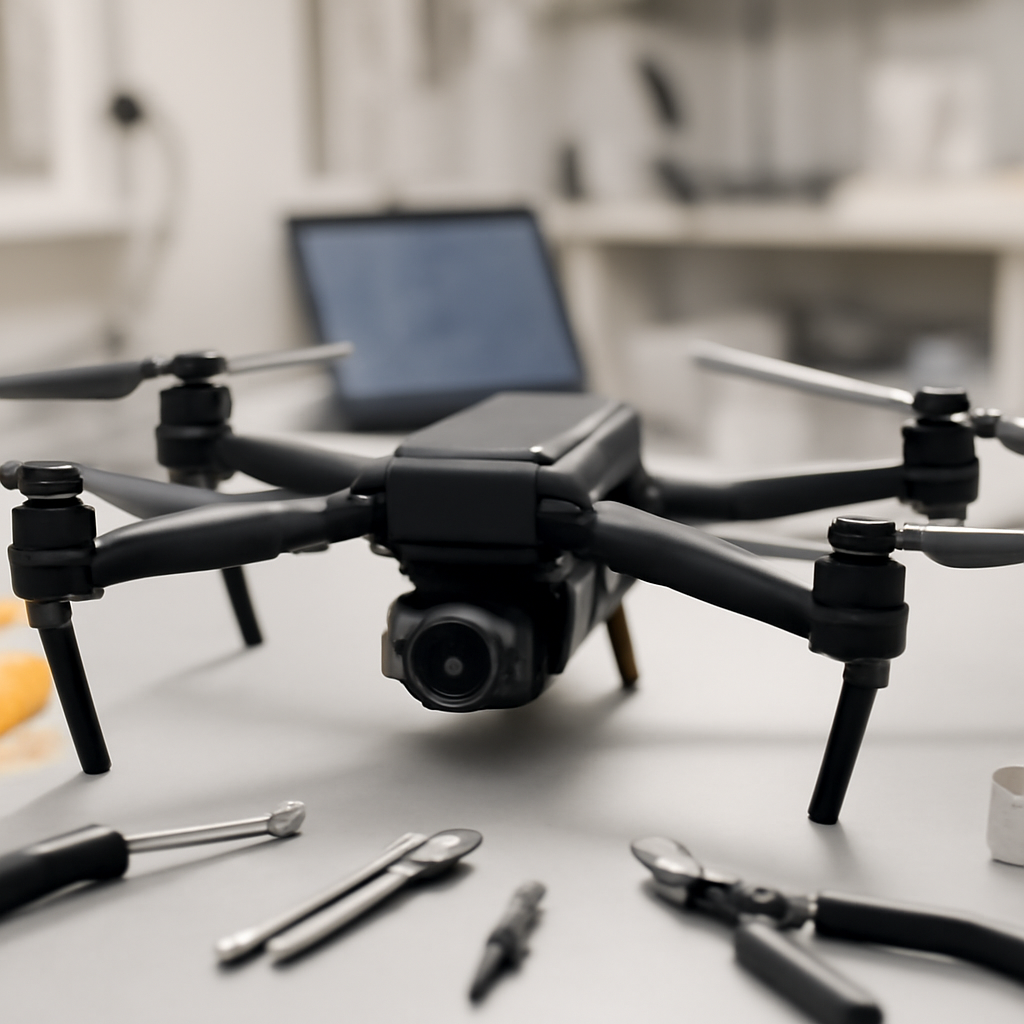
The MoD flagged a £5 billion (£6.6 billion) package specifically for what it calls a "drone transformation." The stated goal is to "build a flexible, integrated force with attack drones flying alongside Army helicopters, RAF jets made invisible from enemy detection with new drones, and a hybrid Royal Navy made up of crewed and uncrewed vessels," the MoD said. The department described the investment as intended to deliver attack-capable unmanned systems across land, air and sea roles.

Audit-ready is a season. It shouldn't be.
Evidence in spreadsheets, controls drifting between audits, frameworks multiplying on flat headcount. Nubivance runs continuous compliance on Rapid7 Cyber GRC - SOC 2, HIPAA, ISO 27001, PCI, CMMC.
End the scrambleCommon Combat Vessel: replacing Type 83 with a "hybrid" navy
Among the most consequential shifts described is a move away from procuring Type 83 destroyers. Instead, the MoD said the Royal Navy will acquire "at least six" Common Combat Vessels. The Common Combat Vessel is envisioned to serve as a "control hub" for a fleet of aerial, surface and underwater drones. "Rather than concentrating capability in a small number of large, expensive ships, the Royal Navy’s shift to a hybrid navy will mix crewed and uncrewed capabilities and be more suited to the pace and nature of modern warfare," the MoD said.
Collaborative Combat Air demonstrator and Project PANTHEON
The DIP preview announced a "new, national Collaborative Combat Air programme," described as the "development of new autonomous fighter jets which will fly alongside crewed jets, to defend the UK’s skies with a demonstrator flying by at least 2030." The MoD presented this as separate from Project PANTHEON, which it described as an effort to develop "a Hybrid Carrier Air Wing, including trialling jet-powered drones to work alongside our F-35B force."
Land investments: expendable autonomous systems and rapid uncrewed production
On land, the MoD said it would make a "major investment into inexpensive expendable autonomous systems and loitering munitions" and establish a new program to "rapidly develop and produce uncrewed vehicles and their associated mission systems." The language underscores a push toward large numbers of lower-cost, potentially consumable unmanned systems rather than a small number of high-cost platforms.
Funding shortfall and ministerial reshuffle
The DIP's reduced topline funding coincided with recent political turmoil at the MoD. The sharp disagreement over defence funding was cited as a factor in the surprise resignation earlier this month of the secretary of state for defense, John Healey, who has been replaced by Minister of State at the Home Office Dan Jarvis. The MoD said Jarvis has spent the last several days on the job "refocusing" the DIP "so that it prioritises getting the latest kit into the hands of military personnel, including for the UK’s elite Commandos."
What this means for the Royal Navy, the RAF, and the Army
- Royal Navy: The service will trade an emphasis on large, expensive destroyers for "at least six" Common Combat Vessels intended to act as control hubs for mixed fleets of crewed and uncrewed vessels and drones.
- Royal Air Force (RAF): The RAF is slated to receive new autonomous combat aircraft capabilities through the Collaborative Combat Air programme, including a demonstrator by at least 2030, and to benefit from unmanned systems designed to reduce detectability of crewed jets.
- British Army: Land forces will receive investments in inexpensive expendable autonomous systems, loitering munitions, and a new rapid-production program for uncrewed vehicles and their mission systems.
The MoD preview frames the DIP as a strategic reorientation toward unmanned and hybrid systems across all three domains — air, sea and land — but it does so within a markedly reduced budget compared with original MoD ambitions. The department has promised fuller publication of the Defence Investment Plan on Tuesday; until then, the preview sets out a clear prioritisation of drones, hybrid naval hubs and rapid uncrewed production alongside a ministerial effort to accelerate delivery of equipment to frontline units.
Original reporting: In Defence Investment Plan preview, Britain bets big on drones, ‘hybrid’ navy