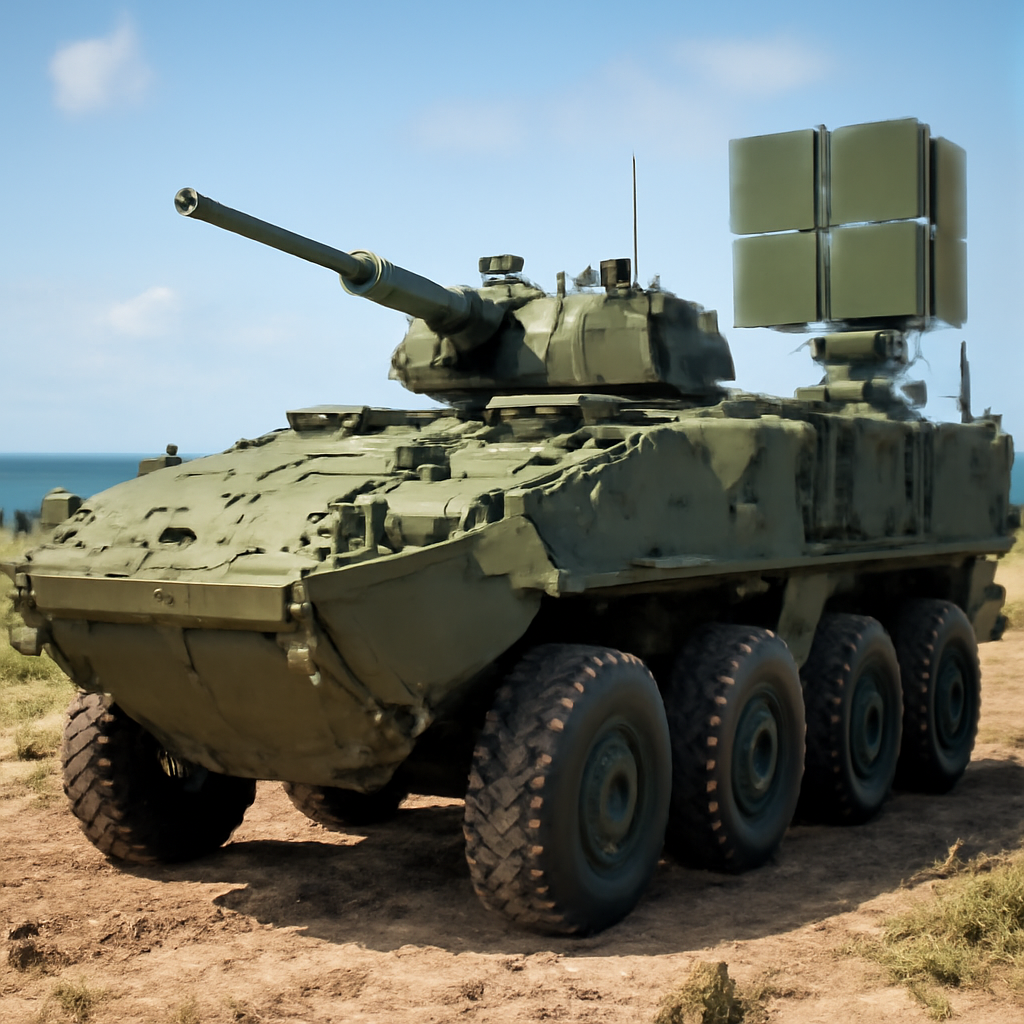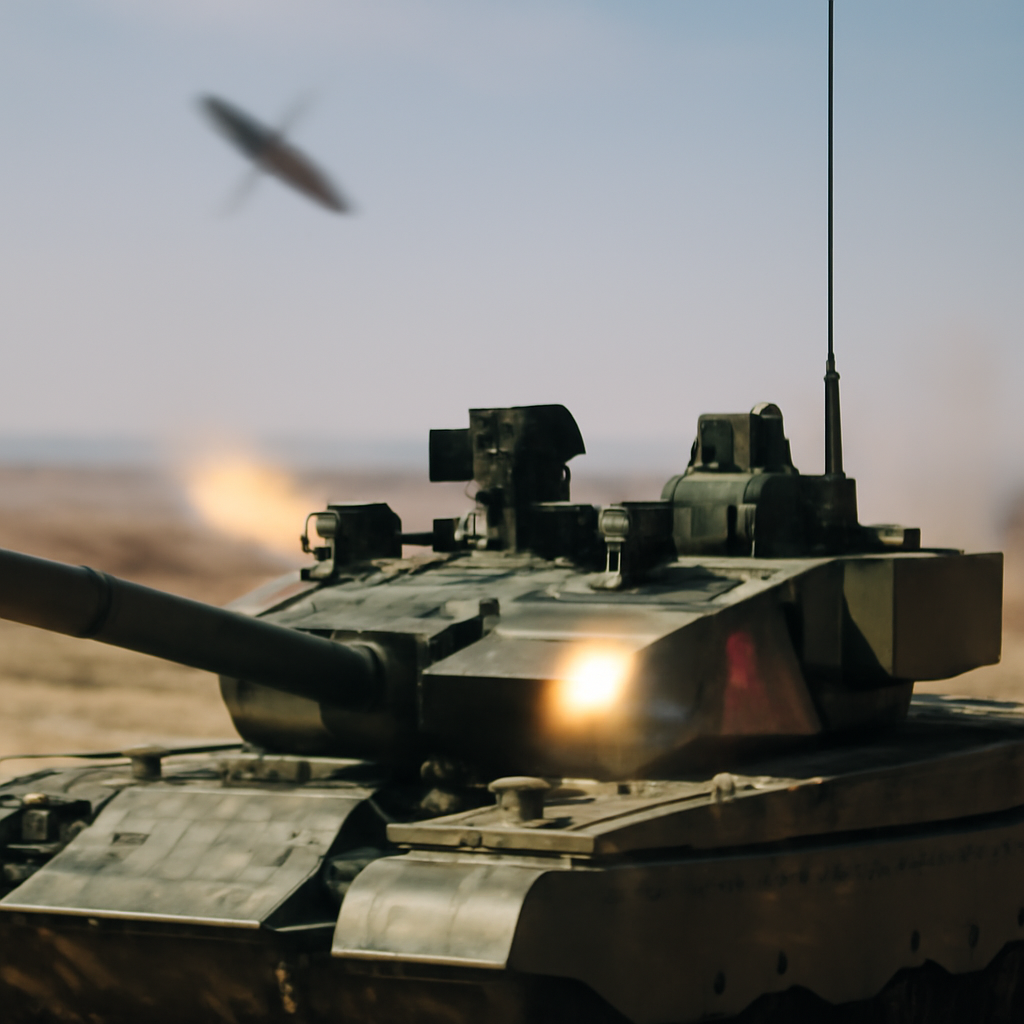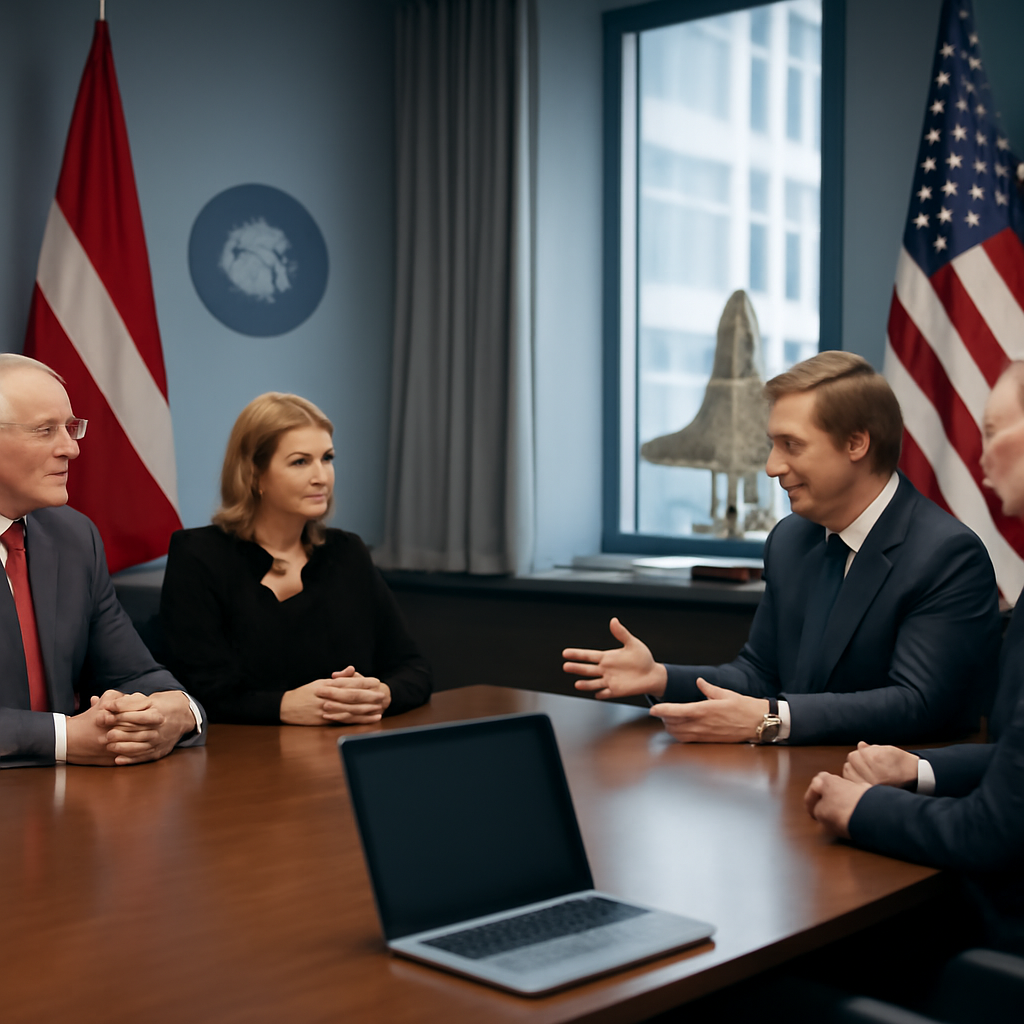
"We will have to dial back our activities and our exercise and operational activity if the level of resource funding that is available to us does not increase," Richard Knighton told the House of Lords committee.
Chief of the Defence Staff: day‑to‑day operations under pressure
Richard Knighton, the chief of the UK defence staff, warned lawmakers in the House of Lords that routine military activity is at risk without fresh budgetary decisions from Prime Minister Keir Starmer and the Treasury. He singled out the Resource Departmental Expenditure Limit (RDEL) account as the locus of his concern, saying he is "most concerned" about day‑to‑day operations budgeting. Knighton told the Lords International Relations and Defence Committee that, absent changes to the settlement "that, as [former Defense Secretary] John Healey set out" then operations, training and exercising "will come under pressure." He added that the matter "is still to be debated and decided."
The contested funding figures: a £13.5 billion offer and an £18 billion shortfall
Knighton’s warning follows the resignation last week of John Healey, who left amid a row over a defence funding plan he considered insufficient and warned it "could make the country less safe." Reports cited in testimony indicate Prime Minister Keir Starmer and the Treasury may offer new UK Defence Secretary Dan Jarvis funding above £13.5 billion — a figure reportedly proposed to Healey as part of a bid to close an alleged £18 billion gap for major acquisitions. That £13.5 billion sum is reported to be partly funded by a plan to cut other departments’ capital budgets by 1 percent.

This site is the portfolio.
OSINTSights runs on Cloudflare Workers, D1, R2, and Vectorize, with an AI pipeline on Hetzner ARM. Nubivance designed, built, and operates it. We do the same for clients.
See what we buildDefence Investment Plan and NATO spending trajectory
The proposed new funding is to be set out in the forthcoming Defence Investment Plan (DIP), billed as the document that will outline major equipment investments and cuts over the next decade. After months of delay, the DIP is expected to be published before the NATO Summit in Ankara next month. Knighton told peers "what we need is a clear path" to meet NATO’s core defence spending target of 3.5 percent of GDP, adding that "we will need to settle what that trajectory is, because it’s that which gives us the ability to plan, and industry the ability to know what to expect." The UK previously committed at the NATO Summit in the Hague last year to hit the 3.5 percent target by 2035; Starmer is proposing 2.68 percent of GDP by 2030, up from 2.3 percent spent in 2025.
Operational implications and examples of UK leadership
Knighton acknowledged that near‑term cuts are already planned. He referenced the 2025 Strategic Defence Review, saying it envisioned some capabilities being removed from service where they "could be modernized, they could be delivered in more effective ways" in response to lessons from wars in Ukraine, Nagorno‑Karabakh and the Middle East. He rejected suggestions that the delay in the DIP has diminished the UK's standing with allies, saying since taking up the post last year "One of the things that has struck me is just how valued the UK’s leadership is in NATO."
Knighton pointed to two joint British‑French missions as examples where the UK is expected to lead: the coalition of the willing in Ukraine and a maritime multinational mission in the Strait of Hormuz, which he said would proceed "once peace is restored in Kyiv and the troubled waterway." He cautioned, however, that "we may soon have to put our money where our mouth is" if those planned international operations are to be adequately supported — a line echoed by Paul Taylor, senior visiting fellow at the European Policy Centre, who told Breaking Defense there is "an enduring mismatch between the UK wanting to exert leadership in NATO on defense and its available resources."
What this means for Prime Minister Keir Starmer, NATO, and UK forces
- Prime Minister Keir Starmer, the Treasury, and Defence Secretary Dan Jarvis: They will decide whether to endorse additional resource funding beyond the reported £13.5 billion figure and the treatment of other departments' capital budgets. The timing and content of the Defence Investment Plan ahead of the Ankara NATO Summit will be the vehicle for that decision.
- NATO and allied partners: Knighton signalled confidence that UK leadership is valued, but he also tied that leadership to a settled spending trajectory — namely the pledge to reach 3.5 percent of GDP by 2035 and the nearer‑term proposals set out by the government. Allies watching the DIP’s publication will see whether the UK’s financial commitments align with operational ambitions.
- UK armed forces and training planners: With RDEL pressure already noted, units responsible for day‑to‑day operations, exercises and training face potential reductions in activity unless resource funding increases. Knighton said some capabilities were already planned for removal under the 2025 Strategic Defence Review to make room for modernization and different delivery methods.
The immediate question left on the table is procedural and political: will the government approve resource increases and set a clear spending trajectory in the DIP before leaders meet in Ankara? Knighton made clear the choice is consequential — and, for the moment, unresolved.