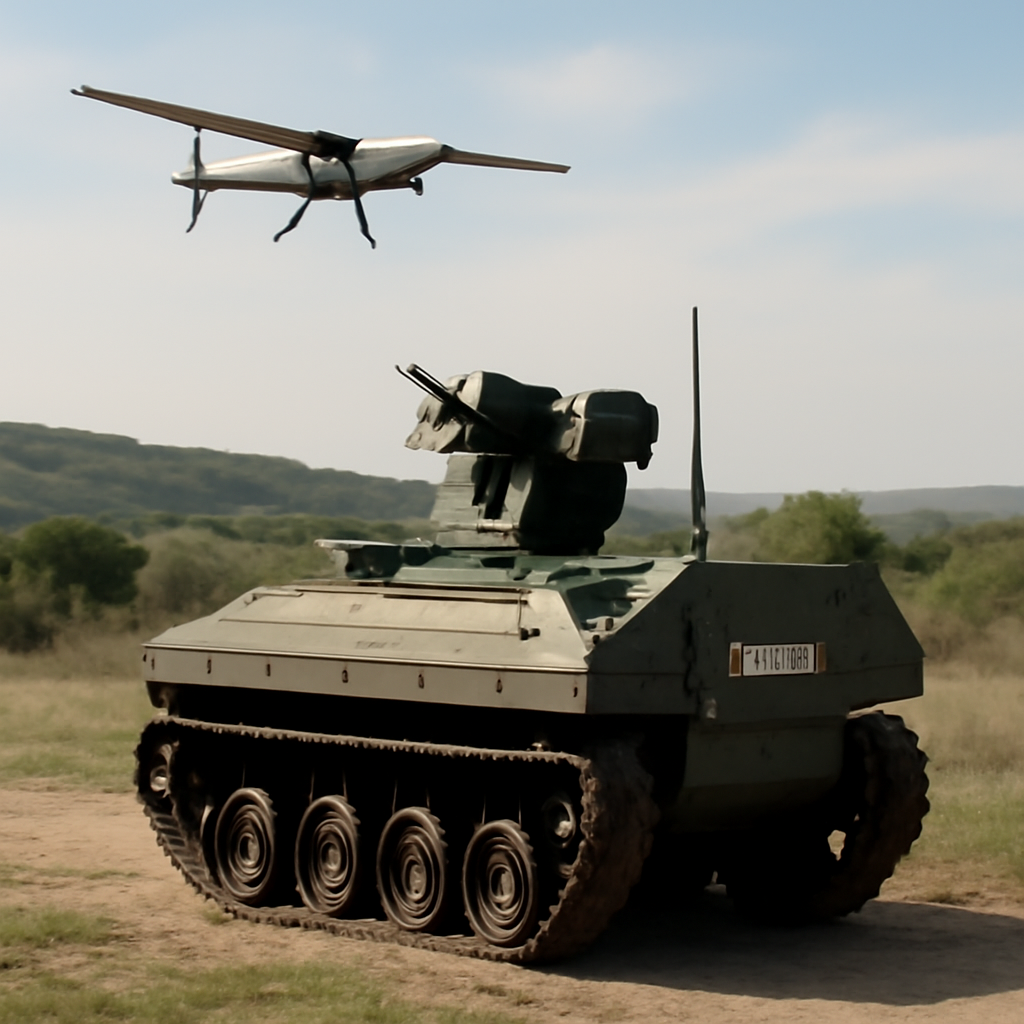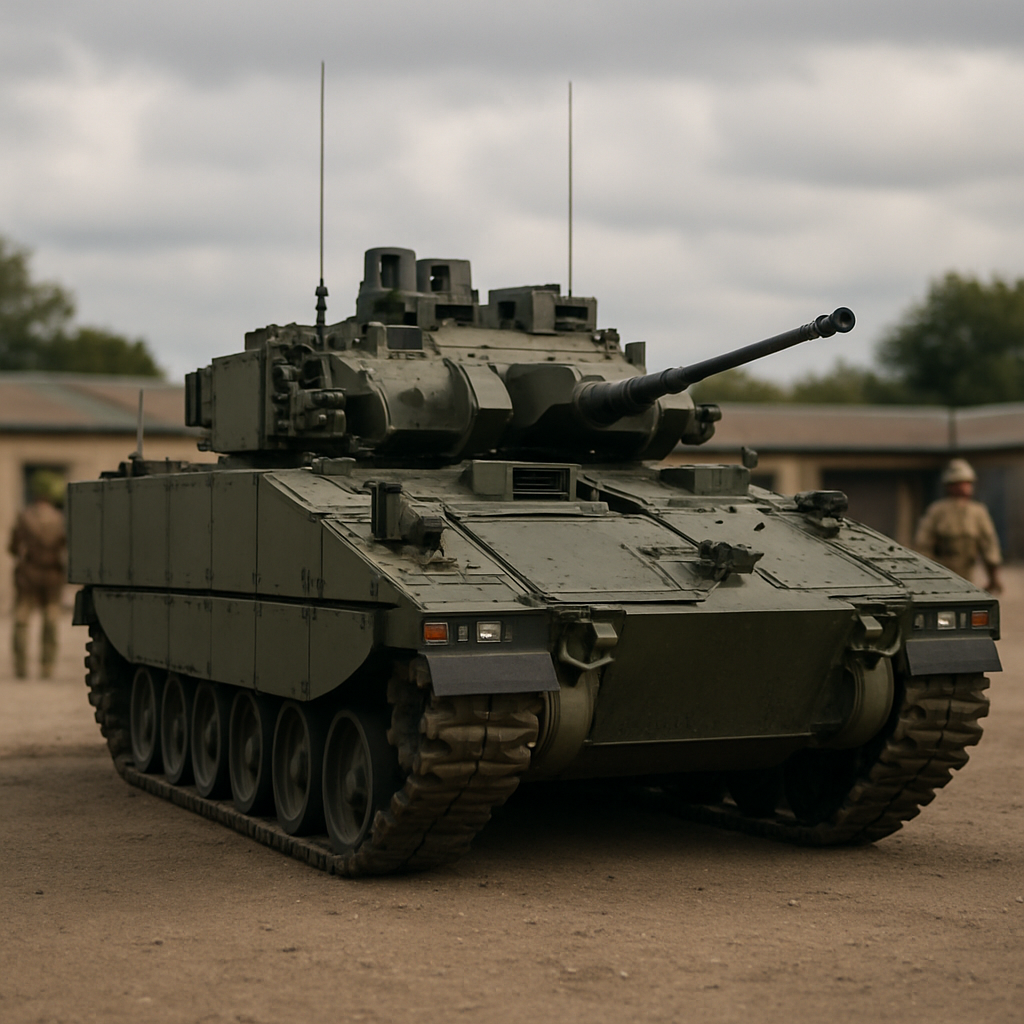
"The safety of our people is non‑negotiable," Luke Pollard told Parliament — even as the Ministry of Defence accepts back into service a fleet of Ajax armoured reconnaissance vehicles that investigators could not pin down to a single cause for the symptoms reported by crews.
Luke Pollard's statement to Parliament
In a written statement to Parliament, the Minister for Defence Readiness and Industry Luke Pollard set out the conclusions of the Army Safety Investigation Team (ASIT) and the MoD's immediate decisions. Pollard said the majority of soldiers who reported feeling ill during last year's Exercise Titan Storm suffered only temporary symptoms and that all personnel have now returned to normal duties. He confirmed the Independent Expert Panel Review remains ongoing, with a final report due soon, and that a further independent review has been commissioned to examine the quality of advice Ministers, senior officials and military leadership in the MoD received about Ajax.
Army Safety Investigation Team findings
The ASIT found no single causal mechanism for the reports of sickness among Ajax crews. Instead, it attributed the incidents to a combination of items the team described as multiple factors: incorrect track tension, loose or missing engine deck bolts, and "environmental and human factors, including variability in training and experience, cold exposure, and air quality within the Ajax vehicle itself." The investigation also reported that noise and vibration levels were below legal limits.
Pollard's summary of the findings has the practical effect of clearing the vehicles to be accepted back from the manufacturer while placing responsibility on a matrix of maintenance, operating practice, environmental exposure and training variation.

The cyber insurance questionnaire just landed. Now what?
SOC 2, HIPAA, insurance renewals - someone has to own security strategy. Nubivance provides fractional CISO leadership without the full-time salary.
Get a security lead2021 Noise and Vibration Review and the programme's history
These problems are not new. Personnel reported adverse symptoms during trials as far back as 2020. A 2021 Noise and Vibration Review identified both electrical and mechanical origins tied to the track, suspension and running gear, and to the engine and its mounting into the vehicle. That review concluded General Dynamics "has designed and built what MoD maintains is thus far a vehicle which is not fit for purpose and does not meet the contracted specification." Despite work said to have addressed those complications in the intervening years, similar symptoms reappeared after the Army declared initial operating capability (IOC) last year.
Exercise Titan Storm, current fleet status, and procurement constraints
The Ajax fleet was effectively grounded in February after repeated instances of crews reporting ill during training. The MoD took the unusual step of withdrawing IOC status pending closer inspection. Of the vehicles involved in Exercise Titan Storm last year, Pollard said the 23 that were present "will be treated separately and will not be put back in the hands of soldiers until we have confirmed that it is appropriate to do so." At the same time, the wider fleet is being accepted back into service under strict controls imposed by the MoD.
Financial and political constraints also shape the outcome. The article reports that the programme's £6.3 billion budget has been spent and that there is no money to scrap the Ajax project and start again. Defence Secretary John Healey earlier this year reportedly hinted that cancellation had been considered, but the fiscal reality described in Pollard's statement leaves the Army to adapt to the vehicle's shortcomings and for crews to continue operating them under tightened procedures.
How soldiers, the MoD, and General Dynamics are positioned
- Soldiers: The ASIT and senior army leadership — including Lieutenant General Anna‑Lee Reilly in testimony to the Parliamentary Public Accounts Committee — attributed some of the issues to how the vehicles were operated and maintained. Reilly acknowledged that troops were not deliberately negligent, saying crews could be merely tired after long stints on the platforms. The MoD has returned personnel to normal duties but will keep stricter controls on vehicle use.
- Ministry of Defence and military leadership: The MoD has accepted the ASIT conclusion and selected layered responses: tighter controls on reintroduction, separate treatment of the 23 Exercise Titan Storm vehicles, an ongoing Independent Expert Panel Review with a final report due soon, and an additional independent review into the quality of advice given to Ministers and senior officials.
- General Dynamics and procurement: The 2021 review singled out design and build issues tied to General Dynamics, saying the vehicle did not meet the contracted specification. With the programme budget exhausted, the practical response is remediation, operational adaptation and tighter maintenance and training scrutiny rather than programme cancellation.
The record laid out in Parliament is straightforward in its immediate implications: investigators did not find a single technical fault to blame; the MoD will press the Ajax back into service under tighter controls; and separate reviews remain underway to probe both root causes and the quality of advice given to decision‑makers. With a £6.3 billion bill already incurred and 23 vehicles quarantined pending further checks, the Army faces the task Pollard described — keeping personnel safe while operating a platform that has yet to satisfy all who tested it.
Source: The Register — Britain's £6B armoured sickener Ajax cleared for duty despite injuring troops