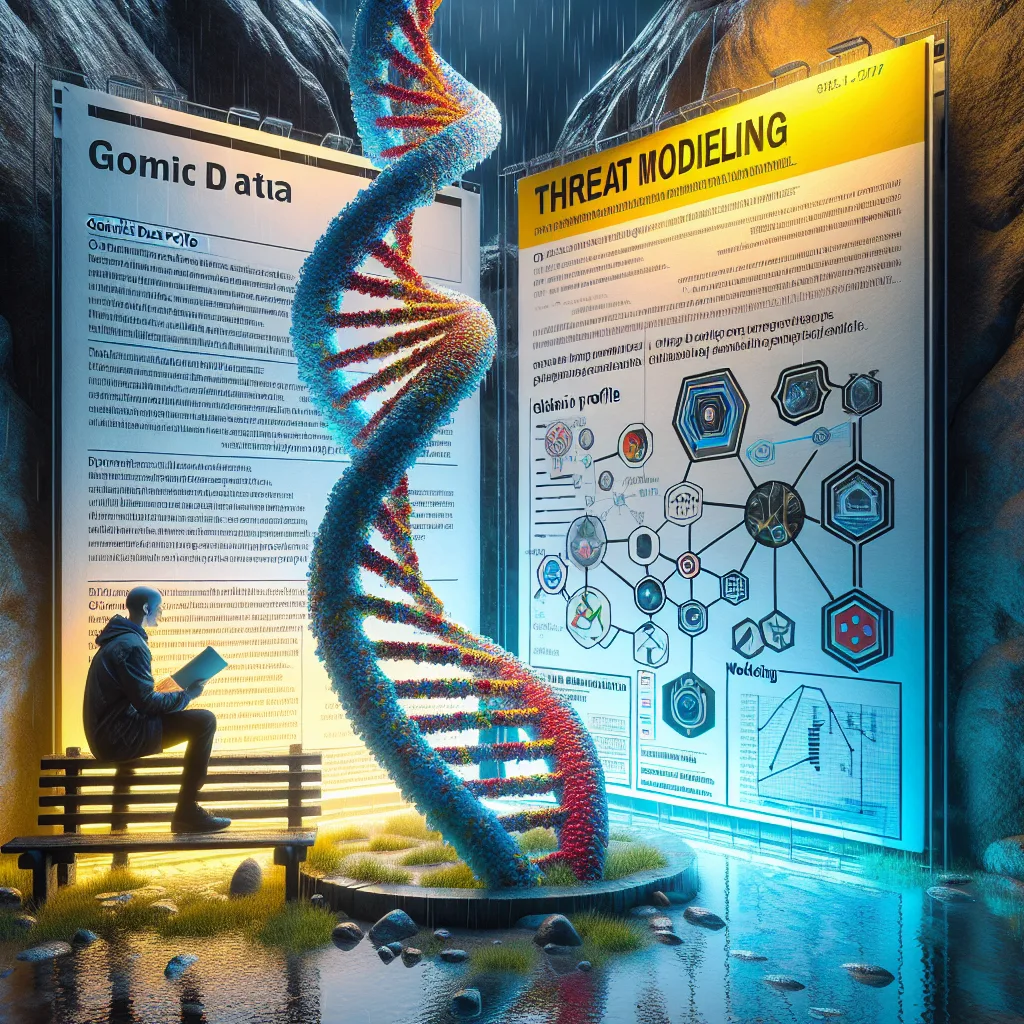
New Public Comment Period Opens on NIST’s Genomic and Cybersecurity White Papers
In a significant development that underscores the evolving role of artificial intelligence in cybersecurity, the National Institute of Standards and Technology (NIST) has released two publications for public comment: the Genomic Data Profile and the Threat Modeling Workflow White Paper. These documents arrive at a time when organizations across sectors are grappling with both broad opportunities and unprecedented risks connected to AI technology.
At a joint press briefing, NIST officials detailed that these publications are designed not only to share cutting-edge research but also to invite diverse stakeholder feedback. The Genomic Data Profile outlines strategies for safely managing and leveraging sensitive genomic data in the increasingly digital healthcare landscape, while the Threat Modeling Workflow White Paper offers a rigorous framework to assess cybersecurity vulnerabilities exacerbated by advancements in AI.
This dual release comes against the backdrop of rapid innovation, where technological leaps in machine learning and data analysis promise to transform everything from personalized medicine to global financial markets. Yet, for every opportunity, experts caution that there is an accompanying need for robust security measures. As the digital terrain becomes more complex, NIST’s endeavors underscore the necessity of harmonizing technological progress with proactive risk management.
NIST’s publications build on an extensive history of research and regulatory framework development. Over the past decade, the institute has been instrumental in setting standards that secure critical infrastructure, democratize best practices, and empower organizations to confront emerging threats. The Genomic Data Profile is a culmination of collaborative work among genetic researchers, cybersecurity specialists, and policy experts, while the Threat Modeling Workflow White Paper integrates lessons learned from high-profile cyberattacks and industry-wide best practices.
Recent advancements in AI have not only improved analytical capabilities but have also introduced nuanced risks. With cyber adversaries employing increasingly sophisticated techniques, the risk landscape has evolved dramatically. According to a report by the Cybersecurity and Infrastructure Security Agency (CISA), the convergence of AI and big data has amplified vulnerabilities in systems that once operated under more predictable parameters. The NIST white papers respond to these challenges by offering frameworks that can be adapted across sectors—from healthcare to national security—ensuring that proactive measures are as dynamic as the threats they aim to counter.
For many organizations, the implications extend beyond compliance and data protection. The Genomic Data Profile addresses privacy concerns at a human level. As personalized medicine gains traction, ensuring the security of genomic data is not merely a technical necessity but a moral imperative. Ensuring that patients’ sensitive data is managed responsibly can foster greater public trust and lead to more resilient innovation ecosystems. In parallel, the Threat Modeling Workflow White Paper provides a strategic blueprint for identifying and mitigating potential cyber threats, encouraging organizations to integrate security measures into the earliest stages of system design.
Expert analysis suggests that the intersection of AI and cybersecurity is one of the most vital battlegrounds for the coming decade. Dr. Michael Daniel, former coordinator for cybersecurity at the National Security Agency (NSA), has previously emphasized that “robust threat modeling and data management frameworks are essential to navigate the increasingly blurred lines between opportunity and risk in the digital realm.” While these publications are not prescriptive regulations, they represent a significant step toward establishing consensus on best practices. By inviting public commentary, NIST is signaling an intent to refine its frameworks in collaboration with the experts and stakeholders who understand the challenges firsthand.
In a broader context, these developments highlight a pivotal moment for public and private sector cooperation. As governments, tech companies, healthcare institutions, and academic partners engage in a dialogue about the safe adoption of AI technologies, the debate is shifting from theoretical risk to practical implementation. This process is compounded by the pressing need for real-world solutions that can be quickly adapted to new threat vectors. By opening a window for public comment, NIST encourages a collaborative process, where theory meets practice, and where the human side of technological advancement remains at the forefront.
The white papers also provide a framework for future policymaking. Policy analysts point to the organizations’ role as a mediator between innovation and regulation. Notable cybersecurity strategist Anne Neuberger of the Cybersecurity and Infrastructure Security Agency (CISA) remarked that “a well-informed public debate on these topics is essential to ensure that emerging frameworks have the resilience and flexibility needed to protect both our data and our democratic institutions.” Such endorsements from credible figures underscore the trust placed in NIST’s methodologies, even as the field evolves at breakneck speed.
Looking ahead, industry observers anticipate a dynamic period of policy development, as stakeholders digest the insights offered in these white papers and contribute their perspectives. In particular, organizations that deal with sensitive genetic information will likely examine the Genomic Data Profile for guidance on balancing innovation with privacy. Meanwhile, the Threat Modeling Workflow White Paper is poised to influence cybersecurity standards across industries, offering a systematic approach to identifying vulnerabilities introduced by an ever-changing threat landscape.
Among the key points the public comment period aims to address are:
- Framework Adaptability: Evaluating how existing cybersecurity and risk management frameworks can be retooled to incorporate the nuances introduced by AI.
- Data Privacy Measures: Ensuring genomic data, which holds personal and sensitive information, is protected against unauthorized use or breaches.
- Stakeholder Engagement: The importance of creating open channels for dialogue among technologists, policymakers, security experts, and the wider public.
- Global Implications: Recognizing that these frameworks could serve as a model internationally for harmonizing technological progress with security protocols.
As these discussions unfold, it is clear that the challenges presented by advanced AI are not merely technical in nature; they also carry significant social, economic, and ethical implications. While technological progress promises greater efficiency and innovation, the human element remains a critical variable in the equation. Safeguarding individuals against the risks of data misuse and cyber exploitation is vital for maintaining the integrity of both public trust and institutional accountability.
The offering of these detailed white papers for public scrutiny reflects a broader trend towards transparency in governmental and technical decision-making. With every iteration, frameworks informed by real-world data and expert collaboration become more robust, bridging academic theory with actionable policy. As stakeholders provide feedback and debate the finer points of these documents, the potential for creating a secure and resilient digital infrastructure grows ever more tangible.
Ultimately, the release of the Genomic Data Profile and the Threat Modeling Workflow White Paper is more than an academic exercise; it is a call to action. As the digital revolution intensifies, the balance between opportunity and risk must be carefully maintained. The ability to innovate while ensuring the security of both data and individuals remains one of the 21st century’s most pressing challenges.
As public comments flow in and new insights are integrated, the question remains: Will this integrated approach to data security and threat modeling serve as the blueprint for the next generation of cybersecurity strategies, or will it compel further refinement in the face of unforeseen challenges? For now, the dialogue continues, serving as a reflection of our collective effort to harness technology in service of a safer, more secure society.



