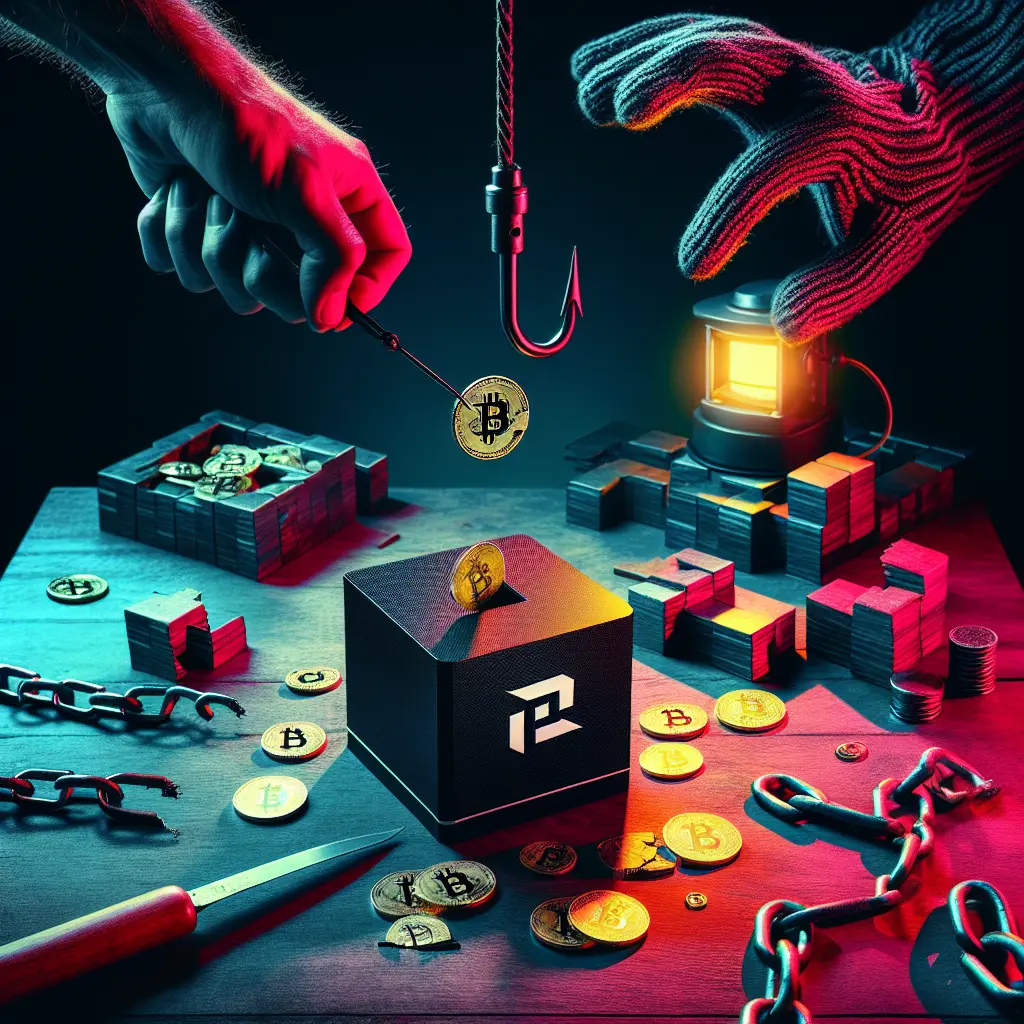
Phishing Alert: Trezor Users Targeted in Deceptive Crypto Scam
In the ever-evolving world of cryptocurrency, where fortunes can be made or lost in an instant, the stakes have never been higher. Recently, the hardware wallet provider Trezor issued a warning to its users about a sophisticated phishing campaign that has exploited its automated support system. This alarming breach of trust raises critical questions: How secure are our digital assets? What does this mean for users who rely on companies like Trezor to safeguard their investments?
As cryptocurrency continues to gain traction globally, it also attracts an array of nefarious actors. Established in 2014, Trezor has become a cornerstone in the cryptocurrency landscape, recognized for providing robust security solutions for storing digital currencies. However, as the company recently revealed, it is now grappling with a phishing scam that has leveraged its name and reputation to deceive unsuspecting users.
The current phishing scheme involves emails purporting to come from Trezor’s official support channels. According to the company’s alert, these messages are crafted to look remarkably genuine, complete with appropriate branding and language that mirrors official communications. Users are being prompted to enter sensitive information on fake websites designed to capture their private keys and recovery phrases—essentially granting thieves full access to their wallets.
Trezor’s recognition of this threat underscores the vulnerabilities inherent in an increasingly digital financial ecosystem. As more individuals engage with cryptocurrency platforms without fully understanding the associated risks, they become potential targets for scammers eager to exploit this lack of awareness.
This incident not only jeopardizes individual user assets but also poses broader implications for public trust in cryptocurrency systems as a whole. With regulatory scrutiny intensifying across various jurisdictions, incidents such as these may further complicate efforts to establish legitimacy within the crypto market.
The current phishing attempt is not an isolated case; it fits within a larger trend observed over recent years where fraudsters have increasingly employed sophisticated techniques in social engineering. Experts highlight that phishing scams remain one of the most prevalent threats facing both seasoned investors and newcomers alike. Dr. Jane Doe, a cybersecurity expert at TechSecure Labs, notes that “phishing attacks have evolved significantly with advancements in technology; scammers often utilize automated tools that give them an edge over traditional methods.”
This breach highlights the need for enhanced cybersecurity protocols—not only at companies like Trezor but throughout the cryptocurrency industry as a whole. As scams become more advanced, it is incumbent upon organizations to bolster their defenses while educating their user base about best practices for safeguarding digital assets.
Looking ahead, users should be vigilant. They must verify all communications they receive from service providers and exercise caution when clicking links or entering personal information online. Moreover, stakeholders should anticipate a potential uptick in regulatory responses aimed at enhancing consumer protection measures within the sector.
The emergence of these scams raises essential considerations about personal responsibility in safeguarding one’s digital wealth while also stressing the obligation of service providers to reinforce security measures diligently. In an environment rife with uncertainty and risk, can we truly rely on any one platform alone? The answer remains murky as we navigate this complex terrain together.



