"Waiting for lab confirmation would leave CryptoBilis buyers exposed in the meantime," Trezor said.
The reported Safe 5 implant
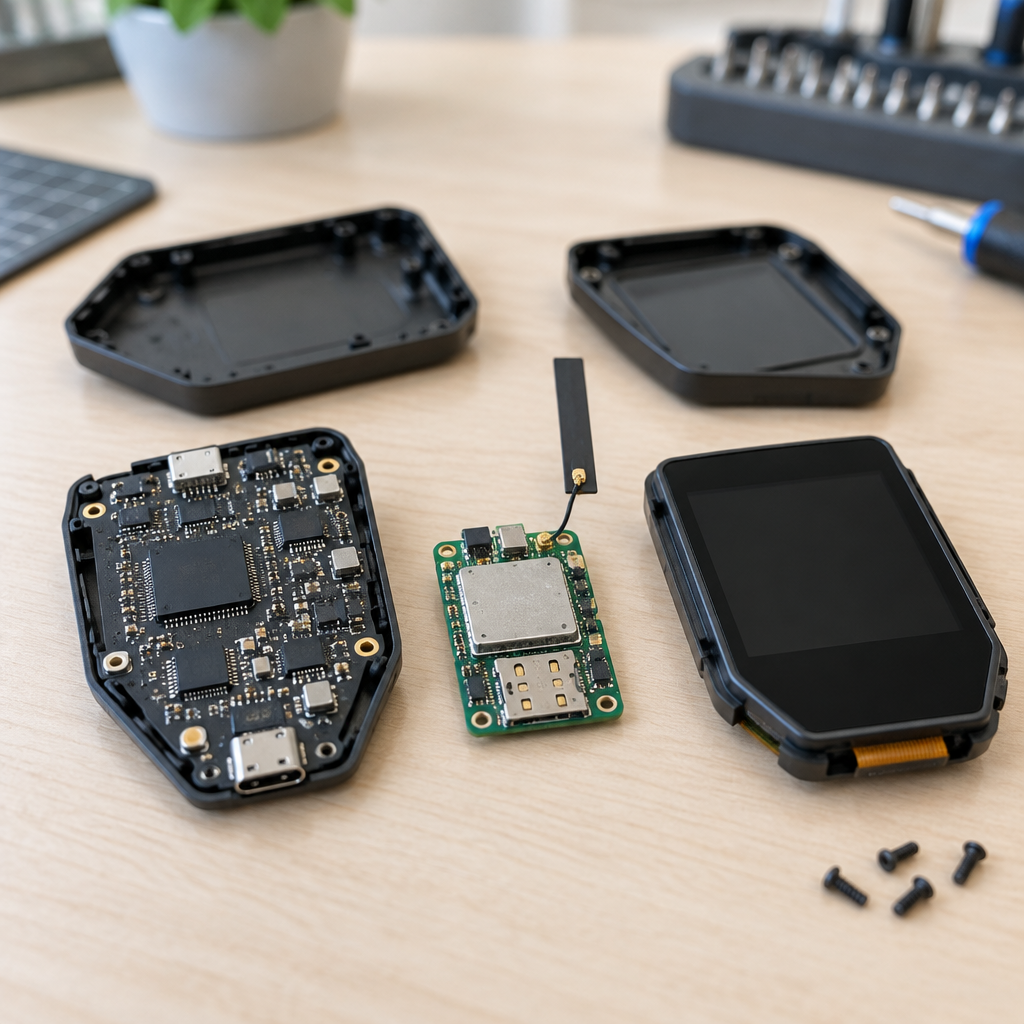
A customer in Indonesia reported on Oct. 28 that a Trezor Safe 5 hardware wallet he bought from the reseller CryptoBilis in August contained an extra circuit board, Trezor said in a blog post on Oct. 30. According to the customer's photos and description, the board sits between the wallet's main board and its screen and includes a cellular module and an antenna.
The report says the board reads the screen — including the wallet backup, which Trezor calls the recovery phrase — and sends that information over a mobile network whenever the device is plugged in. Trezor has interviewed the customer on a video call, has his photos and description, and is arranging for the physical device to be sent to its lab for examination.
Trezor reminded buyers that the company cannot see what customers hold in their wallets and that, as of Oct. 30, no CryptoBilis buyer had reported losing funds to a Trezor device. The customer who reported the implant had moved his funds off the wallet before he found the board.
Trezor's guidance to buyers who purchased from CryptoBilis since March 2026
- If you already use the wallet, move your funds to a new wallet with a new recovery phrase as soon as possible. Restoring the old recovery phrase on another device does not help, because a tampered wallet could already have sent that phrase out.
- If you have no other secure hardware wallet, move the funds for now to a software wallet or an exchange you know.
- If you have not set up the wallet, do not set it up, and never type your existing recovery phrase into it.
- Keep the CryptoBilis device and contact Trezor Support. Trezor will ship you a new device or give you a voucher that covers the cost of one.
- If you are not sure where your device came from, check the seller's name on your receipt or contact Trezor Support.

The cyber insurance questionnaire just landed. Now what?
SOC 2, HIPAA, insurance renewals - someone has to own security strategy. Nubivance provides fractional CISO leadership without the full-time salary.
Get a security leadCryptoBilis, Ledger investigations, and the Singapore Police advisory
Trezor said it dropped CryptoBilis, its authorized reseller in Southeast Asia, on Oct. 9 after hardware wallet maker Ledger began investigating losses among Ledger customers who had bought from CryptoBilis. Ledger has said that one affected customer's wallet contained an unauthorized hardware implant built to capture the recovery phrase during setup.
Trezor told readers that the board reported in its Safe 5 appears to work like the implants seen in Ledger devices, but the company said it will not compare the two while investigations continue and that it does not know who is responsible.
Separately, the Singapore Police Force published an advisory on Oct. 28 saying that Ledger hardware wallets bought from some retail stores in Singapore contained malicious hardware components. The police advisory said at least two cases have been reported since Sept. 10, that the components could capture users' recovery phrases or private keys, and that police investigations are ongoing. Ledger is reviewing the affected cases, the advisory said.
Practical constraints for owners and the risk of follow-on scams
Trezor warned owners that they cannot reliably check a device themselves and should not weigh or open it to try to discover tampering. The customer who reported the implant noticed a weight difference, but Trezor said small differences can have other causes. The company also expects scammers to exploit the incident with phishing through fake emails, letters, and phone calls.
For affected customers, Trezor's operational offer is concrete: keep the device, contact Trezor Support, and the company will either ship a replacement device or issue a voucher to cover the cost.
What this means for end users, resellers, and investigators
- End users: Follow Trezor's guidance immediately — move funds to a new wallet with a new recovery phrase, or to a trusted software wallet or exchange if you lack another secure hardware device. Do not set up suspect devices or enter an existing recovery phrase into them.
- Resellers: CryptoBilis has been dropped by Trezor; any seller that received devices from CryptoBilis should expect scrutiny and customer questions. Buyers who are unsure of provenance should check receipts or contact Trezor Support.
- Investigators and manufacturers: Trezor has moved the physical device to its lab and declined public comparisons while investigations continue. The parallel findings reported by Ledger and the Singapore Police Force mean multiple examinations and law-enforcement inquiries are underway.
The facts in the public record are straightforward but unresolved: a customer-reported implant with a cellular transmitter is now en route to Trezor's lab, Trezor has issued immediate consumer guidance for devices supplied by CryptoBilis since March 2026, and related investigations — including Ledger's internal review and a Singapore Police advisory — remain active. Who placed the hardware, how widespread any tampering may be, and the final technical assessments will depend on the lab work and the ongoing inquiries.