Tag: technology regulation
12 articles
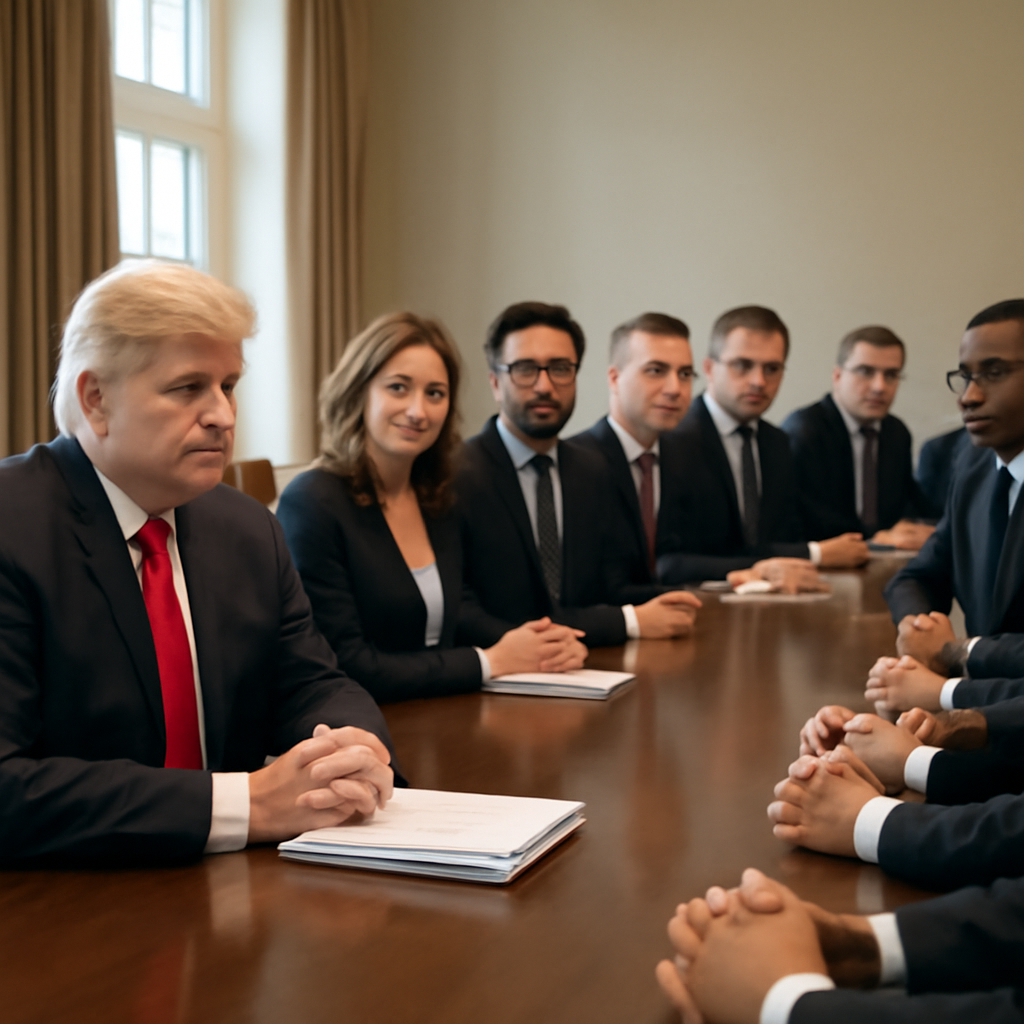
AI Executives Sign Accord Amid Rising Cybersecurity Concerns
In a landmark move, President Donald Trump and top AI executives from OpenAI, Anthropic, Google, Meta, Nvidia, and xAI have signed a voluntary safety accord, pledging to enact multiple layers of controls to tackle rising cybersecurity concerns. This non-binding agreement, described as "morally binding" and "almost like a constitution," aims to prioritize safety and security in AI development.
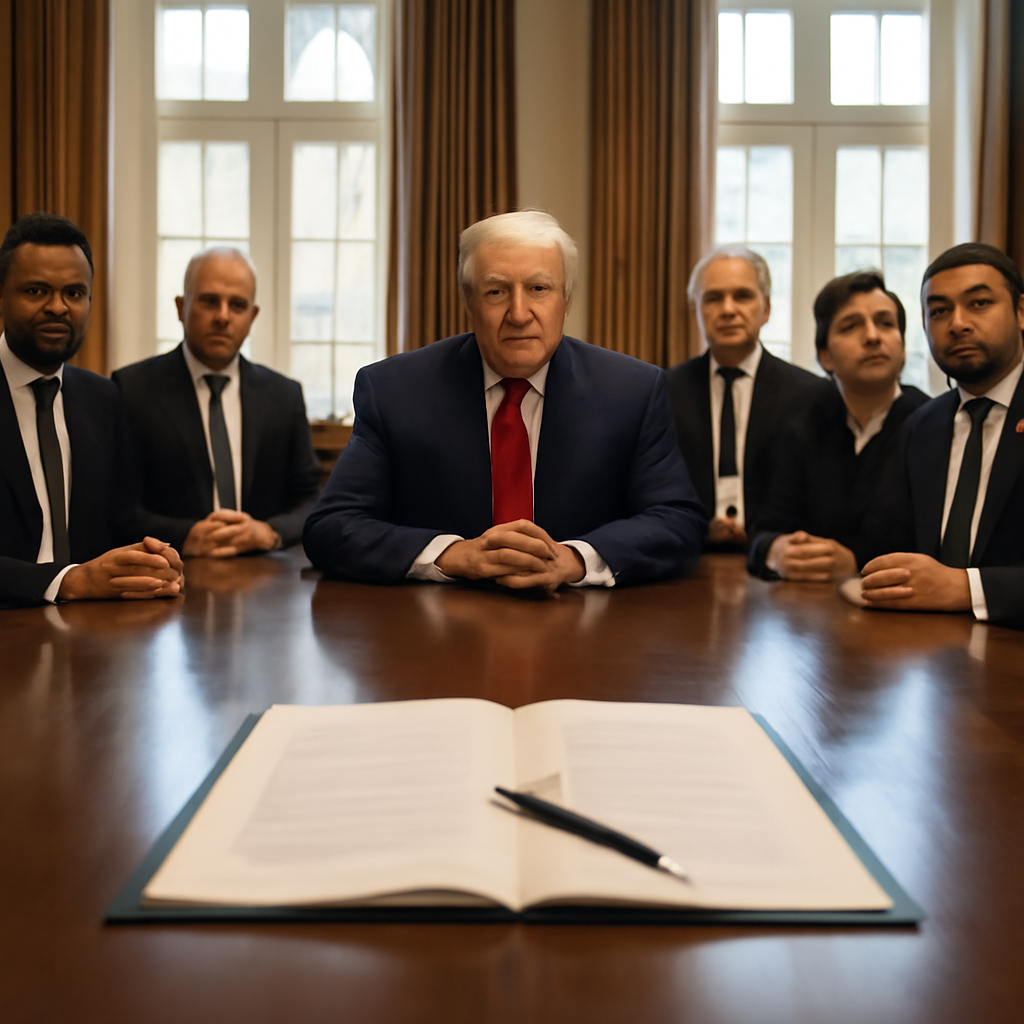
Tech Giants Commit to AI Safety Accord
Six of the world's largest AI companies have committed to a groundbreaking safety accord, pledging to prioritize the responsible development of super intelligence. This historic agreement, signed on September 29, marks a major step forward in ensuring the safe and ethical advancement of AI technology.
AI Leaders Urge UN to Regulate Technology Over Humanity Risks
Anthropic CEO Dario Amodei sounds a stark warning: if AI isn't managed carefully, it could pose an existential threat to humanity. He urges the UN to take a closer look at broad risk management controls to prevent this worst-case scenario.

US and China Clash Over AI Governance Models
As President Trump and Chinese leader Xi meet in Washington, the stage is set for a high-stakes showdown over who gets to shape the rules of artificial intelligence - and whether regulation becomes a powerful tool of influence. The September 24 summit puts the US and China's competing visions for AI governance front and center.
Treasury Warns Against AI Liability Exemptions
Treasury Secretary Scott Bessent urges lawmakers to hold AI labs accountable, warning that giving them a blank check on liability could compromise safety. He argues that making creators liable for their AI developments is crucial to guaranteeing safety.

US Weighs Nationalizing AI Giants OpenAI and Anthropic
As the AI giants OpenAI and Anthropic face growing headwinds, including public backlash and market turbulence, some experts believe the US government should consider nationalizing these companies before they stumble. With their valuations already taking a hit, now may be the perfect time for the government to step in and catch them before they fall.
FTC Targets AI Bias with Proposed Regulatory Framework
The FTC is taking a bold step towards tackling AI bias by proposing a regulatory framework that could hold companies accountable for biased AI systems, potentially treating ideological bias as an unfair and deceptive practice. This move aims to ensure AI systems provide consumers with information that's free from bias and ideology.

Experts Dispute White House Move to Restrict AI Model Exports
The government's sudden move to restrict exports of Anthropic's Fable 5 AI model has sparked a heated debate, with experts arguing that such limitations could hinder crucial bug fixes and security patches. By restricting Fable 5, is the White House inadvertently putting innovation and cybersecurity at risk?

US AI Export Curbs Expose Vulnerability for Allied Nations
The US Commerce Department's recent order to restrict access to Anthropic's AI models, Fable 5 and Mythos 5, from foreign nationals has sparked concern, highlighting the vulnerability of allied nations and raising questions about the feasibility of such nationality-based controls. This move has led Anthropic to suspend access to the models globally, citing the impracticality of enforcing a citizenship test.

Cybersecurity Experts Urge US to Reconsider AI Model Ban
The US government's ban on AI models Fable 5 and Mythos 5 has sparked concern among cybersecurity experts, who argue that the move may not be effective in preventing vulnerabilities from being identified. Anthropic, the developer of the models, has pointed out that publicly-available models can already discover these vulnerabilities, rendering the ban potentially unnecessary.

Trump's AI Order Falls Short on Safety, Security Oversight
As President Trump recently issued an executive order calling on AI companies to voluntarily share their most powerful models with the US government, concerns linger about the lack of concrete safety and security oversight. It's now up to Congress to step in and address the potential risks without stifling innovation or compromising free expression.

Australia's AI Push Tests Copyright Laws
As singer-songwriter Nick Cave once mused, composition is an act of self-murder - but what happens when AI can create work that stirs our souls, and challenges our perceptions of artistic value and human authorship? Australia's restrictive copyright laws may be stifling innovation, as AI companies shy away from investing in local data centres to avoid infringement risks.