Tag: law enforcement
448 articles

Law Enforcement Disrupts First VPN Service Tied to Ransomware Attacks
In a major cybercrime crackdown, law enforcement agencies have dismantled a notorious VPN service used by ransomware attackers, seizing 33 servers and taking its domains offline in a coordinated operation across 27 countries. The takedown of First VPN, a so-called "no-logs" provider, has dealt a significant blow to threat actors behind ransomware and data theft campaigns.

Met Police Surveillance Exposes Data Requests Surge
The Metropolitan Police made a staggering 700,000+ requests to tech companies in 2025 to access private communications data, helping officers solve crimes, find missing people, and gather crucial intelligence. This massive surge in data requests highlights the force's growing reliance on digital information to keep London safe.

Interpol Disrupts Cybercrime Ops Across 13 Countries
In a major win against cybercrime, Interpol's Operation Ramz has resulted in 201 arrests, 53 servers seized, and nearly 4,000 victims identified across 13 countries in the Middle East and North Africa. This groundbreaking four-month sweep marks a significant milestone in the fight against online crime.

INTERPOL Disrupts Cybercrime Networks with 'Operation Ramz' Arrests
In a major crackdown on cybercrime, INTERPOL's Operation Ramz has led to over 200 arrests and identified 382 suspects across 13 countries in the Middle East and North Africa, disrupting phishing, malware, and online fraud networks that cost the region dearly. The operation resulted in the seizure of 53 servers and uncovered nearly 8,000 intelligence packages linked to over 3,800 victims.

INTERPOL Disrupts MENA Cybercrime Networks with 201 Arrests
In a major crackdown on cybercrime, INTERPOL's Operation Ramz has led to 201 arrests and identified 382 more suspects across 13 countries in the Middle East and North Africa. The operation, which ran from October 2025 to February 2026, dealt a significant blow to malicious cyber networks, also seizing 53 servers and helping 3,867 victims.

Ransomware Attacks Surge as Clop Gang Dominates Threat Landscape
Ransomware attacks have skyrocketed, with over 343 million blocked by Kaspersky products in just the first quarter of 2026 alone, highlighting a surge in threats from the notorious Clop gang and other malicious players. This alarming trend underscores a quarter marked by intensified ransomware activity and rapidly evolving cyber threats.

MENA Region Launches Landmark Cybercrime Crackdown
In a groundbreaking move, the MENA region has launched a historic crackdown on cybercrime, resulting in the arrest of 201 individuals in a multi-month operation hailed as a first-of-its-kind success. This major milestone marks a significant victory in the fight against online crime.

Interpol Disrupts Cybercrime Networks in MENA Region with 201 Arrests
In a major win against cybercrime, Interpol's Operation Ramz has led to the arrest of 201 individuals and identification of 382 suspects across the Middle East and North Africa. This cross-border crackdown, involving 13 countries, has brought relief to 3,867 victims and dismantled key cybercrime networks.

Authorities Arrest Suspect Tied to Dream Market Operations
A suspect linked to the notorious Dream Market operations, Owe Martin Andresen, has been taken into custody on cross-border charges of money laundering, facing penalties in both the US and Germany. Authorities reportedly have him in custody, but few details about the case have been released.
Pakistan's Khyber Pakhtunkhwa Police Bear Brunt of Underfunding
On Pakistan's turbulent western frontier, the Khyber Pakhtunkhwa Police are fighting a losing battle against terror, with chronic underfunding exacerbating the threat to their lives. The devastating May 9 attack in Fateh Khel, Bannu, which claimed 15 policemen's lives, is just the latest tragic reminder of this mismatch between threat and reward.

Police Disrupt Relaunched German-Language Cybercrime Forum
In a major breakthrough, international authorities have shut down a notorious German-language cybercrime forum that had attracted over 22,000 users and 100 vendors peddling stolen data, drugs, and forged documents. A 35-year-old German national was arrested in Mallorca and faces charges for allegedly masterminding the illicit platform.
German Police Disrupts Crimenetwork Marketplace, Arrests Admin
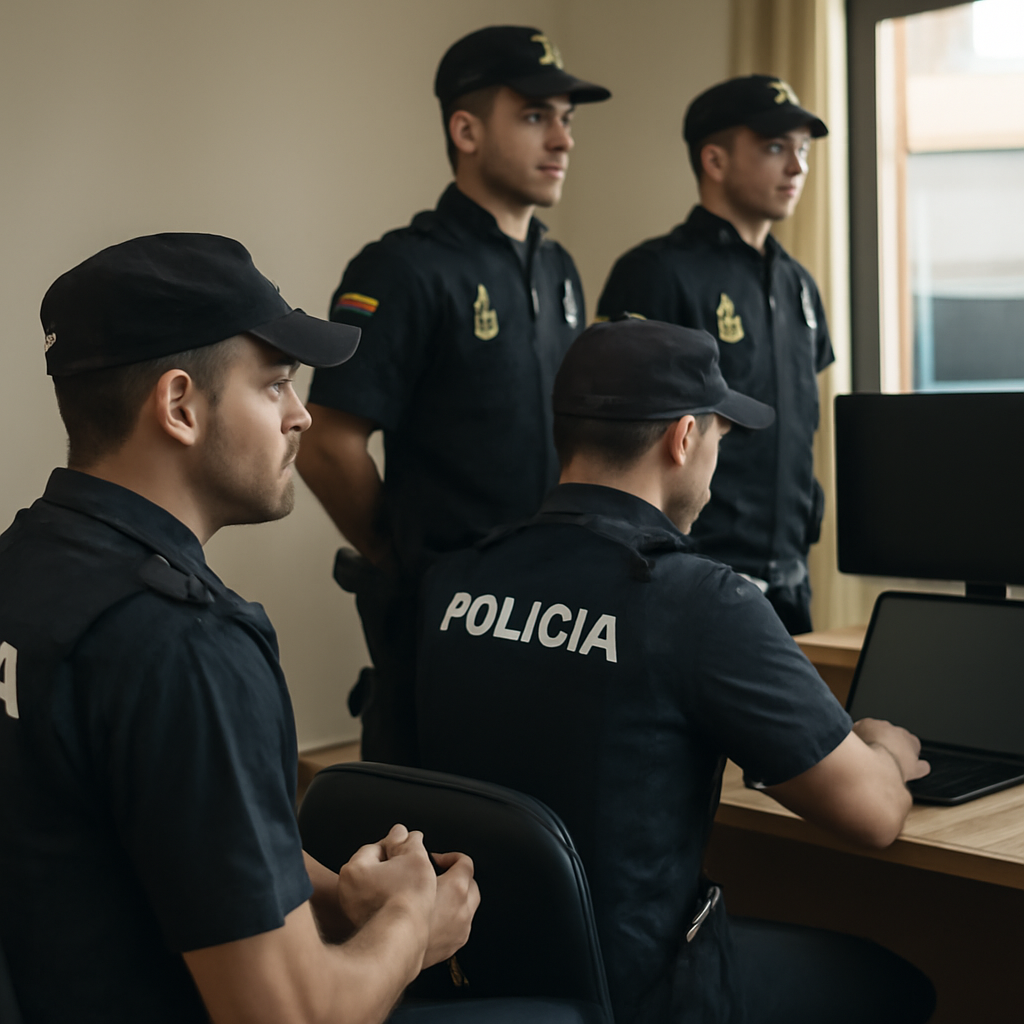
In a major blow to darknet crime, German police have arrested a 35-year-old man suspected of running a rebooted version of the notorious Crimenetwork marketplace, thanks to a slick cross-border operation. The suspect, detained in Mallorca by Spanish police, will face justice in a German court.

US Agencies Deploy Biometric Glasses, Sparking Surveillance Fears
Imagine a pair of smart glasses that can scan faces and instantly match them to records in multiple federal databases, raising serious concerns about surveillance and personal privacy. This technology, powered by facial recognition and other biometric signals, has sparked fears about the potential for real-time identification and the reliability of database records.

Karakurt Ransomware Operative Sentenced for Extortion Role
Meet Deniss Zolotarjovs, a Latvian national who helped his ransomware gang extort dozens of companies - and even a government entity with a crippled 911 system - by leveraging stolen sensitive data, including children's health information. He's now facing 8.5 years in prison for his role in the Karakurt extortion operation.

Global Crackdown Targets Crypto Scam Centers, Arrests 276
In a major global crackdown, authorities have arrested 276 suspects and shut down nine cryptocurrency scam centers, dealing a significant blow to fraudsters targeting Americans from abroad. This coordinated effort, led by Dubai Police and involving the FBI and China's Ministry of Public Security, sends a clear message: scammers can't hide from the law, no matter where they are in the world.

US Cybersecurity Workers Jailed for Aiding BlackCat Ransomware Gang
Meet Ryan Goldberg and Kevin Martin, two cybersecurity experts who abused their skills to line their pockets by aiding the notorious BlackCat ransomware gang. They've been sentenced to four years in prison for their roles in facilitating devastating ransomware attacks.

Global Operation Disrupts Crypto Scam Centers, Arrests 276 Suspects
In a major crackdown on crypto scams, a global operation led by Dubai Police has arrested 276 suspects and shut down nine fraudulent investment centers, dealing a significant blow to scammers who thought they were safe from law enforcement. This coordinated effort with US, Chinese, and Thai authorities has brought global justice to victims of these crimes.

Europol Disrupts Albanian Investment Fraud Ring
In a major crackdown on investment scams, Europol and international authorities have dismantled a sophisticated Albanian investment fraud ring, arresting 10 suspects and seizing nearly €900,000 and 443 computers. The alleged scammers are accused of swindling victims out of at least €50m through their professionalized operation.

FBI Disrupts Global Crypto Scam Network
In a massive global crackdown, US and international authorities have dismantled a notorious network of cryptocurrency scam centers, arresting at least 276 individuals across the Middle East and Southeast Asia. This historic operation marks one of the largest US-assisted enforcement efforts against transnational cybercrime networks to date.
Ukrainian Police Disrupt Roblox Account Hacking Ring
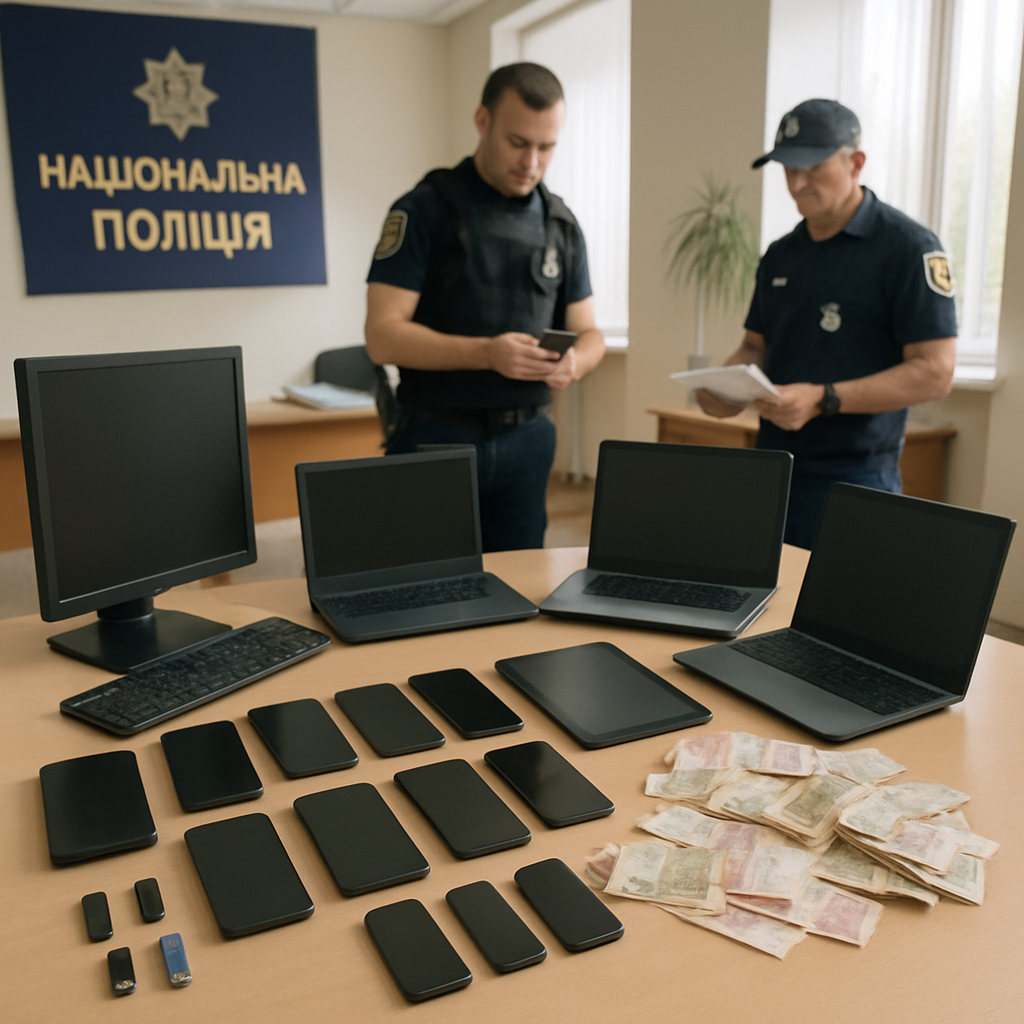
Ukrainian police have cracked down on a massive Roblox account hacking ring, arresting three suspects who hijacked over 610,000 accounts and resold them for a staggering $225,000 profit. The bust in Lviv also yielded a haul of $35,000 in cash and dozens of digital devices.

Police Disrupt €50 Million Crypto Investment Fraud Ring
A massive €50 million crypto investment fraud ring has been dismantled thanks to a joint investigation by Austrian and Albanian authorities, supported by Europol and Eurojust, resulting in the arrest of 10 suspects and the seizure of cash and electronic devices. The alleged scammers, operating from call centres in Albania, left a trail of financial devastation across Italy, Germany, Greece, Spain, Canada, and the UK.

MP7 Surfaces in High-Profile Security Detail at White House Correspondents' Dinner
Stunning photos from the Washington Hilton reveal a highly trained agent swiftly drawing a Heckler & Koch MP7 from a sleek Crye Precision pack during the chaotic response to the April 25, 2026 shooting near the White House Correspondents' Dinner. The dramatic scene showcases the agent's lightning-fast reflexes and top-notch security measures in action.

FBI Extracts Signal Messages from iPhone Push Notification Records
In a surprising forensic discovery, the FBI was able to extract Signal messages from an iPhone's notification database, even after the app was deleted, by exploiting a loophole that stores message previews on the lock screen. This finding raises significant concerns about iPhone users' message security.

Germany Revives ISP Data Retention Mandate Amid Privacy Concerns
Germany's government is pushing for a new law that would require internet service providers to store customer connection data for three months to help combat online crimes, sparking concerns about privacy. The proposed mandate, justified as a way to keep the digital space safe from criminals, has been approved by the national cabinet and now awaits parliamentary approval.