Tag: google
308 articles

Google Unveils Spyware Forensics Tool for High-Risk Android Users
Google's new Android Intrusion Logging tool helps high-risk users detect spyware attacks by recording suspicious activity, but raises concerns about sensitive data sharing and consent. To use it effectively, users must balance protection with secure log sharing and informed consent.

Google Bolsters Android Spyware Defenses with Intrusion Logging Feature
Google just launched a game-changing feature to help protect Android users from spyware: Intrusion Logging, a powerful tool that collects forensic data to help investigate suspected device compromises. Now available in Advanced Protection Mode, this innovative feature lets users opt-in to safeguard their digital security and peace of mind.
Android 17 Bolsters Defenses Against Banking Scams, Device Theft
Stay one step ahead of scammers with Android 17's cutting-edge security features, including robust protection against banking scam calls and device theft. Android 17 will work hand-in-hand with banking apps to detect and block spoofed calls, giving you an added layer of defense against financial threats.

Google Bolsters Android Security to Counter Spyware Vendors
Google's new Intrusion Logging feature is a game-changer in the fight against spyware, helping digital forensics researchers uncover sophisticated attacks on Android devices. By recording security incidents like device unlocking and spyware installation, it provides crucial evidence to investigate and take down these threats.

Google and Apple Roll Out Cross-Platform RCS Encryption
Big news for messaging security: Apple and Google have just launched a beta rollout of end-to-end encrypted RCS messaging, allowing for more secure conversations between iPhone and Android users worldwide. This update enables encryption by default, marked with a lock icon, and is available to users with supported carriers and devices.

Apple and Google Boost Cross-Platform Messaging with End-to-End Encryption
Say goodbye to the green bubble blues! iPhone and Android users can now send end-to-end encrypted messages to each other, thanks to a game-changing collaboration between Apple and Google.

Google Bolsters Android App Security with Public Verification Ledger
Google is stepping up its game to keep your Android apps safe with a new public verification ledger that ensures the Google apps on your device are genuine and exactly as intended. This move builds on its Pixel Binary Transparency feature, now expanding it to all Android production apps.

Google Boosts Bounty Payouts for Elusive Android Exploits
Google just supercharged its bounty program, offering up to $1.5 million for the most elusive Android exploits that require top-notch technical skills to pull off. The biggest prizes go to zero-click, full-chain exploits with persistence, highlighting Google's focus on tackling the toughest security challenges.

Pentagon Clears 7 AI Firms for Classified Network Access
The Pentagon has cleared seven top AI firms, including Amazon, Google, and Microsoft, to access classified Defense Department networks, marking a major step forward in harnessing AI for national security. This strategic move aims to prevent reliance on a single vendor and drive American leadership in AI.
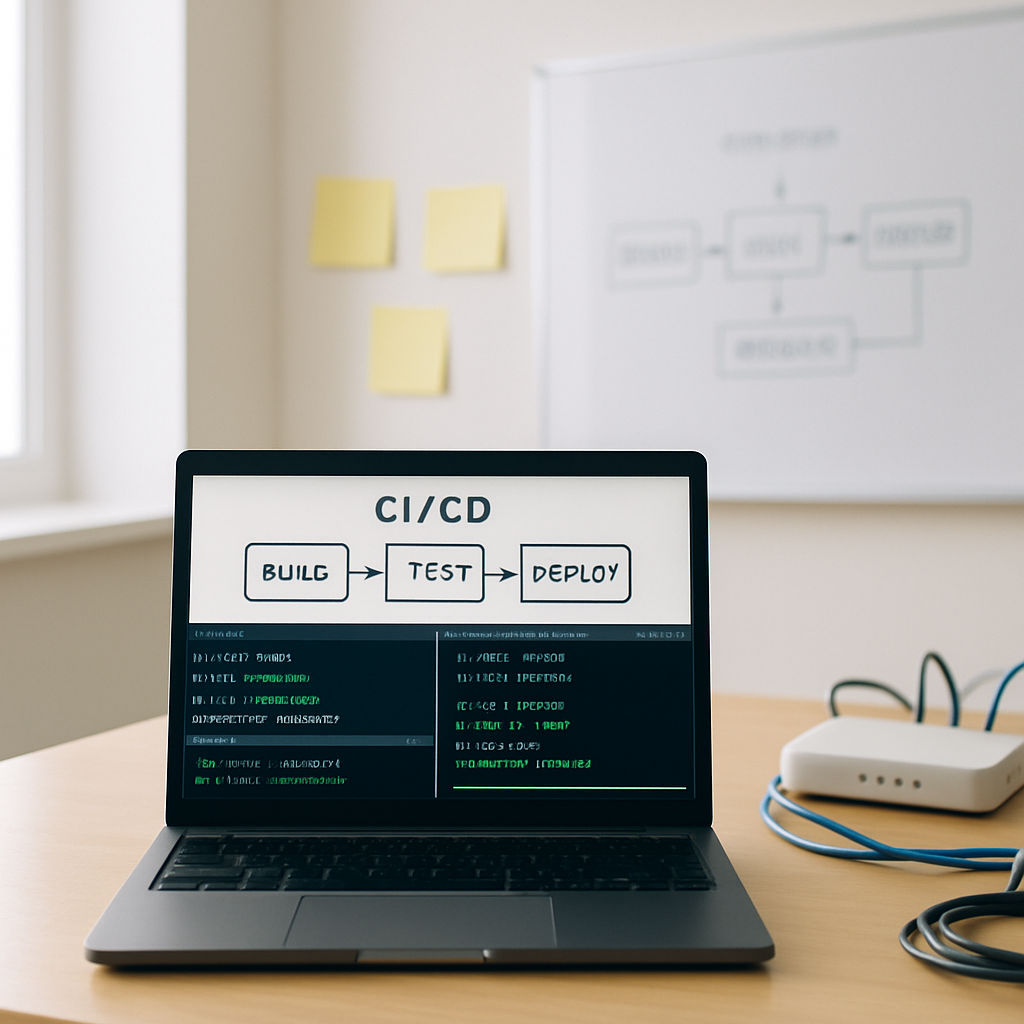
Google's Gemini CLI Fix Sparks CI/CD Pipeline Disruptions
A recent patch for Google's Gemini CLI has sparked disruptions in CI/CD pipelines, ironically caused by a critical infrastructural flaw - not an AI quirk - that allowed remote code execution due to over-permissive workspace trust in headless mode. The fix, while swift, may trip automated pipelines that relied on the old settings.

Google Fixes Critical Gemini CLI Flaw Enabling Remote Code Execution
Google patched a critical flaw in Gemini CLI that allowed hackers to inject malicious code and take control of host systems, thanks to a report from Novee Security. The vulnerability, scoring a perfect 10.0 on the CVSS scale, has been fixed in recent updates to the @google/gemini-cli and google-github-actions/run-gemini-cli packages.

Google Bets Big on Anthropic with Up to $40B Investment
Google is making a bold bet on the future of AI, investing up to $40 billion in Anthropic, a leading AI developer, with an initial $10 billion commitment and a long-term plan to provide massive computing power to fuel innovation. This multibillion-dollar deal highlights the intense competition for AI dominance, where infrastructure and computing capacity are the new currency.

Pentagon Bolsters AI Arsenal with Google's Latest Model
The Pentagon has supercharged its AI capabilities with Google's cutting-edge model, Gemini 3.1 Pro, now available on its enterprise generative-AI platform, GenAI.mil, marking a major milestone in American AI innovation. This powerful tool is set to revolutionize defense operations and will also be accessible to federal government users.
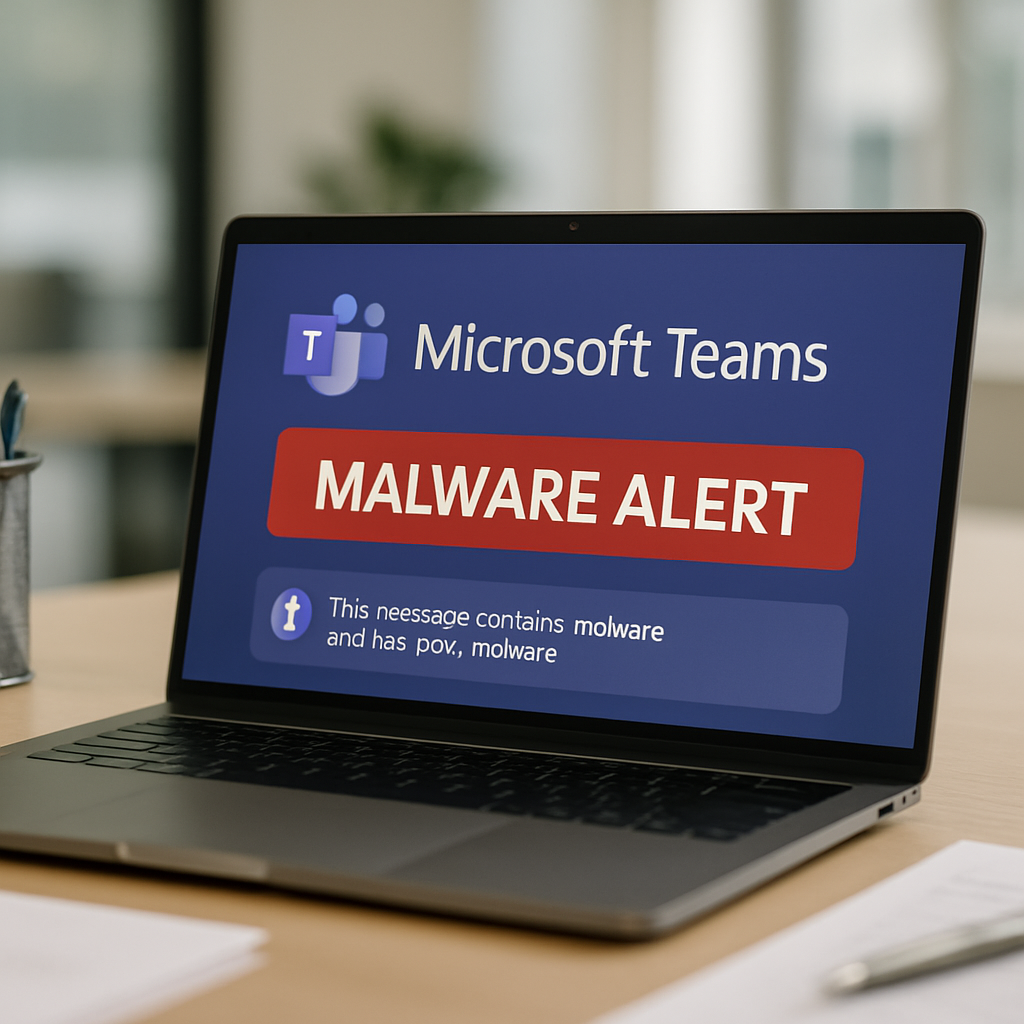
Microsoft Teams Used to Deploy Sophisticated Snow Malware
Cyber attackers have cleverly used Microsoft Teams to deploy a sophisticated malware suite, dubbed Snow, by tricking victims into installing a fake anti-spam patch that ultimately led to prolonged access, credential theft, and domain compromise. They started by creating a sense of urgency through email bombing, then followed up with a direct message on Microsoft Teams.

Google Fixes Antigravity Flaw That Enabled Code Execution
Google's Antigravity tool, designed to streamline coding, had a flaw that allowed hackers to run malicious code - but luckily, the tech giant has patched the vulnerability. This fix prevents cyber threats that could have exploited the tool's file-creation capabilities and lax input sanitization.

Google's Antigravity AI Flaw Exposes Remote Code Risk
Google's top-of-the-line Antigravity AI safeguard can be surprisingly easily tricked into letting its guard down, leaving the door open for attackers to execute remote code. Even with its highest security setting, the AI agent manager's weaknesses can be exploited, putting users at risk.

Protobuf library flaw enables remote JavaScript code execution
A critical flaw in the popular protobuf.js library has been exposed, allowing hackers to execute JavaScript code remotely - and a proof-of-concept exploit has already been published, putting countless systems at risk.

Google Deploys Gemini AI to Combat Malicious Ads
Google is ramping up its ad safety game by leveraging its cutting-edge Gemini AI models to detect and block malicious ads, but scammers are constantly evolving their tactics to stay one step ahead. It's a digital cat-and-mouse game where sophisticated defenses meet adaptive adversaries.

Malicious Chrome Extensions Uncover Massive User Data Theft
Over 100 malicious Chrome extensions were secretly working together to steal user data, hijack online sessions, and inject ads into browsing experiences, all controlled by a single hidden command center. This massive data theft operation highlights the alarming risks of unchecked access to our online lives.

Google Bolsters Pixel Security with Rust-Based DNS Parser Integration
Google is taking a significant step to supercharge Pixel device security by integrating a Rust-based DNS parser into the modem firmware of the Pixel 10, leveraging the power of memory-safe code to fortify its software stack. This strategic move underscores the company's commitment to bolstering device security from the ground up.

Gmail Bolsters Security with Mobile End-to-End Encryption Rollout
Google just supercharged Gmail security with end-to-end encryption now available on all Android and iOS devices, giving enterprise users a seamless way to send and receive secure emails. This rollout promises stronger protections without the need for extra tools.

Phishing Gang Targets Dozens of Corporations in Helpdesk Scam Spree
Beware of the person on the other end of the line - a new phishing gang is impersonating IT helpdesks to scam dozens of major corporations, leaving investigators racing to keep up. Google is sounding the alarm on this latest extortion tactic, which uses clever social engineering to catch victims off guard.

Google Accelerates Post-Quantum Cryptography Migration
Google just made a bold move towards a more secure future, announcing plans to fully transition to post-quantum cryptography by 2029 - but what does this mean for your security planning today? This forward-thinking shift is a great step towards crypto-agility, and experts are already weighing in on its potential impact.

Google Exposes Sophisticated iPhone Hacking Tool Likely Tied to US Government
Imagine a single website visit being all it takes to secretly install malware on your iPhone, bypassing every defense along the way - that's the alarming reality uncovered by Google's security researchers. They've discovered a sophisticated hacking tool, dubbed Coruna, that exploits 23 iOS vulnerabilities to silently compromise devices.