Tag: false positives
8 articles
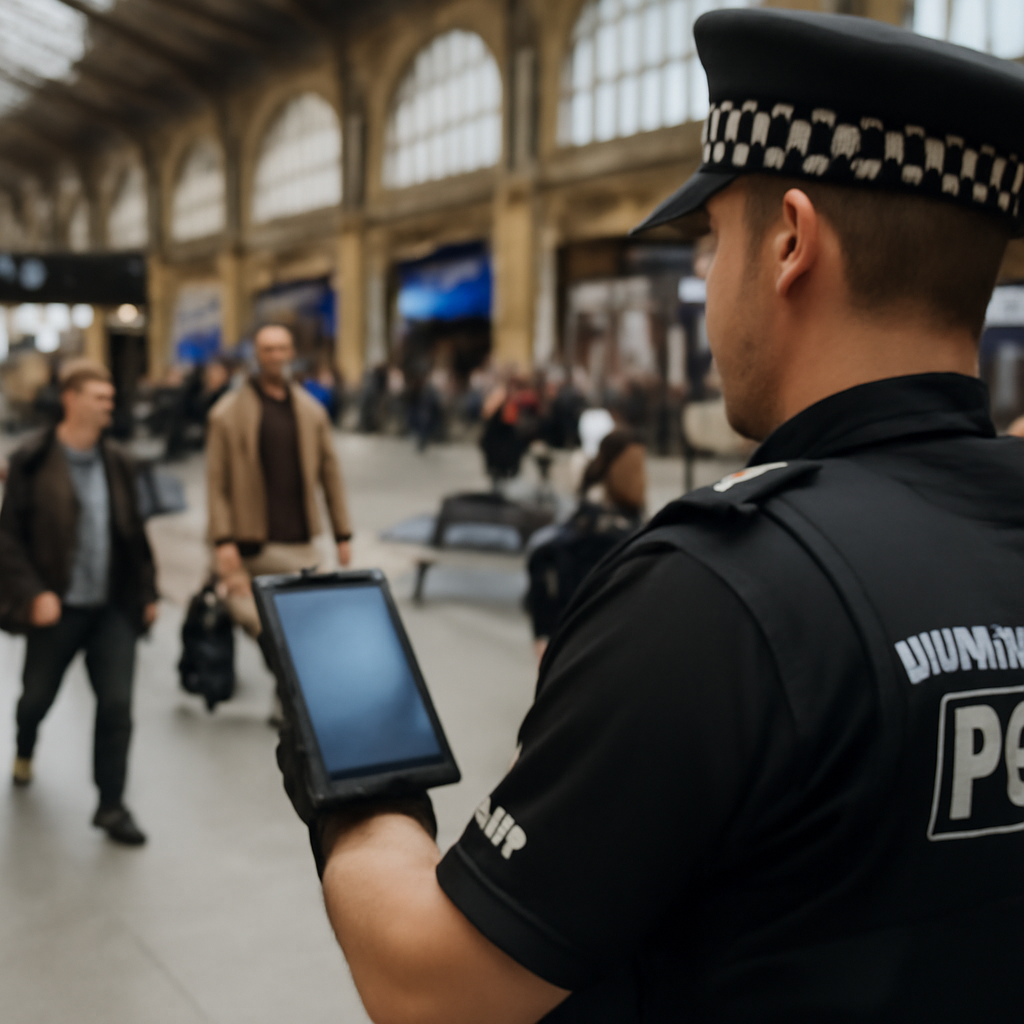
UK Rail Police's Facial Recognition Trial Yields Zero Matches
The UK Rail Police's six-month facial recognition trial was a costly and time-consuming effort that yielded a surprising result: zero matches, despite scanning over 500,000 faces. The £320,000 trial, which took up almost 100 hours of officer time, produced just one false positive alert and no arrests.
Microsoft Fixes Defender Bug Behind False Antivirus Alerts
Microsoft has squashed a bug in its Defender Antivirus software that was causing false alerts saying the protection was turned off, even when it was working properly. The fix is now live in update version 4.18.26080.4, which you can install to get back to worry-free browsing.

Microsoft Defender mistakenly targets Google search links
Microsoft Defender for Office 365's Safe Links feature has mistakenly flagged Google search links as malicious, blocking users from accessing legitimate search results. This faulty security classification is currently preventing users from opening harmless links.
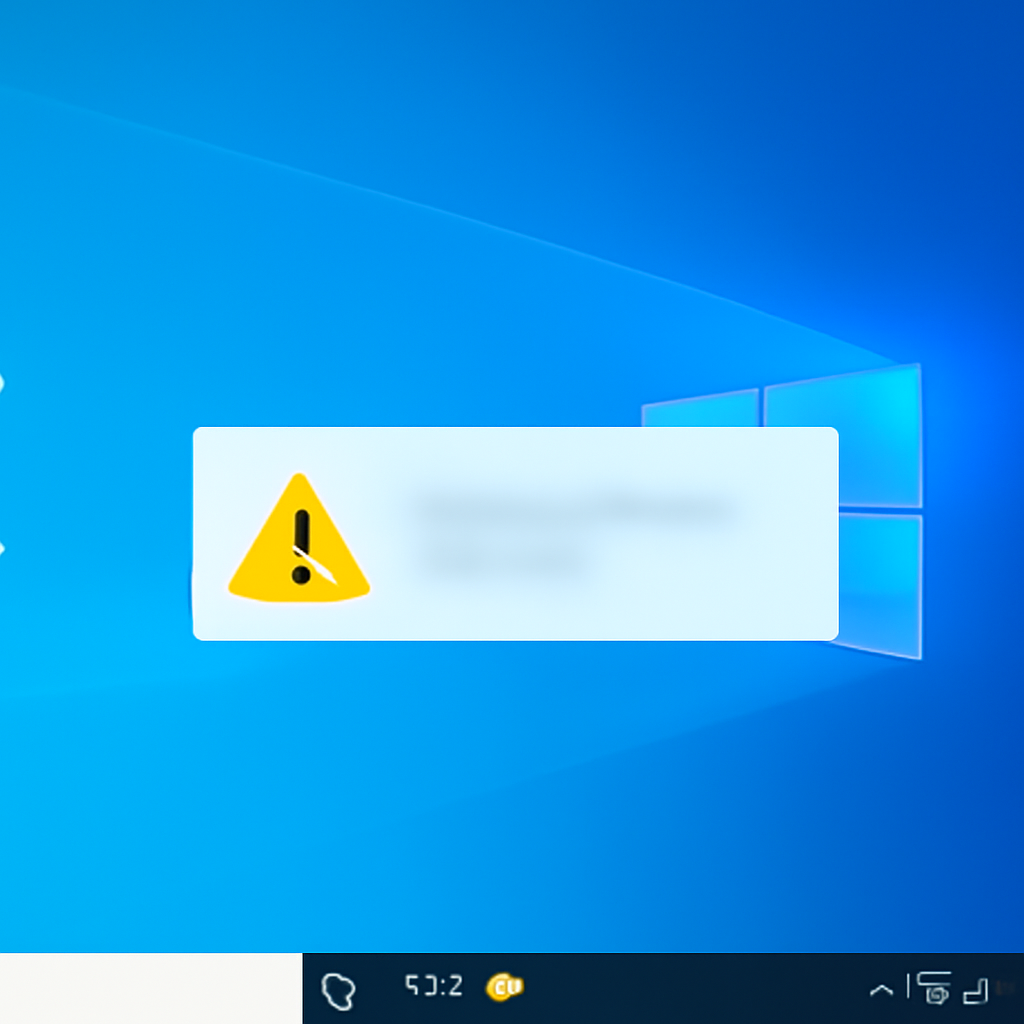
Microsoft Disregards Defender Alerts as False Positives
If you've recently updated Microsoft Defender Antivirus, you might be seeing annoying false alarms claiming it's turned off - but don't worry, it's still working hard to protect you. These pesky alerts are affecting all supported Windows versions, including Windows 11 26H1 and Windows Server 2025.

Confidence in Automated AI Vulnerability Scanning Plummets
Confidence in automated AI vulnerability scanning has taken a nosedive, with a recent survey revealing a dramatic drop from 29% to 9% in organizations relying solely on AI for testing. Instead, nearly half are turning to a hybrid approach, combining AI with human expertise for more reliable results.

Microsoft Defender Flags DigiCert Certificates as Malware in False Positives
Microsoft Defender's recent signature update mistakenly flagged legitimate DigiCert root certificates as malware, causing widespread alerts and removal of the certificates, and even prompting some users to reinstall Windows. DigiCert quickly revoked the affected certificates within 24 hours of discovery, minimizing the impact.

Researchers Warn of Emerging Exploit Threats After AI-Enabled Zero-Day Discovery
BleepingComputer issued a swift correction, retracting a report of a new data breach at Instructure due to reliance on outdated information from a prior incident, and expressed regret for the error. The incorrect story was pulled shortly after publication.

AI Hallucinations Expose Organizations to 'Ghost Breach' Risk
Imagine a scenario where a cutting-edge technology lies to you, and you believe it - leading to a frantic response to a crisis that never existed. AI hallucinations are exposing organizations to a new kind of risk, dubbed "ghost breaches," where fabricated threats trigger real-life emergency responses.