Tag: export control
6 articles

Anthropic Bolsters AI Models with Enhanced Security Guardrails
Anthropic is stepping up its AI security game with enhanced guardrails, but acknowledges a trade-off: its new classifier may flag more harmless requests during everyday coding and debugging tasks. The company is moving forward with redeploying its advanced models, Claude Mythos 5 and Claude Fable 5, starting July 1.

Australia's AI Vulnerability Exposes Limits of Global Interdependence
In a stunning move, Anthropic was forced to disable access to its cutting-edge AI models, Claude Fable 5 and Mythos 5, globally just days after their release, due to a US export-control directive. This swift decision highlights the fragile nature of global access to advanced technologies.

US Gov Directive Disrupts Access to Anthropic's AI Models
The US government has issued a directive that restricts access to Anthropic's most advanced AI models, Fable 5 and Mythos 5, citing national security concerns, forcing the company to suspend these models worldwide. This move affects not only foreign users but also Anthropic's own foreign-national employees, and has significant implications for the future of AI development and access.

US Orders Anthropic to Curtail AI Model Access
Anthropic has been ordered by the US government to restrict access to its advanced AI models, Claude Fable 5 and Mythos 5, for foreign nationals, and will abruptly disable them to comply. This move comes after the company received a directive to suspend all access to the models by users outside the US.

Pakistan's Anza MANPADS Family Evolves with Indigenous Upgrades
Pakistan's Anza MANPADS family has come a long way, with over 4,000 missiles produced, making it one of the country's most successful indigenous munitions programs. Developed by Kahuta Research Laboratories with a boost from Chinese cooperation, the Anza family has evolved to meet Pakistan's air defence needs.
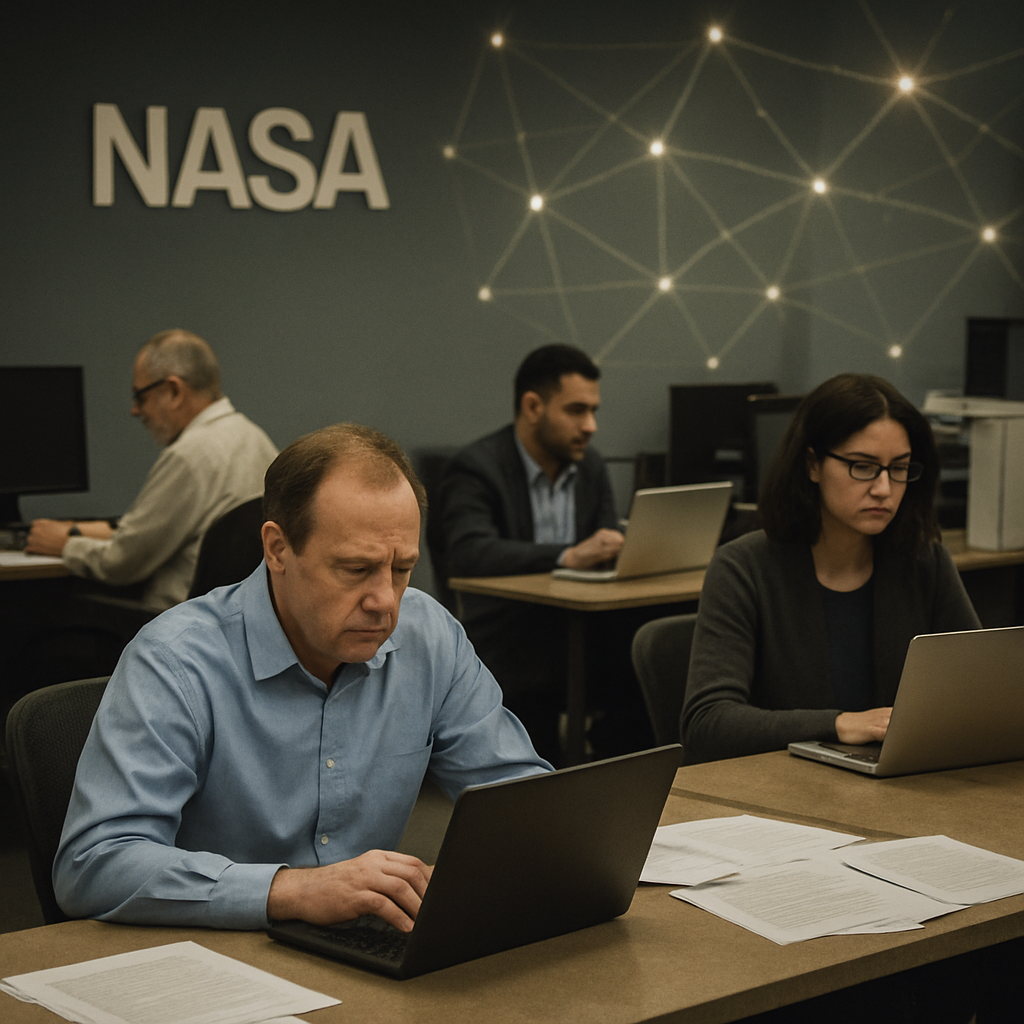
NASA Targeted in Chinese Phishing Scheme for U.S. Defense Software
For years, unsuspecting NASA employees and collaborators were duped into sharing sensitive US defense software with a Chinese national masquerading as a colleague, in a brazen phishing scheme that went undetected for years. The scam funneled top-secret aerospace and defense tech to the imposter, violating US export control laws in the process.