Tag: credentialharvesting
36 articles

Kimwolf Botnet: Exclusive Warning on Dangerous Local Threat
The Kimwolf botnet is quietly hijacking routers and management consoles to turn whole local networks into persistent, hard-to-detect attack platforms. If you haven’t checked firmware, disabled remote admin, or changed default credentials lately, now’s the time—this is an active, targeted campaign.

New Android Albiriox Malware Exclusive: Dangerous Surge
Albiriox malware is being sold like a subscription, turning smartphones into turnkey crime tools that give even novice operators remote takeover, credential harvesting, and live‑fraud capabilities. That MaaS model lowers the bar for attackers and creates an industrialized path from infection to immediate theft that security teams and users now must reckon with.

ClickFix Phishing Exclusive: Critical Hotel Malware Alert
Imagine a routine support ticket that silently installs malware—attackers are using ClickFix‑style pages sent from compromised hotel emails to steal credentials or drop remote‑access tools like PureRAT. Be cautious: don’t paste commands or log in from unexpected support links—verify the sender and the page first.

Gootloader malware: Exclusive alert on Dangerous Ransomware
Gootloader malware is back — a JavaScript loader that can turn a single click into a full domain takeover in roughly 17 hours. Learn how its stealthy delivery and lightning-fast lateral movement make fast, modern defenses essential.

Iran’s MuddyWater Exclusive: Alarming Breach Hits 100+ Govt
Using one compromised mailbox and a rented VPN, MuddyWater quietly slipped into over 100 government networks across the Middle East and North Africa; its a sobering reminder that cheap, old-school tradecraft—phishing, account takeovers, and credential theft—still outsmarts defenders chasing flashy exploits.

TP-Link VPN Routers: Exclusive Critical Flaws Exposed
Think your TP‑Link VPN router is protecting your network? New Forescout research reveals critical flaws that can let attackers intercept traffic and maintain persistent access—update firmware, disable WAN management, and change default credentials now.

ToolShell Gains Traction as Public App Exploits Surge
When did a routine update become a battleground? ToolShell has quietly moved from niche reconnaissance to a go‑to exploit chain that turns public apps into launchpads for credential theft, lateral movement and ransomware — a wake‑up call that exposed services and slow patching can let attackers topple whole networks.

Iran-linked MuddyWater Breach Hits 100+ Government Networks
How did one compromised mailbox become a battering ram against more than 100 government networks? Researchers say Iran-linked MuddyWater used a hijacked account and its own VPN to send convincing phishing across the Middle East and North Africa, quietly stealing credentials and siphoning sensitive intelligence — a reminder that simple, trusted tools can inflict huge damage.

Self-Replicating Worm Infiltrates 180+ Software Packages
The packages you trust might be betraying you: researchers found a self‑replicating worm in 187+ NPM modules that steals developer tokens, posts them publicly, and uses those leaked credentials to replicate—turning routine installs into a spreading infection.

NoRobot malware: Exclusive Dangerous Threat
When LostKeys was exposed this spring, Coldriver didn’t fold — they reinvented, rolling out a lean, modular strain called NoRobot that sneaks past signatures, steals credentials, and blends into normal traffic. Defenders now need behavior-based detection, stronger identity controls like MFA, and faster threat-sharing to keep up with this smarter, stealthier pivot.

three new malware families: Exclusive Critical Threat
Heads-up: Google TAG says Russia-linked COLDRIVER has churned out three new malware families and is retooling them within days—an accelerated development pace that makes signature-based defenses brittle and raises the urgency for MFA, behavior-based EDR, and proactive threat hunting.

phishing emails: Urgent Warning—Must-Have Best Tips
Don’t panic — LastPass says it wasn’t hacked; those alarming emails are a phishing scam. Pause, verify updates through the official app or website, and report any suspicious messages.

Payroll Pirate Crew: Exclusive Risky Threat to Campuses
Microsoft warns a cybercriminal group dubbed the Payroll Pirate Crew is targeting U.S. universities with phishing attacks that hijack HR systems to quietly reroute paychecks, leaving staff suddenly unpaid and campuses scrambling. Universities should tighten MFA, limit admin privileges, and require out‑of‑band verification for bank‑detail changes to protect employees and reputations.

malicious npm packages: Stunning Critical Threat Revealed
Researchers uncovered Beamglea — 175 malicious npm packages downloaded about 26,000 times — that quietly hosted credential‑harvesting phishing campaigns against 135+ organizations, a stark reminder that the convenience of open-source packages can become a gateway for large‑scale theft.

NET malware Dangerous: Exclusive Phantom Taurus Threat
A Beijing-linked group dubbed Phantom Taurus is quietly using custom .NET malware to hunt credentials and siphon sensitive files from government web servers across Asia, Africa and the Middle East — a sharp reminder that everyday frameworks can hide serious threats. Defenders should harden .NET apps, tighten logging and MFA, and share indicators fast to turn the tables before secrets slip away.

Vietnam-linked phishing campaign: Dangerous, Stunning Shift
A Vietnam-linked phishing campaign has quietly upgraded from a Python infostealer to PureRAT, turning quick credential grabs into hands-on, persistent intrusions that can enable live data theft and lateral movement. Defenders should shift from signature hunting to behavior-based EDR, network telemetry, and stronger email and access controls to stop these more dangerous, interactive attacks.

Nimbus Manticore: Exclusive Risky Supply-Chain Threat
A stealthy, Iran-linked cyber actor called Nimbus Manticore is quietly shifting from remote spying to targeting European aerospace, telecom and defense suppliers — and its patient, surgical intrusions threaten intellectual property, supply chains and national security unless industry and governments boost defenses and share threats quickly.
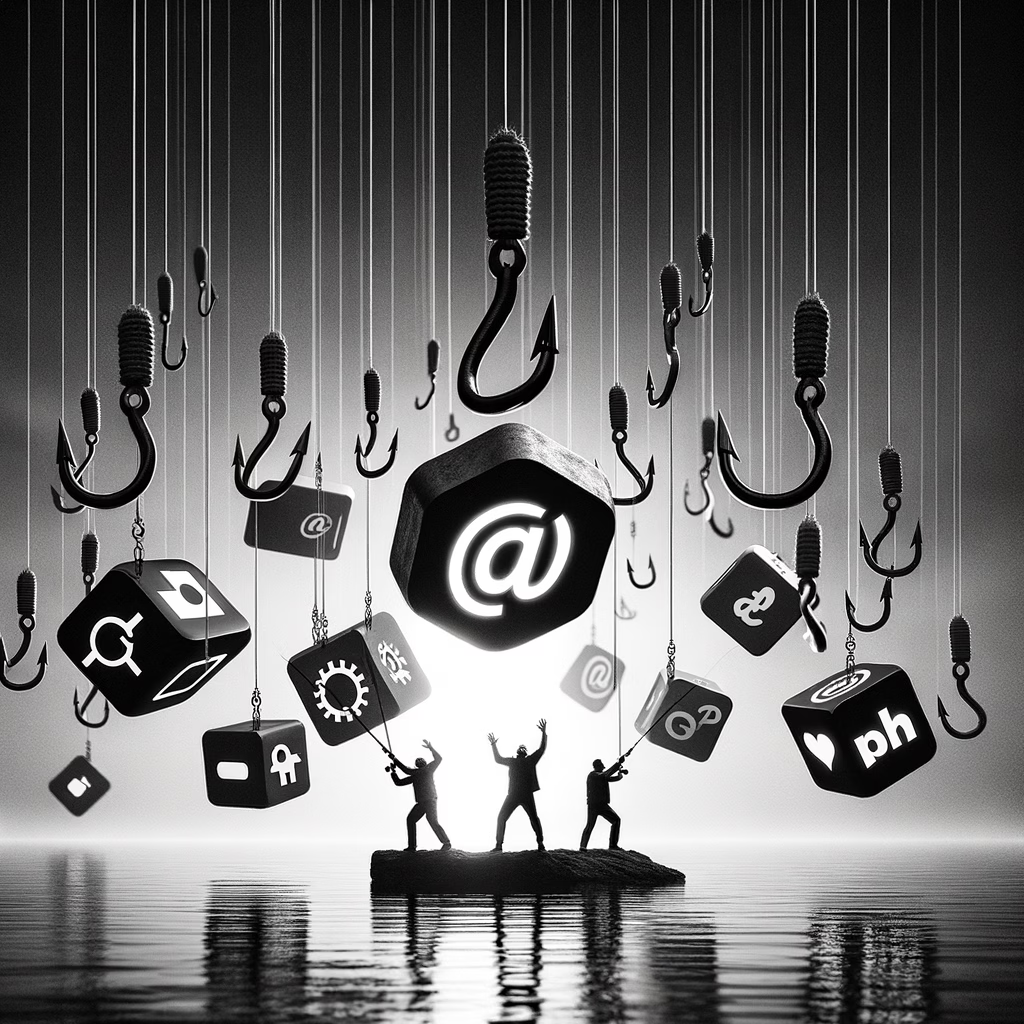
phishing-as-a-service: Stunning Risky Surge
Phishing-as-a-service has exploded into a business — Netcraft found over 17,500 phishing domains spoofing 316 brands — turning credential theft into an off‑the‑shelf operation. Security teams and policymakers must act fast: harden authentication, automate detection, and disrupt the cross‑border plumbing that powers these disposable scams.

fake CAPTCHA pages: Exclusive Dangerous AI Phishing Threat
Think twice before clicking that checkbox — attackers are using AI to spin up lifelike fake CAPTCHAs that harvest credentials and turn a trusted security step into an easy phishing trap.

RaccoonO365 Disrupted: Critical, Must-Have Security Win
Microsoft just dismantled RaccoonO365, seizing 338 fake login sites that had harvested at least 5,000 Microsoft credentials — a big win that cuts off a major phishing operation and a wake-up call to harden your accounts.
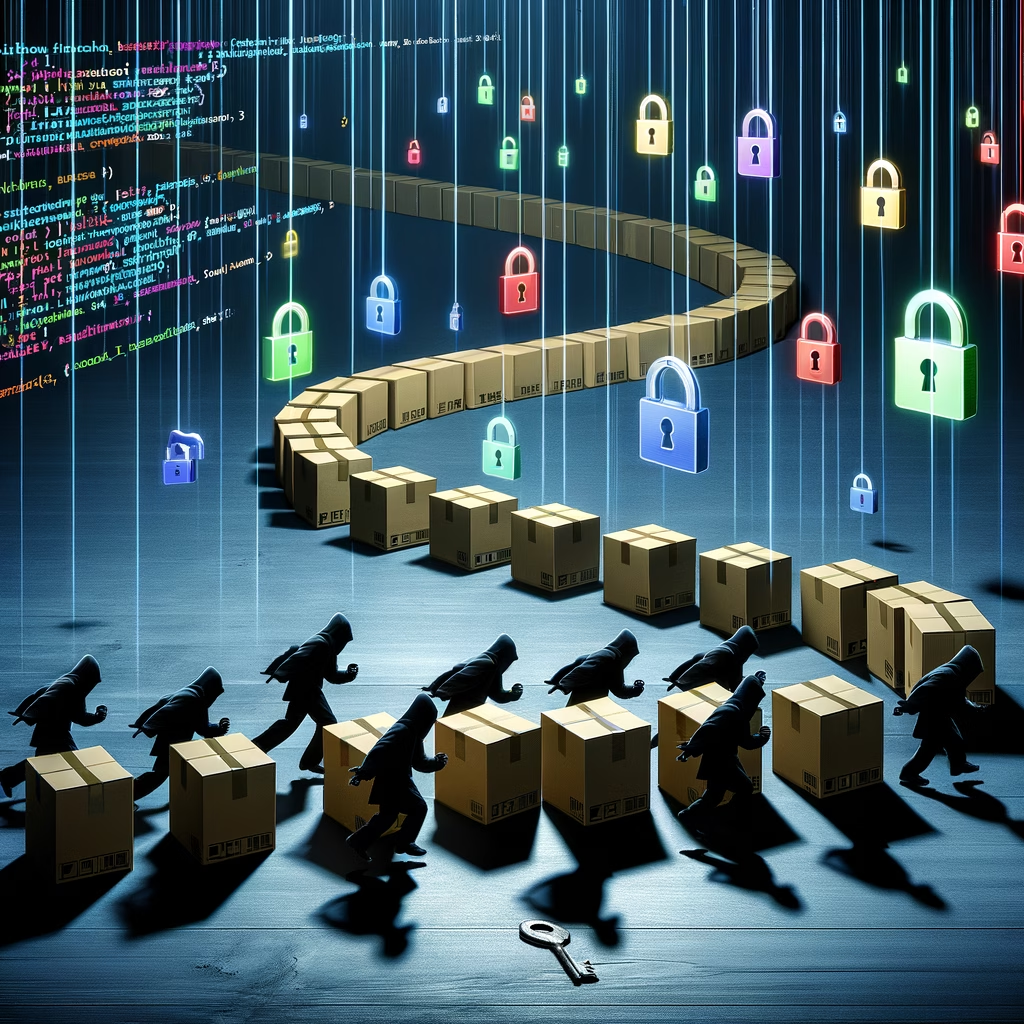
malicious bundlejs: Stunning Devastating npm Alert
Over 40 npm packages were quietly republished with an injected bundle.js that steals credentials, turning trusted modules into stealthy supply‑chain lures. Lock down maintainer accounts, enable MFA and artifact signing, and scan for unexpected postinstall scripts to stop this kind of attack.

phishing-as-a-service: Stunning Risky Threat
Think a thief who never touches the lock — VoidProxy is a phishing-as-a-service that intercepts live logins, relays MFA and session tokens in real time, and lets attackers quietly hijack Microsoft and Google accounts. Learn why layered defenses, hardware-backed keys, and session risk detection are now essential to stop these fast, stealthy takeovers.
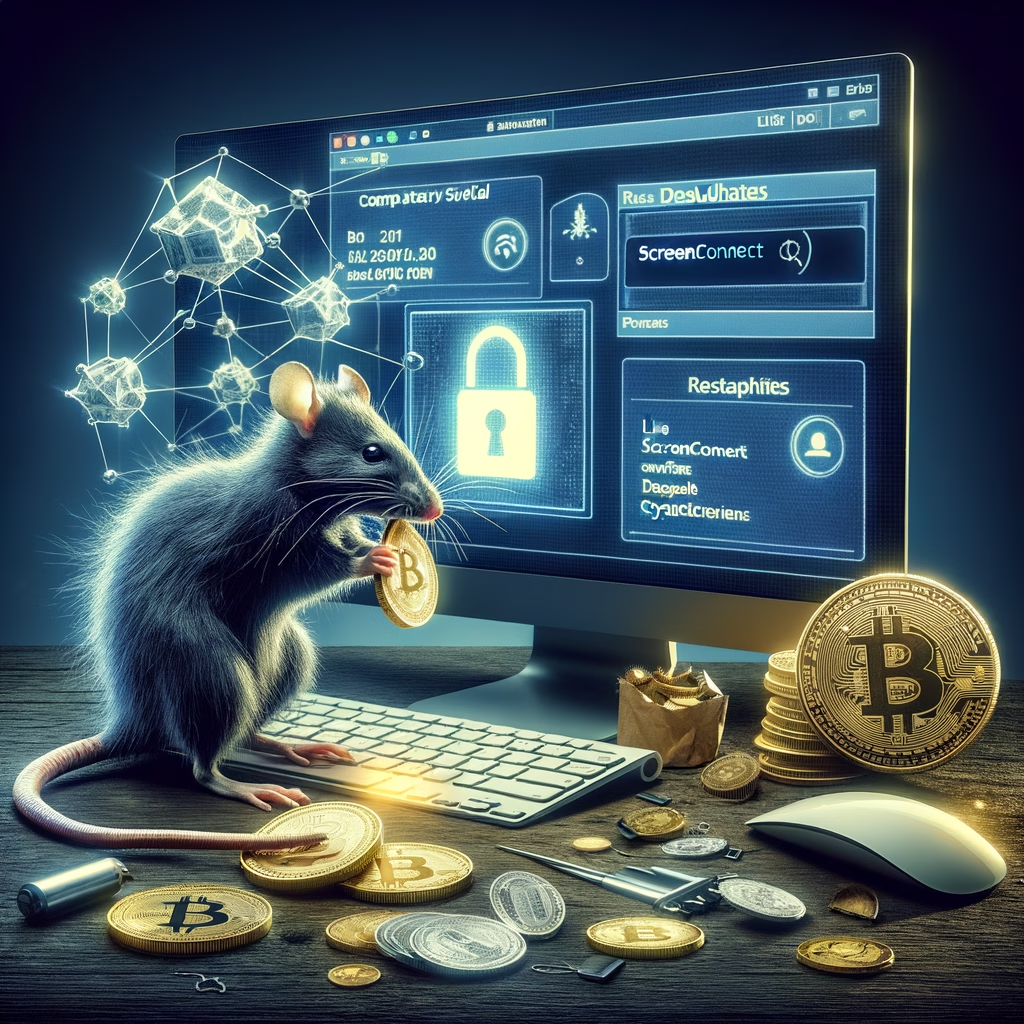
ConnectWise ScreenConnect Risky Exploit: Stunning AsyncRAT
Imagine your trusted remote-admin tool becoming the very doorway attackers use to steal credentials and siphon crypto—researchers found ConnectWise ScreenConnect sessions abused to run a fleshless, in-memory VBScript loader that dropped AsyncRAT to harvest keys, keystrokes, and wallets. Harden RMM access, monitor session scripts, and assume compromise—because when legitimate tooling is weaponized, detection needs to get smarter fast.

npm packages Must-Have Defense Against Risky Attacks
Attackers briefly pushed trojanized npm releases that spread fast through the cloud, mined only pennies, and left security teams scrambling to contain and remediate. It’s a wake‑up call: package convenience comes with real supply‑chain risk, so tighten controls, pin dependencies, and treat dependencies as first‑class security assets.