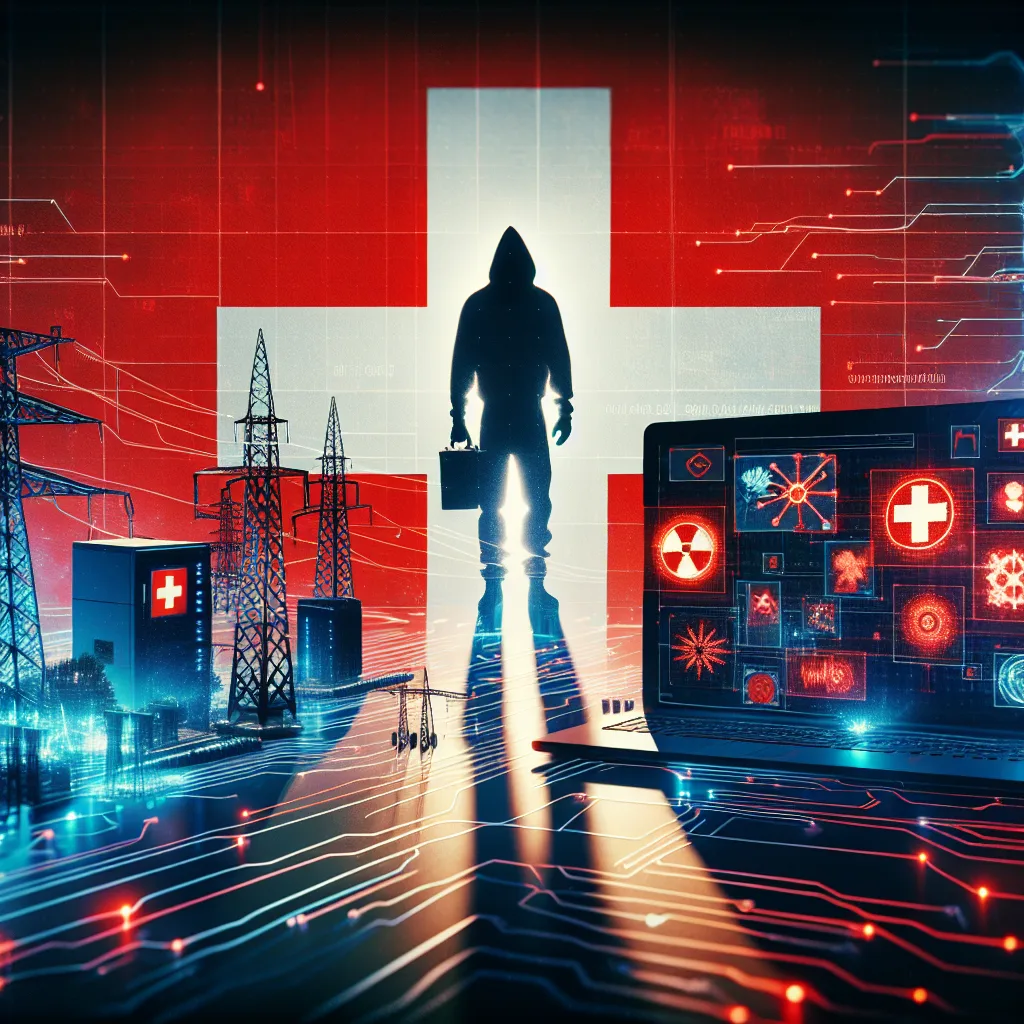
Analysis of Switzerland’s Cyber Attack Reporting Requirements for Critical Infrastructure
Introduction
In a significant move to bolster national cybersecurity, Switzerland has mandated that critical infrastructure organizations report cyber-attacks to authorities within 24 hours of discovery, effective April 2025. This policy aims to enhance the country’s resilience against cyber threats, particularly as the frequency and sophistication of such attacks continue to rise globally. This report provides a comprehensive analysis of the implications of this new requirement across various domains, including security, economic, military, diplomatic, and technological factors.
Security Implications
The requirement for timely reporting of cyber incidents is a proactive measure aimed at improving the overall security posture of Switzerland’s critical infrastructure. By mandating rapid reporting, the Swiss government seeks to:
- Enhance Threat Detection: Quick reporting can facilitate faster identification of attack patterns and emerging threats, allowing for more effective countermeasures.
- Improve Incident Response: With timely information, authorities can coordinate responses more efficiently, potentially mitigating the impact of attacks.
- Foster Collaboration: The requirement encourages collaboration between private sector entities and government agencies, leading to a more unified defense strategy.
Historically, countries that have implemented similar reporting requirements have seen improvements in their cybersecurity frameworks. For instance, the United States has established the Cybersecurity Information Sharing Act (CISA), which promotes information sharing between the government and private sector, resulting in enhanced situational awareness and threat intelligence.
Economic Impact
The economic implications of this reporting requirement are multifaceted. On one hand, it may lead to increased operational costs for organizations that must invest in cybersecurity measures to comply with the new regulations. On the other hand, it could stimulate growth in the cybersecurity sector as companies seek solutions to meet compliance standards.
- Increased Compliance Costs: Organizations may need to allocate resources for training, technology upgrades, and incident response planning to ensure they can meet the 24-hour reporting requirement.
- Growth in Cybersecurity Sector: The demand for cybersecurity services and products is likely to rise, benefiting local cybersecurity firms and potentially attracting foreign investment.
- Insurance Implications: As organizations report incidents more transparently, insurance companies may adjust their policies and premiums based on the perceived risk, influencing the overall market.
According to a report by Cybersecurity Ventures, global spending on cybersecurity is expected to exceed $1 trillion from 2021 to 2025, indicating a robust market that Switzerland’s new policy could further stimulate.
Military and Geopolitical Considerations
From a military and geopolitical perspective, the new reporting requirement aligns with broader national security strategies. Cybersecurity is increasingly recognized as a critical component of national defense, and Switzerland’s proactive stance may enhance its position in international security discussions.
- Strengthening National Defense: By improving the cybersecurity of critical infrastructure, Switzerland can better protect its military assets and maintain operational readiness.
- International Cooperation: The policy may facilitate greater collaboration with NATO and EU partners, as shared intelligence on cyber threats can enhance collective security efforts.
- Deterrence Against Adversaries: A robust reporting framework may deter potential cyber adversaries by signaling that Switzerland is serious about its cybersecurity posture.
Historically, nations that have prioritized cybersecurity have been better positioned to defend against state-sponsored cyber threats, which are increasingly common in the current geopolitical landscape.
Diplomatic Factors
The implementation of a mandatory reporting framework for cyber incidents may also have diplomatic ramifications. Switzerland’s commitment to transparency in cybersecurity could enhance its reputation as a responsible actor in international relations.
- Building Trust: By openly reporting cyber incidents, Switzerland can build trust with other nations, fostering a collaborative approach to global cybersecurity challenges.
- Influencing International Norms: Switzerland’s policy may serve as a model for other countries, potentially influencing international norms and standards for cybersecurity reporting.
- Engagement in Global Dialogues: The policy positions Switzerland to engage more actively in global cybersecurity dialogues, contributing to the development of international frameworks and agreements.
Technological Considerations
The technological landscape will also be affected by the new reporting requirements. Organizations will need to adopt advanced technologies to detect, respond to, and report cyber incidents effectively.
- Investment in Cybersecurity Technologies: Companies may need to invest in advanced threat detection systems, incident response tools, and reporting mechanisms to comply with the new regulations.
- Adoption of Best Practices: The requirement may encourage organizations to adopt industry best practices and frameworks, such as the NIST Cybersecurity Framework or ISO/IEC 27001, to enhance their cybersecurity posture.
- Innovation in Cybersecurity Solutions: The demand for innovative cybersecurity solutions is likely to increase, driving research and development in areas such as artificial intelligence, machine learning, and automation.
Conclusion
Switzerland’s decision to require the reporting of cyber-attacks on critical infrastructure within 24 hours represents a significant step towards enhancing national cybersecurity. While the policy may impose new compliance costs on organizations, it also presents opportunities for growth in the cybersecurity sector and strengthens the country’s overall security posture. By fostering collaboration between the public and private sectors, Switzerland can better prepare for the evolving landscape of cyber threats. As the implementation date approaches, stakeholders across various domains must work together to ensure a smooth transition and effective compliance with the new requirements.



