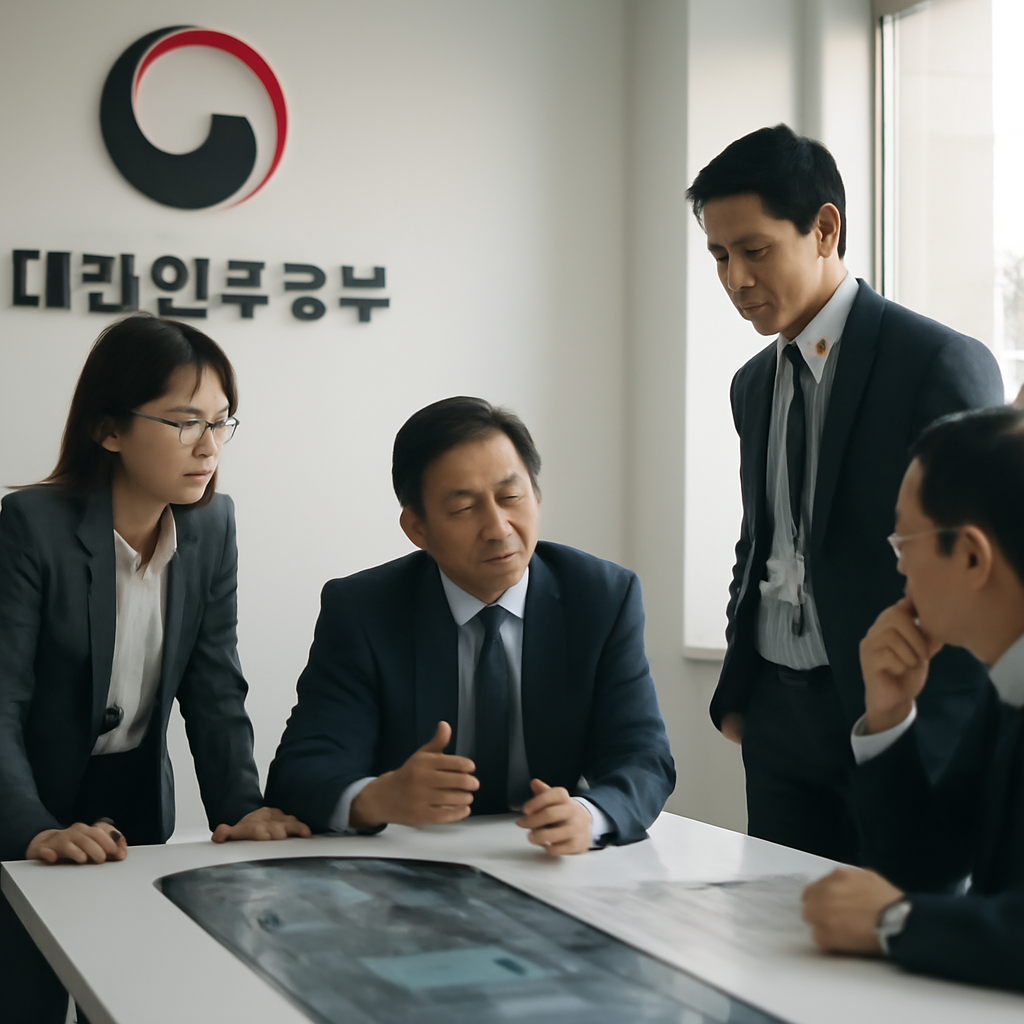
“Circumstances indicate that artificial intelligence was utilized, causing great concern and anxiety among the public,” South Korean president Lee Jae Myung told the nation’s cabinet yesterday.
Lee Jae Myung’s directive to build AI-powered defensive tools
In a public cabinet address yesterday, President Lee framed recent data-exposure incidents at financial and public institutions as likely involving artificial intelligence and called for a decisive, government-led response. He requested that “the relevant authorities swiftly and clearly identify the circumstances of these incidents, and rapidly deploy and concentrate the necessary personnel and resources to minimize damage.”
Lee made clear he expects a step change: he urged the government to “build security capabilities that can detect attacks in advance and preemptively block them,” to “quickly inspect the security systems across the entire national core infrastructure, as well as the private sector,” and to “immediately implement any necessary security measures.” He also urged acceleration of “the development and distribution of AI technologies specifically tailored for cybersecurity.”
Incidents Lee cited: Coupang breach and local-bank raid
The president’s remarks pointed to a recent string of leaks and raids. The address likely referenced a breach at e-tailer Coupang and “last week’s raid on local banks that exposed customer data,” according to the reporting. Those events form the immediate backdrop to Lee’s call for new defensive capabilities and wider inspections of core infrastructure and private-sector systems.

The cyber insurance questionnaire just landed. Now what?
SOC 2, HIPAA, insurance renewals - someone has to own security strategy. Nubivance provides fractional CISO leadership without the full-time salary.
Get a security leadSpecific actions Lee demanded of ministries and agencies
Lee’s list of expectations for ministries and agencies was broad and operational. He asked them to:
- Swiftly and clearly determine the circumstances of the personal-information incidents;
- Rapidly deploy and concentrate personnel and resources to minimize damage;
- Build capabilities to detect attacks in advance and preemptively block them;
- Inspect security systems across the national core infrastructure and the private sector;
- Immediately implement any necessary security measures;
- Accelerate development and distribution of AI technologies tailored for cybersecurity;
- Collaborate across public and private sectors to “transform our technology, systems, and awareness” and “completely innovate our society's security paradigm to fit the AI era.”
Those directives amount to a major, public policy statement: implementation now rests with ministers and private companies, which the president singled out as necessary partners.
How South Korean ministers, tech giants, and the public must respond
- South Korean ministers: They have been ordered to conduct rapid, system-wide inspections of security across core infrastructure and private-sector providers, to identify root causes of the recent leaks, and to allocate personnel and resources to reduce harm. The president’s language makes these government-led audits and mitigation efforts a near-term priority.
- Tech giants: Lee explicitly invited private-sector collaboration to develop and distribute AI cybersecurity tools. Tech companies will be expected to open their systems to inspection, align product roadmaps with government priorities, and participate in cross-sector initiatives to “transform ... technology, systems, and awareness.”
- The public: The president framed the incidents as causing “great concern and anxiety among the public” and positioned rapid identification, mitigation, and visible improvements in defensive tooling as the response measures intended to restore public confidence.
The president’s demands are sweeping. The reporting notes the complexity of turning such a broad directive into reality — especially given “the fact that nobody thinks it's possible to defeat cybercrime.”
Parallel developments in Australia: OpenAI CSO Jason Kwon and a copyright debate
On the same day, Australian politicians questioned OpenAI Chief Strategy Officer Jason Kwon about how company agents accessed a government medical records website. Kwon admitted OpenAI “should have done better than emailing the abuse reporting email address at the relevant Australian government agency” but defended his company’s efforts to learn from the Hugging Face incident.
The parliamentary committee will sit for another two days this week. One agenda item is whether Australia should modify copyright law to require AI companies to pay content creators whose works are used to train models. The reporting notes Australian law lacks a fair use provision like those relied upon in the United States. Creators fear a rumored opt-in payments scheme would be too weak, while Australia’s government fears it could miss out on “big datacenter investments and access to onshore frontier models” if copyright rules are not made more AI-friendly.
President Lee’s statements set a public and high-expectation tone: ministries and private firms have been tasked with rapid inspections, new defensive tooling, and a societal shift in security posture. Whether those words translate into coordinated, measurable programs — and whether such programs can meet the scale of the challenge described by Lee and by the reporting — is the practical question now facing South Korea’s public and private sectors.